
Introduction
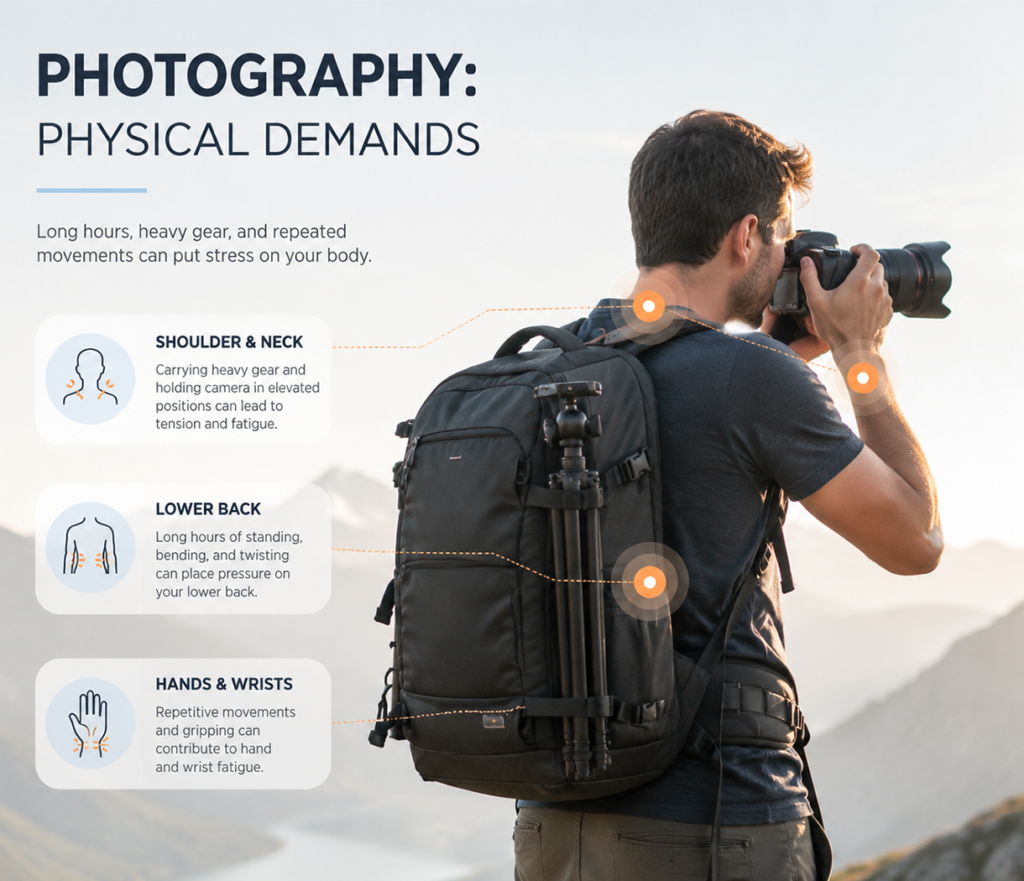
Photography is often recognized as a creative profession, but the physical demands behind capturing high-quality images are frequently overlooked. Professional photographers and photography enthusiasts may spend several hours carrying cameras, lenses, tripods, and equipment bags while maintaining fixed positions during long shooting sessions. These repetitive activities can place physical stress on areas such as the shoulders, neck, wrists, and lower back. CO₂ cryotherapy, also known as localized carbon dioxide cryotherapy, has become an increasingly discussed approach for individuals seeking targeted cold therapy support. By using controlled carbon dioxide cooling on specific areas, this technology is commonly explored as part of personal recovery and wellness routines. For photographers who experience daily physical demands from equipment handling and extended shooting positions, localized CO₂ cryotherapy may provide an additional option to support muscle comfort and maintain an active lifestyle.
1. Understanding the Physical Demands of Professional Photography
Photography requires creativity, technical skills, and physical endurance. While photographers focus on lighting, composition, and timing, their bodies often experience continuous physical challenges during long assignments. Understanding these demands helps explain why recovery strategies such as CO₂ cryotherapy are gaining attention among professionals who rely on their bodies to perform consistently.
1.1 Shoulder and Neck Stress From Carrying Heavy Camera Equipment
Professional photography equipment can become physically demanding during long shooting sessions. Camera bodies, multiple lenses, flashes, batteries, and accessories can create additional weight that photographers carry for several hours.
The shoulder and neck regions contain complex structures, including muscles, tendons, ligaments, and connective tissues that support movement and stability. Carrying equipment on one side of the body or holding cameras in elevated positions for extended periods may contribute to muscle fatigue and tension.
The trapezius muscles, deltoid muscles, and surrounding shoulder tissues are commonly involved during camera handling. Maintaining proper posture and incorporating recovery practices can help photographers manage the physical requirements of their profession.
CO₂ cryotherapy focuses on localized cooling, which may influence physiological responses related to circulation and nerve signaling. Many active professionals explore targeted cold therapy as part of their wellness routines to support comfort in areas affected by repetitive physical activity.
1.2 Lower Back Pressure During Long Photography Sessions
Photographers frequently change positions to capture different perspectives. Wedding photography, outdoor photography, sports photography, and commercial shoots often require standing, bending, squatting, and kneeling for extended periods.
The lumbar region plays an important role in posture control and movement support. Carrying equipment bags while repeatedly adjusting body positions may increase physical demands on lower back muscles and surrounding soft tissues.
Long periods of standing can also contribute to feelings of stiffness, especially when photographers remain in similar positions while waiting for important moments.
Localized CO₂ cryotherapy provides a targeted approach that allows users to focus on specific areas affected by daily activities. Many individuals combine cold therapy routines with stretching, mobility exercises, and healthy movement habits to support overall physical comfort.
1.3 Hand and Wrist Fatigue From Camera Operation
Photographers depend on precise hand movements to control camera settings, adjust focus, change lenses, and capture images at the right moment. These actions require continuous coordination between the fingers, wrists, and forearm muscles.
The wrist contains multiple tendons, small joints, and soft tissues that support detailed movements. During long photography sessions, repetitive camera handling may contribute to feelings of hand fatigue and reduced comfort.
CO₂ cryotherapy allows users to focus cooling on specific areas rather than applying cold exposure to the entire body. This localized approach makes it suitable for individuals who want targeted support after activities involving repeated hand movements.
2. How CO₂ Cryotherapy Works for Targeted Cold Therapy Support
CO₂ cryotherapy uses controlled carbon dioxide cooling to rapidly lower the temperature of a targeted area. Unlike traditional ice-based methods, localized CO₂ cryotherapy delivers a dry cooling process without direct contact with ice or water.
Understanding the science behind this technology helps photographers recognize how localized cold applications may fit into a broader recovery routine after physically demanding work.
2.1 The Role of Cold Stimulation in the Body’s Natural Response
When the skin is exposed to controlled cold stimulation, the body responds through several natural physiological processes. Cold exposure may influence blood vessel activity, nerve signaling, and the local tissue environment.
CO₂ cryotherapy creates a temporary cooling effect that encourages the body’s natural adaptation mechanisms. This process is one reason why localized cold therapy has gained attention among athletes, active professionals, and individuals who regularly experience physical stress.
For photographers, this targeted approach can be useful after long shooting sessions when certain areas experience repeated pressure from equipment carrying, posture maintenance, and movement demands.
2.2 CO₂ Cryotherapy and Muscle Comfort After Physical Activity
Muscle comfort is an important consideration for professionals who depend on physical performance. Photographers often work under demanding conditions, including outdoor environments, long events, and extended periods of movement.
Localized CO₂ cryotherapy is commonly explored as a supportive option for maintaining comfort in areas such as:
- shoulders
- lower back
- arms
- wrists
- legs
The rapid cooling process allows users to focus on specific areas without requiring whole-body exposure. This makes localized cryotherapy a convenient option for professionals with busy schedules.
2.3 Why Localized Cryotherapy Fits Photography Professionals
Photography schedules are often unpredictable. A wedding photographer may work for an entire day, while a commercial photographer may spend hours preparing equipment and adjusting positions during a shoot.
Because of these demands, many professionals prefer recovery approaches that are simple and time-efficient.
Localized CO₂ cryotherapy can be incorporated into personal wellness routines without requiring major changes to daily schedules. This flexibility makes it appealing for photographers who need practical solutions that match their active work environments.
3. Common Photography Situations Where CO₂ Cryotherapy May Support Physical Comfort
Photography involves different working environments, and each situation creates unique physical demands. From outdoor landscapes to fast-paced events, photographers often need to adapt their bodies to different positions, equipment loads, and working conditions.
Localized CO₂ cryotherapy can be considered as part of a broader self-care approach for photographers who want to support comfort after physically demanding assignments.
3.1 Wedding Photography and Long Event Coverage
Wedding photographers often spend many hours moving between locations, carrying equipment, and capturing important moments from different angles.
Unlike studio photography, wedding photography requires constant movement. Photographers may walk for extended periods, hold cameras for long durations, and frequently transition between standing, crouching, and bending positions.
These repeated movements can place physical demands on the shoulders, back, legs, and wrists. Incorporating recovery strategies after long event days can help photographers maintain comfort and prepare for future assignments.
CO₂ cryotherapy offers a localized cooling approach that photographers may explore for areas exposed to repetitive stress. The ability to focus on specific regions makes it suitable for professionals who experience physical fatigue after extended shooting schedules.
3.2 Outdoor and Landscape Photography Challenges
Landscape photographers often travel with heavy equipment to different environments, including mountains, forests, beaches, and remote outdoor locations.
Carrying camera bags over uneven terrain requires continuous engagement from the lower body, core muscles, shoulders, and back. Long periods of waiting in fixed positions can also contribute to stiffness and muscle fatigue.
Outdoor photographers may benefit from maintaining proper equipment management, mobility habits, and recovery routines. Localized CO₂ cryotherapy can complement these practices by providing targeted cold stimulation after physically demanding outdoor activities.
The convenience of localized treatment methods is especially relevant for photographers who spend significant time traveling or working away from traditional studio environments.
3.3 Sports Photography and High-Movement Environments
Sports photographers face unique physical challenges because they must react quickly while carrying professional camera equipment.
Capturing fast-moving events often requires photographers to:
- move quickly around venues
- maintain crouched positions
- repeatedly adjust camera angles
- carry heavy equipment throughout the day
These activities require coordination between muscles, joints, and connective tissues.
CO₂ cryotherapy may support recovery routines by providing targeted cooling to areas that experience repeated physical demands. Many active professionals use localized cold approaches alongside stretching, movement exercises, and proper rest.
4. Integrating CO₂ Cryotherapy Into a Photographer’s Wellness Routine
Maintaining physical comfort is important for photographers because their careers depend on mobility, stability, and endurance. A balanced wellness routine can help support the physical requirements of photography work.
CO₂ cryotherapy is one option that some professionals include alongside other healthy habits to address everyday physical stress.
4.1 Supporting Recovery After Equipment Carrying
Camera equipment can place repeated pressure on specific body areas. Shoulder straps, camera bags, and handheld equipment may contribute to physical tension during long working hours.
Photographers can use targeted recovery approaches that focus on commonly stressed areas, including the shoulders, upper back, and arms.
Localized CO₂ cryotherapy provides controlled cooling to selected areas, allowing users to create a personalized routine based on their individual needs and working patterns.
Rather than replacing other wellness practices, cold therapy can work together with stretching, strength training, and proper posture management.
4.2 The Importance of Maintaining Mobility and Flexibility
Photography requires a wide range of physical movements. A photographer may need to move quickly, hold uncomfortable positions, or maintain stability while capturing images.
Maintaining flexibility and mobility helps support better movement patterns during demanding photography sessions.
Many professionals combine different strategies, such as:
- regular stretching
- strength exercises
- ergonomic equipment adjustments
- recovery techniques like localized cold therapy
CO₂ cryotherapy can become one part of a comprehensive approach focused on long-term physical comfort.
4.3 Choosing Targeted Areas for Local CO₂ Cryotherapy
One advantage of localized CO₂ cryotherapy is that it allows users to focus on specific body regions.
Photographers may commonly consider areas such as:
- shoulders after carrying camera bags
- wrists after extended camera operation
- lower back after long standing sessions
- legs after outdoor assignments
The targeted nature of CO₂ cryotherapy makes it a flexible option for professionals who experience different physical demands depending on their photography style.
5. Why CO₂ Cryotherapy Is Becoming Popular Among Creative Professionals
Creative careers often involve hidden physical challenges. Photographers, artists, designers, and other professionals depend on their bodies to maintain productivity and performance.
As awareness of personal wellness continues to grow, more creative professionals are exploring recovery methods that fit their lifestyles.
5.1 A Convenient Recovery Option for Busy Photography Schedules
Photography schedules are often unpredictable. A photographer may work early mornings, late evenings, weekends, or extended event hours.
Because of these demands, convenient wellness methods are valuable.
Localized CO₂ cryotherapy can be incorporated into a personal routine without requiring significant preparation. Its targeted application allows photographers to focus on areas affected by daily physical activity while maintaining their regular schedules.
5.2 Supporting Long-Term Photography Performance
A successful photography career requires more than technical skills. Physical endurance, comfort, and mobility also influence a photographer’s ability to work consistently.
Supporting the musculoskeletal system through healthy habits may help professionals maintain their ability to handle equipment, move efficiently, and complete demanding assignments.
CO₂ cryotherapy provides another option for photographers who want to include modern recovery technology in their overall wellness strategy.
5.3 Understanding CO₂ Cryotherapy as Part of a Balanced Approach
CO₂ cryotherapy should be viewed as a supportive wellness technology rather than a replacement for professional medical guidance or healthy lifestyle practices.
Photographers can combine localized cold therapy with proper body mechanics, regular movement, adequate rest, and appropriate physical conditioning.
By creating a balanced approach, creative professionals can better manage the physical demands associated with photography.
FAQ
What is CO₂ cryotherapy?
CO₂ cryotherapy is a localized cold therapy method that uses controlled carbon dioxide cooling to rapidly lower the temperature of a targeted area.
How can photographers use CO₂ cryotherapy?
Photographers may use localized CO₂ cryotherapy as part of a personal wellness routine for areas that experience daily physical stress, such as shoulders, wrists, and lower back.
How long does a CO₂ cryotherapy session usually take?
Session duration depends on the device and application area. Many localized cryotherapy routines are designed to be completed within a short period.
Can CO₂ cryotherapy replace stretching or exercise?
No. CO₂ cryotherapy works best as a complementary approach alongside healthy movement habits, stretching, proper posture, and rest.
Which areas do photographers commonly focus on?
Photographers often focus on shoulders, neck, wrists, arms, and lower back because these areas experience frequent use during photography activities.
Conclusion
Photography requires creativity, technical ability, and physical endurance. Carrying heavy equipment, maintaining shooting positions, and completing long assignments can create daily physical demands on photographers’ bodies. CO₂ cryotherapy provides a localized cold therapy approach that many active professionals explore as part of their personal wellness routines. By supporting targeted areas such as the shoulders, wrists, and lower back, localized CO₂ cooling may help photographers maintain comfort while continuing their creative work. When combined with proper movement habits, stretching, and overall wellness practices, CO₂ cryotherapy can become a valuable addition to a photographer’s long-term self-care routine.
Références
Costello JT, McInerney CD, Bleakley CM, Selfe J, Donnelly AE. “The Use of Cryotherapy in the Management of Musculoskeletal Conditions.”
https://pubmed.ncbi.nlm.nih.gov/22262998
Kweitel S, Ahlqvist K, et al. “Cryotherapy and Its Effects on Human Physiological Responses.”
https://pubmed.ncbi.nlm.nih.gov
Bleakley CM, Glasgow PD, Webb MJ. “Cooling Techniques and Their Role in Sports Recovery.”
Lombardi G, Ziemann E, Banfi G. “Whole-Body Cryotherapy in Athletes: From Therapy to Stimulation.”
https://www.ncbi.nlm.nih.gov/pmc/articles/PMC5596119
Swenson C, Swärd L, Karlsson J. “Cryotherapy in Sports Medicine.”