Introducción
When a young dancer hears the words “stress fracture,” the immediate fear is time away from the studio. These tiny bone cracks, common in adolescent dancers due to repetitive jumping and pointe work, typically require weeks of modified activity. During this waiting period, managing post-exercise sensations and supporting local circulation become important parts of the recovery plan. While bone healing ultimately depends on rest and nutrition, CO₂ cryotherapy offers a controlled cooling approach that may help dancers feel more comfortable as their bodies repair. This article focuses on how this targeted therapy works, what happens during a session, and how it can complement traditional stress fracture rehabilitation without making promises it cannot keep.
1. Why Adolescent Dancers Develop Stress Fractures
Understanding the context of stress fractures helps explain why supportive tools like CO₂ cryotherapy matter. Adolescent dancers face unique physical demands that make these injuries relatively common.
1.1 The Repetitive Load Problem
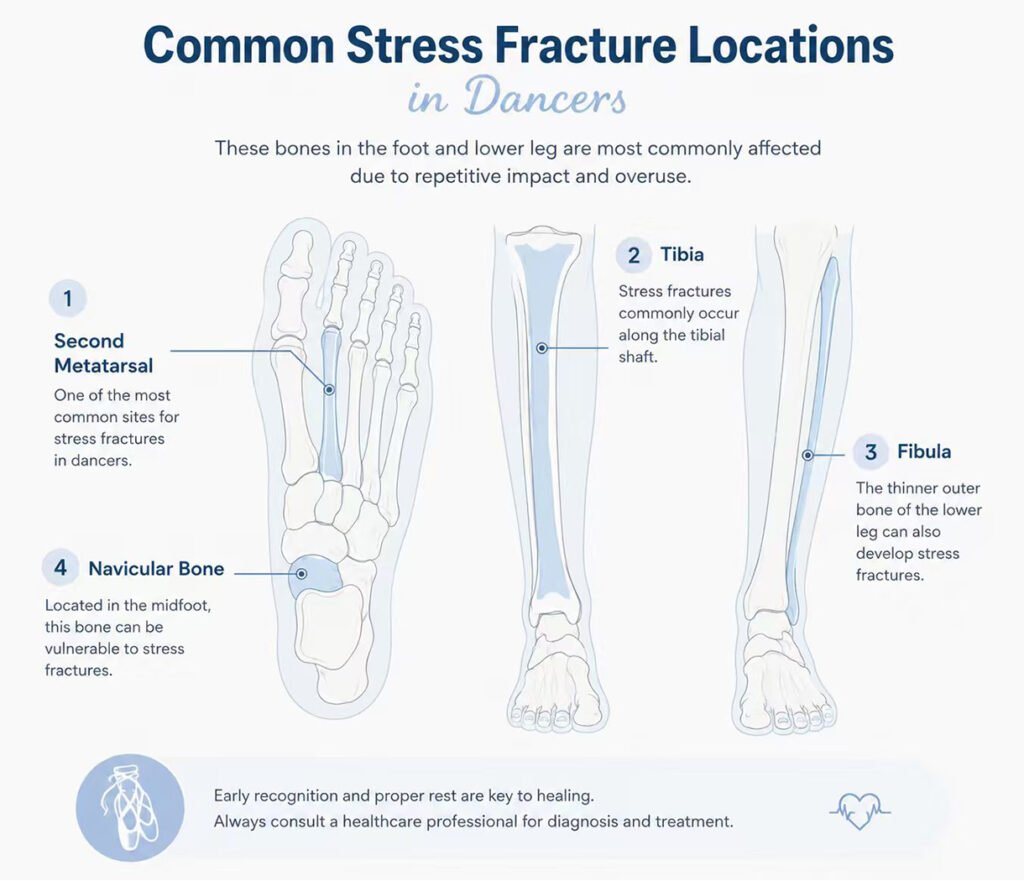
Dance involves thousands of repeated impacts. Each jump, landing, and relevé sends force through the foot and lower leg bones. Normally, the body repairs microscopic bone damage between training sessions. However, when training volume increases too quickly or rest periods become too short, the repair process falls behind. Tiny cracks begin to form within the bone matrix. Over time, these small defects may develop into stress fractures. The second metatarsal, tibia, fibula, and navicular bone are particularly vulnerable in dancers. This is not a sign of weakness but rather a signal that training load has temporarily exceeded the bone‘s adaptive capacity.
1.2 The Adolescent Factor
Teenage dancers face additional challenges. The skeleton continues maturing throughout adolescence, and growth plates remain open until skeletal maturity. Rapid growth periods temporarily alter biomechanics as limb lengths change and muscle flexibility adjusts unevenly. Additionally, some young dancers may have lower bone mineral density due to nutritional factors or menstrual irregularities. These combined elements create a higher risk profile compared to adult dancers. Stress fractures in adolescents also require careful management because the healing process must respect both the injury and the growing skeleton. This makes supportive, non-invasive approaches particularly valuable during recovery.
2. The Role of CO₂ Cryotherapy in Stress Fracture Recovery
CO₂ cryotherapy is not a bone-healing treatment. However, it may help dancers manage the physical sensations that accompany the recovery period, potentially making it easier to follow rehabilitation recommendations.
2.1 How Controlled Cooling Affects Local Tissues
When CO₂ cryotherapy applies a pressurized stream of cold gas to the skin overlying a healing bone, several physiological responses occur. First, the cold activates specialized receptors called TRPM8 channels in the skin. These receptors send signals to the nervous system that can temporarily influence how discomfort is perceived. Second, the cold triggers a biphasic vascular response: blood vessels initially constrict, then dilate as the tissue rewarms. This vascular cycle may help support healthy circulation in the area, which plays a role in delivering oxygen and removing metabolic waste products. These effects are temporary and supportive rather than curative.
2.2 Targeted Application for Foot and Leg Injuries
One advantage of CO₂ cryotherapy is its precision. A trained practitioner can direct the cold stream specifically to the area of concern—for example, the second metatarsal or the tibial shaft. This targeted approach means surrounding tissues receive minimal unnecessary cooling. The treatment is also dry, unlike ice packs that leave the skin wet. For a dancer recovering from a stress fracture, this means no messy residue to wipe away and no prolonged skin contact that could cause irritation. A typical session lasts only a few minutes, which fits easily into a busy recovery routine without taking excessive time from rest or other therapies.
2.3 Managing Post-Activity Sensations
During stress fracture recovery, dancers often perform modified activities such as swimming, upper body strengthening, or gentle range-of-motion exercises. These activities, while safe for the bone, may still produce mild lingering sensations in the injured area. Using CO₂ cryotherapy after these permitted movements may help manage those sensations. The cooling effect temporarily reduces nerve conduction velocity in the treated area, which means fewer discomfort signals reach the brain. This does not eliminate all sensation, but some dancers find it makes the post-activity period more comfortable. The goal is not to mask important pain signals but to support the dancer’s ability to stick with their rehabilitation plan.
3. What to Expect During a CO₂ Cryotherapy Session
For dancers and parents unfamiliar with this approach, knowing what happens during a session can reduce anxiety and set realistic expectations.
3.1 Before the Session
The dancer should wear comfortable clothing that allows easy access to the injured area. For a foot or lower leg stress fracture, shorts or rolled-up pants work well. The practitioner will examine the area to ensure there are no open wounds, active skin infections, or cold hypersensitivity conditions such as cold urticaria. If any of these are present, the session may need to be postponed. The dancer should also mention if they feel generally unwell or have circulation problems. A brief conversation about the injury and current symptoms helps the practitioner tailor the application to the dancer‘s specific needs.
3.2 During the Session
The practitioner positions the CO₂ cryotherapy device a few inches from the skin over the affected bone. They then move the applicator in a slow, circular pattern to distribute the cooling evenly. The dancer feels an intense cold sensation on the skin, which some describe as a “cold burn” that quickly fades as the area becomes numb. The entire application typically lasts between two and five minutes, depending on the size of the area being treated. The dancer may feel some tingling or temporary redness afterward, which usually resolves within minutes. The practitioner will monitor the dancer’s response throughout to ensure comfort and safety.
3.3 After the Session
Once the session ends, the skin gradually returns to its normal temperature. The dancer can resume their regular recovery activities immediately, as there is no downtime. Some dancers notice a temporary reduction in local sensations lasting from 30 minutes to a few hours. Others may feel nothing different right away but appreciate the cumulative effect of regular sessions. The practitioner may recommend a series of sessions rather than a single treatment, as consistent use tends to provide more noticeable support. Between sessions, the dancer should continue following their healthcare provider‘s advice regarding rest, nutrition, and modified activity levels.
4. Integrating Cryotherapy With Conventional Recovery
CO₂ cryotherapy works best as part of a broader recovery plan. It does not replace rest, physical therapy, or proper nutrition, but it may complement these elements effectively.
4.1 When to Use Cryotherapy During Recovery
Timing matters. Many dancers find that using CO₂ cryotherapy immediately after their permitted daily activities provides the most benefit. For example, after completing a pool workout or upper body strength session, a short cryotherapy treatment on the injured area may help manage any post-activity sensations that arise. Some dancers also use it before bedtime to support overnight comfort. However, cryotherapy should not be used immediately before activities that require full sensation in the area, such as balance exercises. The practitioner can help determine the optimal timing based on the dancer‘s specific daily routine and symptom patterns.
4.2 Complementary Approaches
Bone healing depends on several factors that cryotherapy does not influence directly. Adequate calcium and vitamin D intake supports the remodeling process. Protein helps maintain the structural integrity of bone matrix. Sleep allows repair processes to occur without interruption. Physical therapy helps the dancer maintain strength and flexibility without loading the injured bone. CO₂ cryotherapy fits alongside these elements as a supportive tool for managing the physical experience of recovery. When dancers feel more comfortable during the waiting period, they may find it easier to stay patient and compliant with their overall plan.
4.3 Setting Realistic Expectations
It is important to be clear about what CO₂ cryotherapy cannot do. It does not accelerate bone healing. It does not replace the need for relative rest. It does not prevent stress fractures from occurring in the future. What it can do is provide temporary cooling that may help a dancer feel more comfortable during the weeks or months of modified activity. For some dancers, this makes the difference between sticking with their rehabilitation and becoming frustrated enough to rush back too soon. Realistic expectations lead to better satisfaction with any supportive therapy.
5. Practical Advice for Dancers and Parents
Navigating a stress fracture recovery requires patience and good communication. These practical tips can help make the process smoother.
5.1 Communicating With the Dance Team
Dancers often worry about disappointing instructors or losing performance opportunities. Having an honest conversation about the injury and the recommended recovery timeline can reduce this pressure. Instructors who understand stress fractures may offer modified participation options, such as observing rehearsals or focusing on upper body work. Parents can help by providing written recommendations from healthcare providers. The goal is to keep the dancer engaged with their art form while respecting the body‘s need for healing. CO₂ cryotherapy can be mentioned as one of the supportive tools the dancer is using, but it should not be presented as a fast track back to full dancing.
5.2 Monitoring Symptoms
During recovery, the dancer should pay attention to how the injured area feels. A small amount of dull ache after modified activity may be normal. However, sharp or worsening pain that persists after rest could indicate that the activity level remains too high. The dancer should keep a simple daily log of symptoms, noting what activities they did and how the area felt afterward. This log can help the healthcare provider adjust the recovery plan as needed. If the dancer uses CO₂ cryotherapy, they can also note whether they notice any difference in post-activity sensations on days when they use it versus days when they do not.
5.3 Knowing When to Seek Help
While stress fractures often heal well with appropriate management, certain signs warrant professional attention. If pain consistently worsens over several weeks despite reduced activity, or if the dancer develops new symptoms in a different location, they should consult their healthcare provider. Swelling that does not subside with rest or pain that awakens the dancer from sleep also merit evaluation. A good recovery plan includes regular check-ins with the medical team to monitor healing progress. CO₂ cryotherapy is a supportive measure, not a substitute for these professional evaluations.
Frequently Asked Questions
Q1: Does CO₂ cryotherapy heal the stress fracture directly?
No. Bone healing depends on rest, nutrition, and the body‘s own repair processes. Cryotherapy may help manage post-activity sensations and support local circulation.
Q2: How soon after a stress fracture diagnosis can a dancer start cryotherapy?
Once the area has no open wounds or active infection, a dancer may begin. The practitioner will assess suitability before the first session.
Q3: How many cryotherapy sessions are typically recommended during recovery?
There is no fixed number. Some dancers use it several times per week during the modified activity phase. A practitioner can suggest a frequency based on individual needs.
Q4: Is CO₂ cryotherapy painful for adolescents?
Most describe an intense cold sensation that becomes numb quickly. The treatment is generally well tolerated when performed by trained practitioners.
Q5: Can cryotherapy be used alongside ice packs or other cold treatments?
It is generally better to use one method at a time to avoid over-cooling the tissues. A practitioner can advise on appropriate spacing between different cold applications.
Q6: Will cryotherapy allow a dancer to return to full activity faster?
No. Returning to full dance depends on bone healing, which follows its own timeline. Cryotherapy does not shorten that timeline but may support comfort during the waiting period.
Conclusión
Stress fractures present a genuine challenge for adolescent dancers, often requiring weeks of modified activity and careful patience. While bone healing ultimately depends on rest, nutrition, and the body‘s own cellular processes, CO₂ cryotherapy offers a supportive tool that may help dancers manage post-activity sensations and maintain local circulation during the recovery period. This targeted, dry cooling approach does not claim to heal bones or speed up return times, but it may make the waiting period more comfortable for some young dancers. When used alongside appropriate medical guidance, physical therapy, and gradual return-to-dance protocols, CO₂ cryotherapy can serve as a complementary part of a thoughtful recovery plan.
Referencias
Evans, S., et al. (2022). Stress Fracture Prevalence and Site Distribution in Dancers: A Retrospective Review.
The Science Behind CO₂ Cryotherapy.
https://www.localcryotherapy.com/the-science-behind-co₂-cryotherapy.html
Circulation in Seconds: The Vascular Effects of CO₂ Cryotherapy.
https://www.localcryotherapy.com/circulation-in-seconds-the-vascular-effects-of-co₂-cryotherapy.html
Cryotherapy for Athletes: Supporting Recovery.
https://www.localcryotherapy.com/cryotherapy-for-athletes-supporting-recovery.html
International Association for Dance Medicine and Science. (2023). Stress Fractures in Dancers.
https://iadms.org/resources/healthcare-resources/stress-fractures-in-dancers