Introducción
Aging brings wisdom, experience, and unfortunately, for many, a persistent ache in the joints. Simple joys—morning walks, playing with grandchildren, tending a garden—can become overshadowed by the dull, grinding pain of osteoarthritis. This degenerative joint disease affects a significant portion of older adults, and its impact reaches far beyond physical discomfort. Morning stiffness, swollen joints, and hesitation before climbing stairs gradually erode independence and quality of life. Medications and surgeries have long been the standard approach, but many seniors now seek non-invasive, drug‑free alternatives. CO₂ cryotherapy offers a targeted therapy that works with the body‘s natural healing processes to reduce inflammation, ease joint pain, and support mobility.
1. Understanding Osteoarthritis in the Aging Joint
Osteoarthritis ranks as the most common form of arthritis and the leading cause of chronic pain in older adults. It involves more than just wear and tear. The disease affects cartilage, synovial tissues, and the underlying bone. Understanding this process helps explain why CO₂ cryotherapy can offer real benefits.
1.1 The Degenerative Process
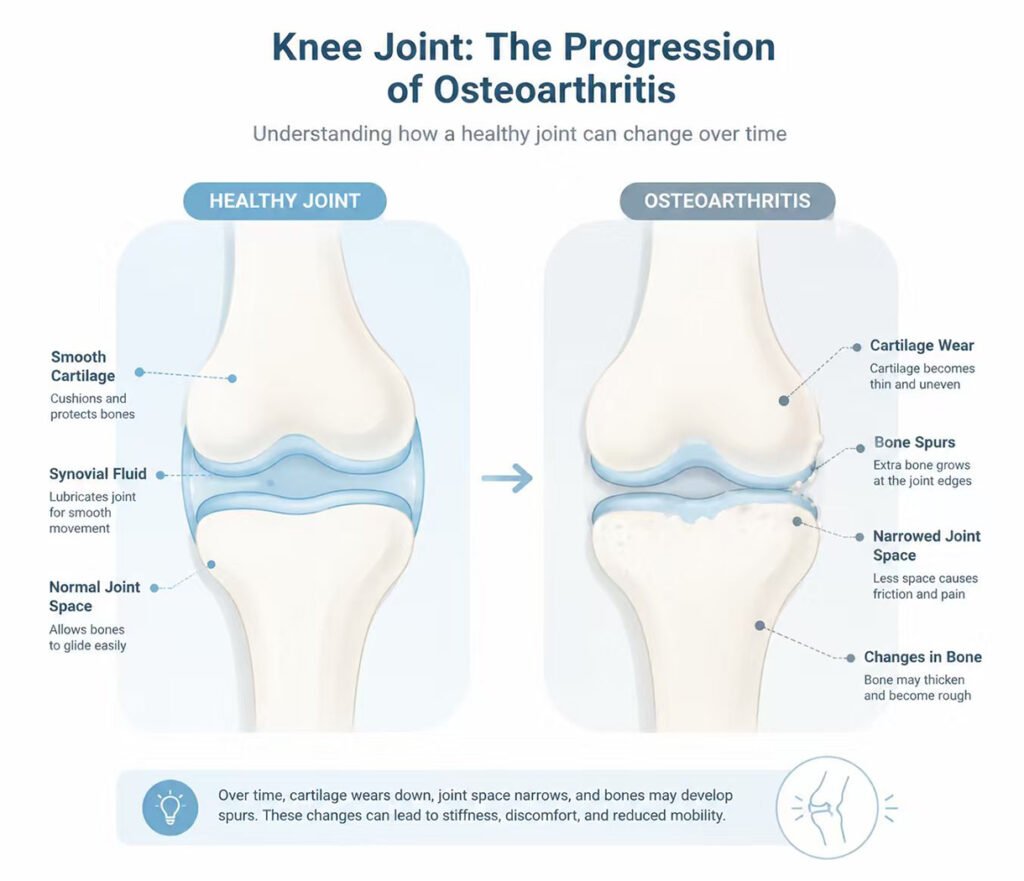
Healthy joints rely on smooth cartilage to allow bones to glide effortlessly. Synovial fluid nourishes the cartilage and keeps everything well‑lubricated. In osteoarthritis, this system gradually breaks down. Cartilage thins and develops microfissures, losing its ability to cushion the joint. As cartilage wears away, bones may come into contact, causing pain and inflammation. The body responds by forming new bone, such as osteophytes or bone spurs, which can restrict movement and create additional discomfort. Chronic, low‑grade inflammation drives this degenerative cascade and perpetuates tissue damage over time.
1.2 How Osteoarthritis Affects Daily Life
The symptoms of osteoarthritis extend far beyond the joints. Morning stiffness often lasts thirty minutes or more, making it difficult to get out of bed. Swelling limits range of motion, so bending down, reaching overhead, or walking comfortably becomes a struggle. Pain and stiffness reduce physical activity, which leads to muscle weakness, weight gain, and further joint instability. Many seniors withdraw from social activities they once enjoyed. The emotional toll—frustration, anxiety, and depression—can feel as debilitating as the physical pain. Breaking this cycle without relying on medications that carry risks of gastrointestinal bleeding or kidney damage remains a significant challenge.
2. How CO₂ Cryotherapy Works for Osteoarthritis
CO₂ cryotherapy delivers localized cold therapy using pressurized carbon dioxide gas. This approach provides dry, precise cooling directly to the affected joint, such as the knee, hip, or hand. Unlike whole‑body cryotherapy or ice packs, this method targets the exact area of pain and inflammation, which makes it especially useful for managing osteoarthritis symptoms.
2.1 Vasoconstriction and Reactive Hyperemia
Applying cold CO₂ gas to the skin over an arthritic joint rapidly lowers the temperature of the underlying tissues. This cold stimulus triggers vasoconstriction, the narrowing of blood vessels. Vasoconstriction reduces blood flow, limits inflammatory fluid accumulation, and decreases local swelling. After the cold stimulus ends, the blood vessels undergo reactive hyperemia, where they dilate more widely than before. This rebound effect brings a surge of oxygen‑rich blood and nutrients to the joint. It supports tissue repair and helps clear metabolic waste. This cycle of constriction followed by improved circulation plays a central role in managing joint inflammation.
2.2 Modulating Inflammation at the Cellular Level
Osteoarthritis involves more than mechanical wear and tear; chronic inflammation also drives the disease. Inflammatory molecules contribute to cartilage breakdown and persistent joint pain. Cold exposure from CO₂ cryotherapy can reduce the activity of pro‑inflammatory cytokines, which helps calm the inflammatory environment within the joint. By lowering the local inflammatory load, the therapy relieves joint swelling, reduces synovial irritation, and may slow cartilage degeneration. These cellular benefits accumulate over repeated sessions, making consistent treatment valuable for long‑term management.
2.3 Pain Relief Without Medication
Pain relief ranks as one of the most immediate benefits of CO₂ cryotherapy. Cold application slows nerve conduction velocity, which raises pain thresholds and reduces discomfort. The numbing effect provides rapid, albeit temporary, relief from the deep ache of arthritic joints. For seniors concerned about NSAID side effects or those with conditions that make these medications unsafe, CO₂ cryotherapy offers a valuable non‑drug alternative. It does not interact with other medications and avoids the systemic risks associated with long‑term pharmaceutical use.
3. Why CO₂ Cryotherapy Suits Seniors Well
As people age, the body becomes more sensitive to certain treatments. Skin thins, circulation may decline, and the risk of adverse medication reactions increases. CO₂ cryotherapy offers several features that make it particularly appropriate for older adults.
3.1 Safety and Tolerability
Trained professionals generally consider CO₂ cryotherapy safe for elderly patients. Sessions are brief, lasting only five to fifteen minutes, and require no anesthesia or invasive procedures. The dry gas application avoids the skin irritation that ice packs or gel packs can cause. Precise, controlled cooling reduces the risk of frostbite or tissue damage. This safety profile makes CO₂ cryotherapy attractive for seniors with fragile skin, poor circulation, or other conditions that increase sensitivity to extreme temperatures. A healthcare consultation remains advisable to ensure the therapy suits each individual‘s health status.
3.2 Non‑Drug Pain Management
Many seniors take multiple medications for various chronic conditions, so drug interactions and cumulative side effects pose real concerns. CO₂ cryotherapy offers a way to manage joint pain without adding another pill to the daily routine. It does not affect liver or kidney function, does not cause gastrointestinal bleeding, and carries none of the cardiovascular risks associated with some NSAIDs. For seniors seeking to reduce their reliance on pain medications or those unable to take certain drugs due to other health conditions, CO₂ cryotherapy provides a welcome alternative.
3.3 Supporting Mobility and Independence
The ultimate goal of any osteoarthritis management strategy is to help seniors maintain independence and quality of life. CO₂ cryotherapy reduces pain and stiffness, making it easier for older adults to stay active. Regular physical activity remains essential for preserving muscle strength, joint flexibility, and overall health. When pain stays under control, seniors participate more readily in the activities that keep them engaged, such as walking with friends, playing with grandchildren, or simply moving around the house with ease.
4. What to Expect from CO₂ Cryotherapy
Seniors and their caregivers should understand the practical aspects of CO₂ cryotherapy before starting treatment. Knowing what to expect helps set realistic goals and ensures a positive experience.
4.1 The Treatment Session
A typical session applies CO₂ gas directly to the affected joint. The practitioner moves the applicator over the area in slow, sweeping motions to ensure even cooling. This technique avoids prolonged exposure to any single spot. The sensation often feels intensely cold but not painful, a dry, tingling cold that passes quickly as the applicator moves. The entire treatment lasts only a few minutes per joint, and the senior remains fully clothed except for the area being treated. No recovery time is needed, so most seniors can resume normal activities immediately after the session.
4.2 Frequency and Consistency
The benefits of CO₂ cryotherapy for osteoarthritis accumulate over time. A single session can provide temporary pain relief, but significant and sustained improvement requires regular treatment over several weeks. Many practitioners initially recommend two to three sessions per week, then adjust based on the individual‘s response. As symptoms improve, the frequency may decrease to a maintenance schedule. Consistency matters because the cellular effects that reduce inflammation and support joint health build up over repeated sessions.
4.3 Integrating with Other Therapies
CO₂ cryotherapy complements rather than replaces other aspects of osteoarthritis management. Seniors who continue gentle exercise, maintain a healthy weight, and follow their healthcare provider‘s recommendations will likely see the best results. Physical therapy, stretching, and strengthening exercises work well alongside cryotherapy. The therapy fits easily into an existing care routine, providing an additional tool to manage pain and maintain mobility.
5. Practical Tips for Seniors Considering CO₂ Cryotherapy
Making the most of CO₂ cryotherapy involves more than just attending sessions. Seniors can take several steps to maximize benefits and ensure a safe, effective experience.
5.1 Choosing a Qualified Provider
Not all cryotherapy providers offer the same level of care. Seniors should seek clinics with trained professionals who have experience working with older adults. A thorough consultation should include a review of medical history, current medications, and any specific concerns. The provider should explain the procedure clearly, answer all questions, and adjust treatment parameters to suit the individual‘s comfort level.
5.2 Preparing for the Session
Wearing loose, comfortable clothing that allows easy access to the affected joint makes the session more convenient. Staying well‑hydrated and eating a light meal before the appointment can help the body respond to the therapy. Seniors should communicate any discomfort during the session, as the practitioner can adjust the intensity or duration to ensure a comfortable experience.
5.3 Maintaining Realistic Expectations
CO₂ cryotherapy serves as a supportive therapy, not a cure. It can reduce pain, improve mobility, and decrease reliance on medications, but it may not eliminate all symptoms. Seniors who approach the therapy with realistic expectations tend to feel more satisfied with their results. The goal is to make daily life more comfortable and preserve the ability to do the things that matter most.
PREGUNTAS FRECUENTES
Q1: Is CO₂ cryotherapy painful for seniors with osteoarthritis?
Most seniors feel an intense cold sensation but not pain. The applicator moves continuously, so no single spot stays cold for too long.
Q2: How many sessions does a senior typically need?
The number varies. Many benefit from two to three sessions per week over several weeks, followed by maintenance sessions as needed.
Q3: Can seniors with other health conditions use CO₂ cryotherapy?
Often yes, but those with circulatory disorders, neuropathy, or cold hypersensitivity should consult a healthcare provider before starting.
Q4: How soon after treatment will I feel less pain?
Some notice relief within minutes after a session. The most noticeable improvement often comes after several sessions as anti‑inflammatory effects accumulate.
Q5: Can CO₂ cryotherapy be combined with physical therapy or exercise?
Yes. Combining cryotherapy with gentle exercise and physical therapy often yields the best results. The therapy helps reduce pain, which makes movement easier and more comfortable.
Conclusión
Osteoarthritis can feel like an inevitable part of aging, but it does not have to dictate how seniors live their lives. The pain, stiffness, and swelling that accompany this condition respond to the right combination of strategies. CO₂ cryotherapy offers a valuable, non‑invasive, drug‑free option. Through vasoconstriction, reactive hyperemia, reduced inflammation, and pain modulation, the therapy supports the body’s own healing mechanisms. It remains safe, well‑tolerated, and easily integrated into a comprehensive care plan. When combined with gentle exercise, healthy lifestyle choices, and regular medical supervision, CO₂ cryotherapy helps seniors age well with less pain, greater mobility, and more independence.
Referencias
CO₂ Cryotherapy for Seniors: Safe Relief from Joint Stiffness
https://www.localcryotherapy.com/co2-cryotherapy-seniors-joint-stiffness.html
CO₂ Cryotherapy for Knee Osteoarthritis (KOA)
https://www.localcryotherapy.com/co2-cryotherapy-knee-osteoarthritis-koa.html/
How CO₂ Cryotherapy Eases Knee Pain in Seniors
https://www.localcryotherapy.com/knee-pain-relief-seniors-co₂.html
Cryotherapy for Seniors: Stay Active and Pain‑Free
https://www.localcryotherapy.com/cryotherapy-for-seniors-stay-active.html
CO₂ Cryotherapy for Circulation and Swelling Relief in Seniors
https://www.localcryotherapy.com/co2-cryotherapy-circulation-swelling-seniors.html