
Introducción
Arthritis can affect millions of people by influencing joint comfort, flexibility, and daily movement. From knee stiffness after walking to hand discomfort during everyday activities, many individuals look for supportive approaches that can be added to their personal wellness routines. CO₂ cryotherapy, also known as localized carbon dioxide cryotherapy, has become an emerging cold therapy option that delivers rapid cooling to specific body areas. By using compressed CO₂ gas at extremely low temperatures, this targeted approach helps users focus on areas where they experience discomfort, making it a popular choice among people interested in modern recovery and joint care technologies. LocalCryotherapy provides a professional-grade approach to localized cold therapy, allowing users to explore targeted cooling as part of a balanced wellness routine.
1. Understanding Arthritis and Its Impact on Joint Comfort
Arthritis refers to a group of conditions that affect joints and surrounding tissues. Different forms of arthritis, including osteoarthritis and rheumatoid arthritis, may influence movement, flexibility, and overall quality of life. Understanding how arthritis affects the body provides important background for exploring supportive options such as CO₂ cryotherapy.
1.1 How Arthritis Affects Daily Movement
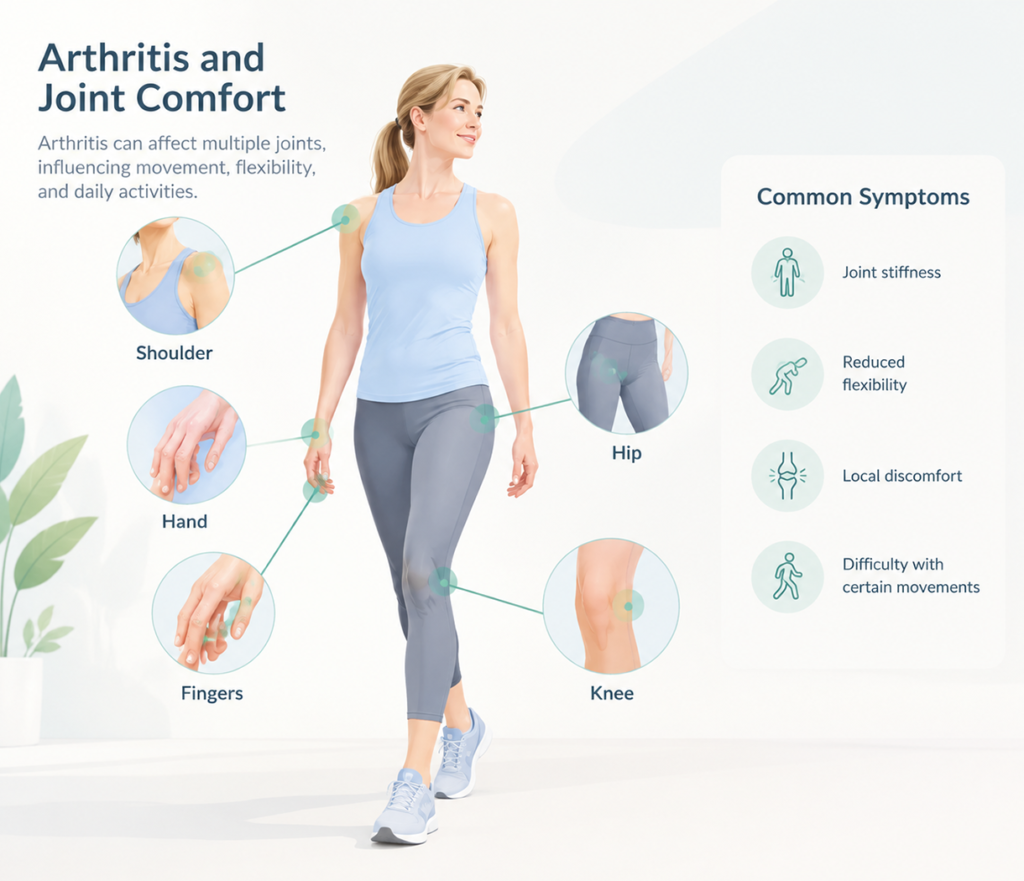
Joint health plays an important role in everyday activities such as walking, exercising, working, and performing household tasks. When joints experience stiffness or discomfort, simple movements may become more challenging.
Common areas affected by arthritis include the knees, hands, hips, shoulders, and fingers. These areas are frequently involved in repetitive movement, weight-bearing activities, or age-related changes. As a result, many individuals seek methods that can support joint comfort while maintaining an active lifestyle.
1.2 Different Types of Arthritis and Common Symptoms
Osteoarthritis is often associated with cartilage changes caused by long-term joint stress, while rheumatoid arthritis involves immune-related processes that affect joint tissues.
Although the causes may differ, many people experience similar concerns, including:
- Joint stiffness
- Reduced flexibility
- Local discomfort
- Difficulty with certain movements
Because arthritis symptoms can vary significantly between individuals, supportive approaches are often selected based on personal needs and affected areas.
1.3 Why Targeted Cold Therapy Is Gaining Attention for Arthritis Support
Traditional cold applications, such as ice packs, have been used for many years to provide temporary cooling effects. However, localized CO₂ cryotherapy offers a more advanced method by delivering controlled, rapid cooling directly to selected areas.
Research on local cryotherapy has explored how cold CO₂ applications may influence joint-related discomfort and inflammatory activity, particularly in areas such as the knee joint.
This targeted approach has attracted attention because it allows users to focus on specific joints rather than applying general cooling methods.
2. How CO₂ Cryotherapy Works for Joint Comfort Support
CO₂ cryotherapy uses compressed carbon dioxide gas that expands rapidly through a specialized applicator, creating an intense cooling effect on the skin surface. Unlike traditional ice-based methods, CO₂ cryotherapy provides fast temperature reduction without placing heavy cold materials directly on the body.
2.1 The Science Behind Localized CO₂ Cooling
When cold CO₂ reaches the skin surface, it creates a rapid cooling response. This process can influence local blood vessel responses, sensory nerve activity, and tissue temperature.
The controlled cooling effect is designed to support the body’s natural response to temporary discomfort and physical stress. Because the application focuses on a specific area, users can select joints that require additional attention.
2.2 CO₂ Cryotherapy and Inflammatory Response Pathways
Cold therapy has been widely explored in relation to inflammatory conditions because temperature changes may influence biological processes associated with inflammation and tissue response.
Studies involving local CO₂ cryotherapy have examined changes related to joint discomfort and synovial activity in arthritis conditions. These findings have contributed to growing interest in localized cold therapy as a complementary approach for joint wellness.
However, CO₂ cryotherapy is not intended to replace medical care. Instead, it can serve as one option within a broader approach to maintaining comfort and mobility.
2.3 Why CO₂ Cryotherapy Is Different From Traditional Cold Applications
Traditional cold therapy usually relies on frozen packs or ice-based products that remain in contact with the skin for longer periods.
CO₂ cryotherapy differs because it provides:
- Rapid cooling
- Targeted application
- Short treatment sessions
- Adjustable focus on specific areas
This makes it suitable for individuals who prefer a precise and efficient cold therapy experience.
3. Common Applications of CO₂ Cryotherapy for Arthritis-Related Discomfort
Localized CO₂ cryotherapy can be applied to different areas depending on individual needs. Many users focus on joints that experience frequent stress from movement, exercise, or daily activities.
3.1 Knee Joint Support Through Targeted Cold Therapy
The knee is one of the most commonly affected joints among people with arthritis. Daily activities such as walking, climbing stairs, and exercising place continuous demands on knee structures.
Targeted CO₂ cryotherapy allows users to focus cooling around the knee area as part of their personal recovery routine. The rapid cooling sensation may help support comfort after physical activity or during periods of increased joint sensitivity.
3.2 Hand and Wrist Comfort for Everyday Activities
Hand and wrist discomfort can affect activities such as typing, cooking, gardening, and other repetitive movements.
Because CO₂ cryotherapy allows precise application, users can focus on smaller areas where they experience stiffness or discomfort. This targeted approach makes it suitable for individuals who need flexibility in their daily wellness routines.
3.3 Shoulder and Elbow Areas Affected by Repetitive Stress
Shoulders and elbows often experience stress from work, exercise, and repeated movements.
People involved in activities requiring frequent arm motion may explore localized cold therapy as a way to support recovery habits. By focusing on specific areas, CO₂ cryotherapy can become part of a personalized approach to maintaining physical comfort.
4. CO₂ Cryotherapy as Part of a Modern Arthritis Wellness Routine
Managing arthritis often involves multiple lifestyle factors, including movement, healthy habits, professional guidance, and personal comfort strategies. CO₂ cryotherapy can complement these approaches by providing a targeted cooling option.
4.1 Supporting Active Lifestyles With Targeted Cold Therapy
Maintaining mobility is an important goal for many individuals managing arthritis-related discomfort. Staying active can support overall physical function, but some people may experience temporary discomfort after movement.
Localized CO₂ cryotherapy offers a convenient option for those who want to include targeted cooling before or after daily activities.
4.2 The Role of CO₂ Cryotherapy in Home and Professional Recovery
Modern wellness technology continues to develop, providing more personalized recovery solutions.
Devices and systems based on localized cryotherapy allow users and professionals to focus on specific body regions rather than relying only on general cold exposure methods.
This personalized approach reflects the growing demand for recovery solutions that fit different lifestyles and physical needs.
4.3 Choosing the Right Approach for Individual Needs
Every person experiences arthritis differently. Factors such as affected joints, activity level, personal preferences, and overall health can influence which supportive methods are appropriate.
CO₂ cryotherapy should be considered as part of a balanced wellness plan rather than a standalone solution.
5. Exploring the Future of CO₂ Cryotherapy for Joint Wellness
As interest in non-invasive recovery technologies continues to grow, CO₂ cryotherapy remains an important topic in the field of targeted cold therapy. Its combination of rapid cooling, precision, and convenience makes it an attractive option for people seeking modern approaches to joint comfort.
5.1 Growing Interest in Localized Cryotherapy Technology
Localized cryotherapy has gained attention because it provides focused temperature control rather than whole-body exposure.
Research continues to explore how different cryotherapy methods may interact with pain perception, inflammatory pathways, and physical recovery.
This ongoing interest highlights the potential role of targeted cold therapy in future wellness and rehabilitation settings.
5.2 Building a Balanced Approach to Joint Health
Joint wellness involves more than one solution. Regular movement, proper lifestyle habits, professional advice, and supportive technologies can work together to help individuals maintain daily comfort.
CO₂ cryotherapy provides another option for people who want to explore targeted cooling as part of their personal joint care routine.
PREGUNTAS FRECUENTES
What is CO₂ cryotherapy?
CO₂ cryotherapy is a localized cold therapy method that uses compressed carbon dioxide gas to create rapid cooling on targeted areas.
Can CO₂ cryotherapy cure arthritis?
No. CO₂ cryotherapy does not cure arthritis. It is a supportive approach that may help some individuals manage daily joint discomfort.
Which areas can use CO₂ cryotherapy?
Common areas include knees, hands, wrists, shoulders, elbows, and other regions where users experience discomfort.
How is CO₂ cryotherapy different from ice packs?
CO₂ cryotherapy provides rapid and targeted cooling, while ice packs usually rely on longer contact with cold materials.
Is CO₂ cryotherapy suitable for everyone?
Individuals should consider their personal health conditions and consult healthcare professionals when necessary before using any recovery technology.
Conclusión
CO₂ cryotherapy represents a modern approach to targeted cold therapy that focuses on specific areas affected by joint discomfort. By delivering rapid cooling through carbon dioxide technology, it provides users with a convenient way to include localized cold therapy in their wellness routines. For individuals exploring support for arthritis-related discomfort, CO₂ cryotherapy may offer a practical option alongside healthy movement habits and professional care. With advanced localized solutions from LocalCryotherapy, users can experience a more precise approach to maintaining joint comfort and daily mobility.
Referencias
Cryotherapy decreases synovial Doppler activity and pain in knee arthritis: A randomized-controlled trial
https://pubmed.ncbi.nlm.nih.gov/27825572
Local ice cryotherapy decreases synovial interleukin 6, interleukin 1β, vascular endothelial growth factor, prostaglandin-E2, and nuclear factor kappa B p65 in human knee arthritis: a controlled study
https://pubmed.ncbi.nlm.nih.gov/31362785
Crioterapia y termoterapia en el tratamiento de la artrosis y la artritis reumatoide: Una revisión exhaustiva
https://pubmed.ncbi.nlm.nih.gov/41466979
The Mechanisms and Efficacy of Photobiomodulation Therapy for Arthritis: A Comprehensive Review
https://pubmed.ncbi.nlm.nih.gov/37762594
Effectiveness of different cryotherapies on pain and disease activity in active rheumatoid arthritis: A randomised controlled trial