Introducción
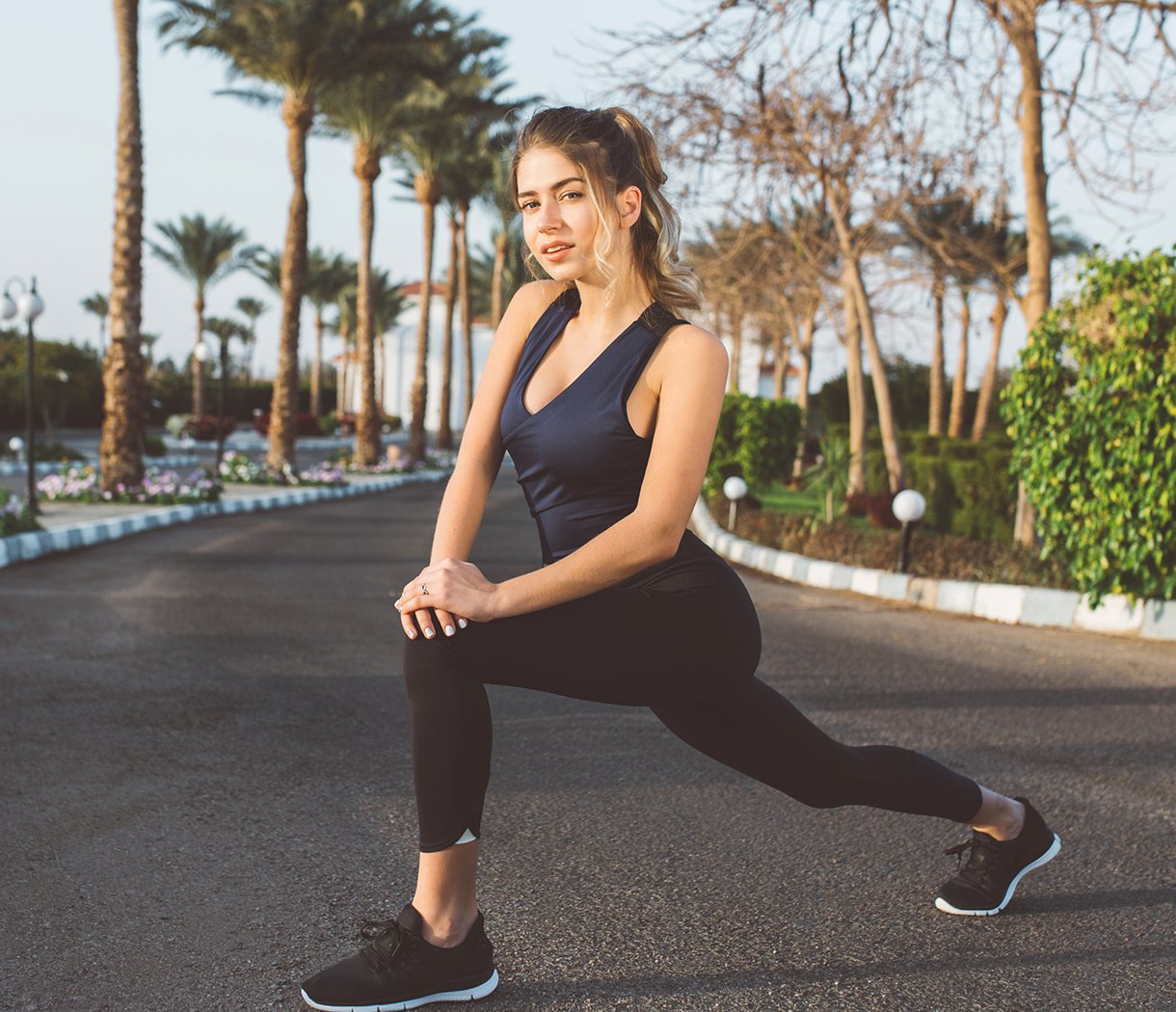
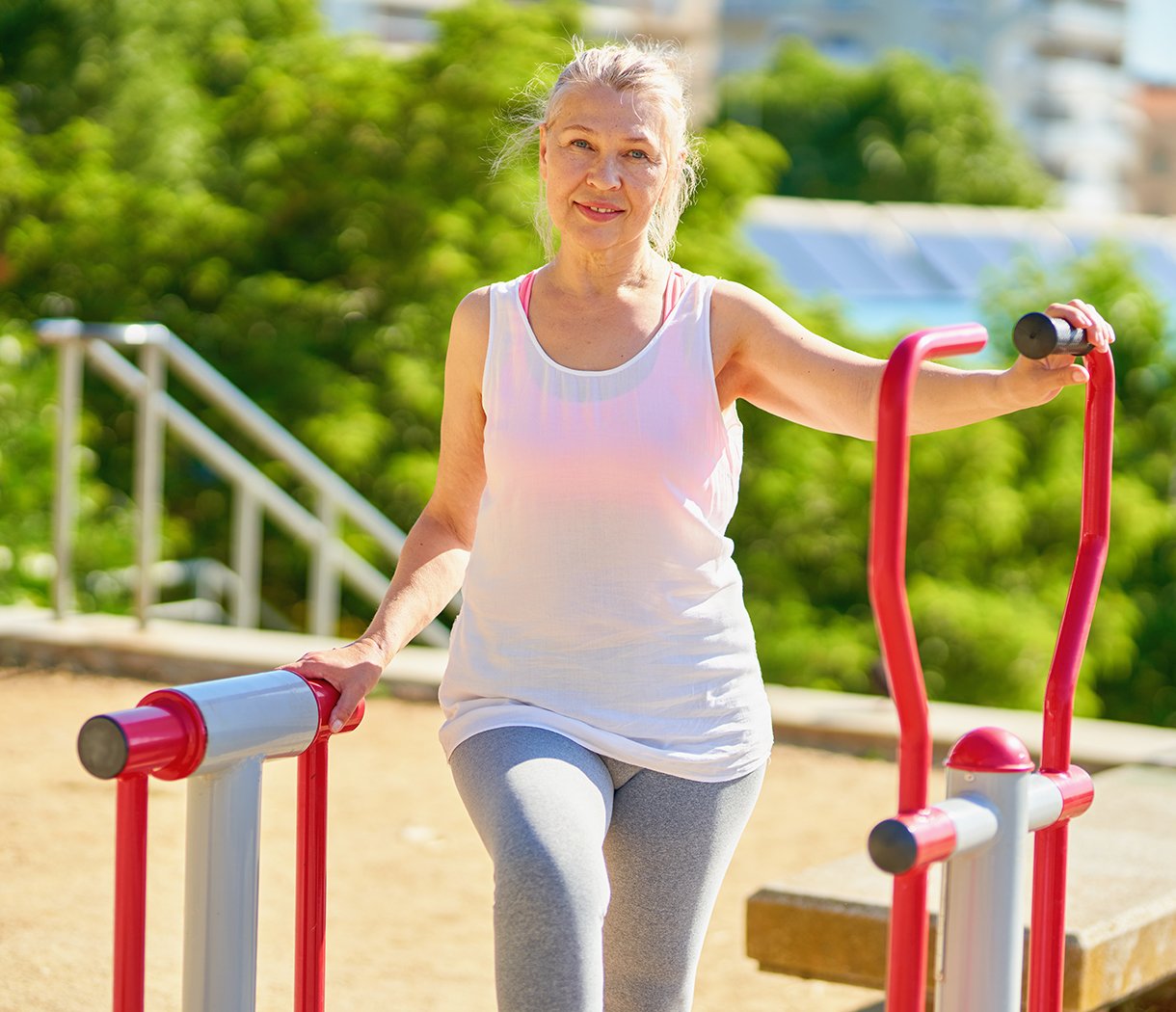
Staying active after the age of 50 has become an important part of many people’s lifestyles, with more adults continuing activities such as golf, hiking, fitness training, cycling, and recreational sports. As activity levels increase, many individuals look for convenient ways to support mobility, physical comfort, and post-activity recovery. CO₂ cryotherapy, also known as carbon dioxide cryotherapy or localized cryotherapy, has gained attention as a targeted cold therapy approach that uses controlled cooling to support the body’s natural response to physical stress. By applying rapid cooling to specific areas, this technology offers an option for active adults who want to maintain their wellness routines while continuing an energetic lifestyle.
1. Understanding CO₂ Cryotherapy and Active Aging
Before exploring how CO₂ cryotherapy fits into an active lifestyle, it is important to understand the basic principles behind this cold therapy technology. Unlike traditional whole-body cooling methods, localized CO₂ cryotherapy focuses on specific areas where individuals may experience temporary discomfort after physical activities.
1.1 What Is CO₂ Cryotherapy?
CO₂ cryotherapy is a localized cold therapy method that uses carbon dioxide gas to create rapid cooling on targeted areas of the body. During application, the extremely cold CO₂ gas reduces skin temperature for a short period, creating a controlled cooling response.
This process is different from applying ice packs because CO₂ cryotherapy allows professionals or trained users to target specific body areas with controlled exposure. The approach is commonly used in wellness and recovery settings where individuals want a focused cold therapy experience.
For active adults, localized cryotherapy can become part of a broader routine that includes movement, stretching, proper hydration, and healthy lifestyle habits.
1.2 Why Mobility Becomes Important After 50
As people become older, maintaining mobility often becomes a key part of staying independent and active. Regular physical activity supports strength, flexibility, balance, and overall wellness.
Activities such as walking, gardening, swimming, golf, and fitness training require continuous movement from muscles, joints, and connective tissues. After physical activity, many active adults look for recovery methods that help them maintain comfort and continue participating in their favorite activities.
CO₂ cryotherapy provides a targeted option that fits into modern active aging routines by focusing on specific areas rather than requiring a full-body approach.
1.3 The Connection Between Cold Therapy and Active Lifestyles
Active adults often balance exercise with daily responsibilities, making convenience an important factor when choosing recovery methods. Localized cryotherapy offers a quick and focused approach that can be incorporated after physical activities.
Cold therapy has long been associated with temperature-based recovery practices. CO₂ cryotherapy uses rapid cooling technology to create a controlled response in the targeted area, making it an attractive option for individuals who prefer modern wellness solutions.
As more adults prioritize maintaining an active lifestyle, technologies that support recovery routines continue to gain interest.
2. How CO₂ Cryotherapy Supports Recovery Routines for Active Adults
Understanding the relationship between cold exposure and the body’s natural responses helps explain why many active individuals explore CO₂ cryotherapy. The technology focuses on localized temperature changes and the body’s natural adaptation process.
2.1 Localized Cooling and Body Response
When CO₂ cryotherapy is applied to a specific area, the rapid decrease in skin temperature creates a temporary cooling response. The body reacts through natural mechanisms related to circulation regulation and temperature control.
This process involves physiological responses such as vasoconstriction, where blood vessels temporarily narrow due to cooling. After the cooling period, the body gradually returns to normal temperature regulation.
For active adults, this targeted approach provides a way to focus on areas that experience temporary stress after movement or exercise.
2.2 Supporting Comfort After Physical Activities
Many adults over 50 continue participating in recreational sports and outdoor activities. However, longer walks, strength exercises, or weekend activities may create temporary muscle fatigue or stiffness.
Localized CO₂ cryotherapy can be used as part of a recovery routine after activities that place repeated demands on certain body areas. Common application areas may include:
- knees after walking or hiking
- shoulders after recreational sports
- calves after outdoor activities
- elbows after repetitive movements
The goal is to support comfort and help individuals maintain their preferred activities.
2.3 Why Targeted Cryotherapy Appeals to Active Adults
One reason localized cryotherapy attracts attention is its ability to focus on specific areas instead of applying cold exposure to the entire body. This targeted approach allows users to select areas based on their personal activity patterns.
For someone who enjoys hiking, lower-body areas may receive more attention. For someone who plays golf or participates in upper-body activities, shoulders and elbows may become a greater focus.
This flexibility makes CO₂ cryotherapy suitable for different lifestyles and activity preferences.
3. Common Activities Where CO₂ Cryotherapy Can Support Active Aging
Active adults over 50 participate in many different types of physical activities, from recreational sports to outdoor hobbies. Each activity creates different movement patterns and physical demands. Understanding these differences can help individuals explore how localized cryotherapy may fit into their personal wellness routines.
3.1 Outdoor Activities and Recovery Support
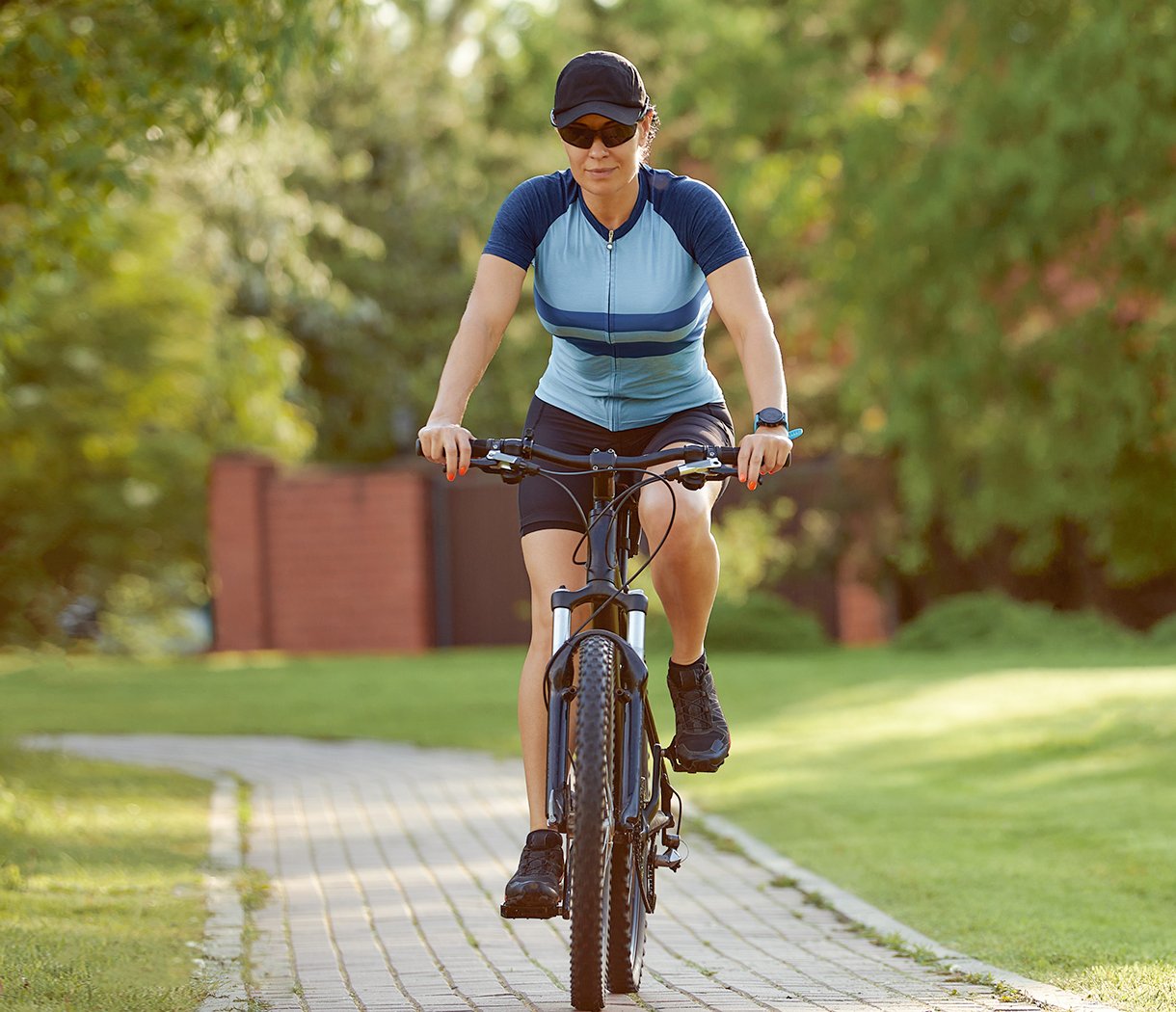
Outdoor activities such as hiking, walking, gardening, and cycling are popular among active adults because they combine physical movement with an enjoyable lifestyle. However, extended activity sessions may place repeated stress on muscles and joints, especially in areas involved in balance, movement, and weight-bearing.
CO₂ cryotherapy can be incorporated into recovery routines after outdoor activities by focusing on specific areas that experience temporary fatigue. Common areas may include the knees, ankles, calves, and lower back. The targeted cooling approach allows individuals to focus on the body areas most involved in their daily activities.
For active adults who enjoy spending time outdoors, localized cryotherapy provides another option to support their overall wellness habits.
3.2 Golf and Recreational Sports
Many adults continue participating in recreational sports after 50, with golf being one of the most common activities that requires repeated movement and coordination. The golf swing involves rotation, balance, and controlled movement from multiple areas of the body.
During regular play or practice sessions, golfers may pay attention to areas such as the shoulders, elbows, wrists, and lower back. CO₂ cryotherapy can be included as part of a post-activity routine to support physical comfort after repeated movements.
Because localized cryotherapy focuses on specific areas, it allows recreational athletes to customize their approach based on their individual activity patterns.
3.3 Strength Training and Fitness Programs
Strength training has become increasingly popular among older adults who want to maintain an active lifestyle. Resistance exercises can support muscle strength, balance, and overall physical function when performed appropriately.
After strength workouts, some individuals may experience temporary muscle fatigue in areas that receive higher training demands. Localized CO₂ cryotherapy can be used alongside other recovery practices, including stretching, mobility exercises, and proper rest.
Rather than replacing traditional recovery methods, cryotherapy works as an additional option within a complete fitness routine.
4. The Science Behind CO₂ Cryotherapy and Cold Therapy Response
To better understand why CO₂ cryotherapy is used in wellness and recovery environments, it is helpful to look at the scientific principles behind controlled cooling. The technology focuses on temperature changes, skin response, and the body’s natural regulation processes.
4.1 Carbon Dioxide Cooling Technology
CO₂ cryotherapy uses carbon dioxide gas to create a rapid cooling effect on targeted skin areas. The technology allows controlled application of cold temperatures without requiring direct contact with ice or frozen materials.
The cooling process creates a temporary change in skin temperature, which activates the body’s natural thermoregulation mechanisms. Thermoregulation refers to the body’s ability to maintain a stable internal temperature while responding to external changes.
This controlled cooling approach makes CO₂ cryotherapy different from traditional cold applications.
4.2 Vasoconstriction and Circulation Response
One important physiological response during cold exposure is vasoconstriction. When the body experiences cooling, blood vessels near the surface of the skin temporarily narrow as part of the natural temperature regulation process.
After the cooling period ends, normal circulation gradually returns. This natural response is one reason cold therapy continues to be explored in sports recovery and wellness settings.
For active adults, understanding these processes helps explain how localized cryotherapy fits into a broader recovery strategy.
4.3 Localized Cooling Compared With Traditional Cold Methods
Traditional cold methods, such as ice packs, have been commonly used for many years. However, localized CO₂ cryotherapy offers a different approach by providing rapid, targeted cooling without requiring preparation, wrapping, or direct ice contact.
The ability to focus on specific body areas makes CO₂ cryotherapy appealing for people who want a more controlled cold therapy experience.
Different recovery methods may work better for different lifestyles, and many individuals choose approaches that match their personal routines and preferences.
5. Making CO₂ Cryotherapy Part of a Healthy Active Lifestyle
Maintaining an active lifestyle after 50 involves more than exercise alone. Recovery habits, movement quality, and consistent wellness practices all contribute to long-term activity goals. CO₂ cryotherapy can become one component of a balanced approach to staying active.
5.1 Combining Cryotherapy With Movement and Wellness Habits
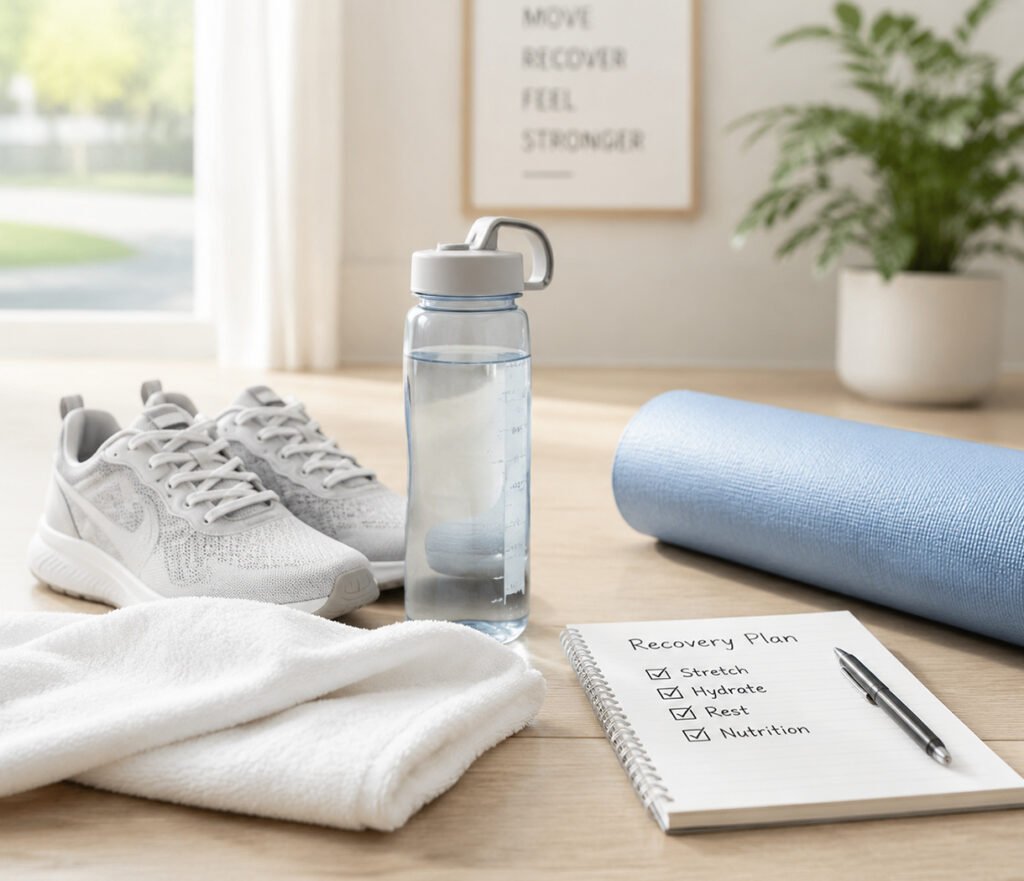
A complete active aging routine usually includes several elements, such as regular physical activity, balanced nutrition, adequate rest, and mobility exercises. Recovery technologies like CO₂ cryotherapy work best when they complement these fundamental habits.
Many active adults prefer recovery methods that fit naturally into their schedules. Localized cryotherapy offers a convenient option that can be included after exercise sessions, outdoor activities, or physically demanding hobbies.
By combining different wellness strategies, individuals can create routines that support their personal fitness goals.
5.2 Choosing a Personalized Recovery Approach
Every active adult has different physical needs, activity levels, and lifestyle preferences. Someone who enjoys daily walks may have different recovery priorities compared with someone who participates in recreational sports or strength training.
CO₂ cryotherapy allows targeted application based on individual preferences. Users can focus on areas that receive the most activity-related stress while continuing other healthy lifestyle practices.
A personalized approach helps make recovery routines more practical and sustainable over time.
PREGUNTAS FRECUENTES
What is CO₂ cryotherapy?
CO₂ cryotherapy is a localized cold therapy method that uses carbon dioxide gas to create rapid cooling on targeted body areas.
Is CO₂ cryotherapy suitable for active adults over 50?
Many active adults explore localized cryotherapy as part of their wellness and recovery routines to support comfort and mobility.
Which areas can be used with localized cryotherapy?
Common areas include knees, shoulders, elbows, calves, ankles, and other regions that experience temporary physical stress.
How long does a CO₂ cryotherapy session take?
Session length depends on the application area and professional guidelines. Localized treatments are generally designed to be completed within a short period.
Can CO₂ cryotherapy replace exercise and stretching?
No. Cryotherapy should complement healthy habits such as regular movement, stretching, proper rest, and balanced lifestyle choices.
Conclusión
CO₂ cryotherapy offers active adults over 50 a modern approach to supporting recovery routines and maintaining mobility during an active lifestyle. Through controlled carbon dioxide cooling and targeted application, localized cryotherapy provides a convenient option for individuals who participate in outdoor activities, recreational sports, and fitness programs. While it does not replace healthy movement habits or professional guidance, CO₂ cryotherapy can be included as part of a balanced wellness routine designed to support comfort, flexibility, and continued participation in enjoyable activities.
Referencias
Cryotherapy in Sports Medicine: A Review of the Physiological Effects
https://pubmed.ncbi.nlm.nih.gov/24235980
Cold Applications and Their Effects on Human Physiology
https://www.ncbi.nlm.nih.gov/pmc/articles/PMC4049645
The Effects of Local Cooling on Skin Temperature and Blood Flow Responses
https://pubmed.ncbi.nlm.nih.gov/21451183
Cryotherapy and Recovery After Physical Exercise: Current Perspectives
https://www.ncbi.nlm.nih.gov/pmc/articles/PMC6769742
Thermoregulation and Human Responses to Cold Exposure