
Introducción
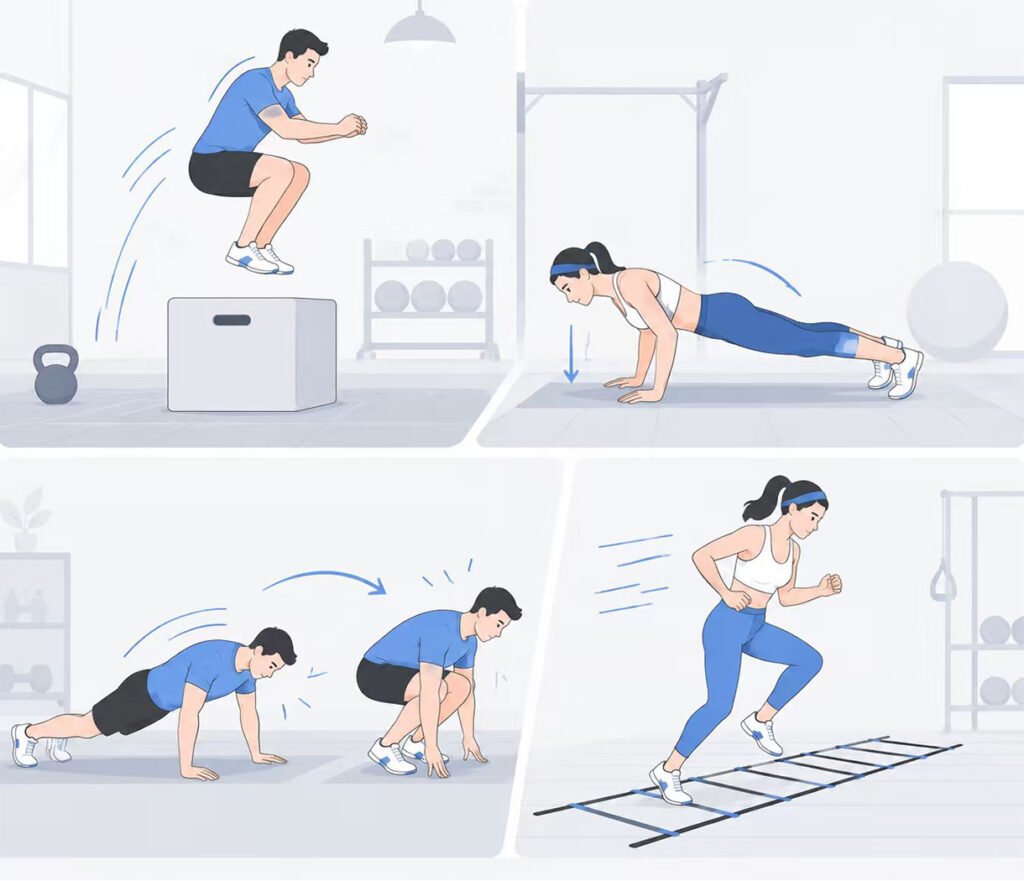
A sudden shift in direction during a box jump, an awkward landing after a burpee, or a misstep during a ladder drill. For athletes who push their limits in high-intensity interval training, that moment often marks the beginning of an acute ankle sprain. HIIT has become one of the most popular workout formats, prized for its efficiency and effectiveness. However, the explosive movements, rapid changes of direction, and high-impact landings that define this training style also create ideal conditions for injury. Ankle sprains rank among the most common injuries sustained during HIIT workouts, and they can sideline even the fittest athlete for days or weeks. For those seeking rapid, non-invasive relief after an acute ankle sprain, CO₂ cryotherapy offers a targeted, drug-free approach that may help control swelling, reduce pain, and support a faster return to training.
1. The HIIT Workout and Its Injury Risks
High-intensity interval training has transformed the fitness landscape. Its popularity has grown dramatically, and with it, the number of training-related injuries has also increased significantly.
1.1 Why Ankle Sprains Are Common in HIIT
HIIT workouts combine explosive movements, plyometrics, agility drills, and high-impact landings. These elements place extraordinary demands on the ankle joint. Lateral movements, rapid decelerations, and single-leg landings can easily force the ankle into an inverted position, overstretching or tearing the lateral ligaments. Research has shown that the rise in HIIT participation correlates with a significant increase in lower extremity injuries. Knee and ankle sprains, in particular, have seen a marked rise, reflecting the high-risk nature of these intense training protocols. Poor form, inadequate recovery, and muscle fatigue further contribute to the injury risk, making ankle sprains one of the most frequent reasons for missed training sessions.
1.2 The Consequences of an Acute Ankle Sprain
An acute ankle sprain is not a minor inconvenience. It involves damage to the ligaments that stabilize the joint, accompanied by pain, swelling, and loss of function. The inflammatory response that follows tissue trauma, while necessary for healing, can become excessive and delay recovery. For HIIT athletes, an ankle sprain disrupts training momentum, affects performance, and can lead to long-term joint instability if not managed properly. The psychological stress of injury, combined with the physical limitations, often creates frustration and a sense of setback.
2. How CO₂ Cryotherapy Works for Acute Injuries
CO₂ cryotherapy represents a modern evolution of traditional cold therapy, leveraging the unique properties of pressurized carbon dioxide to deliver rapid, targeted cooling to injured tissues.
2.1 Rapid Cooling and Vasoconstriction
When applied to an injured ankle, CO₂ cryotherapy releases a stream of pressurized carbon dioxide gas at very low temperatures. The treatment is brief, typically lasting only 10 to 15 seconds per targeted area, but it triggers significant physiological effects. The extreme cold induces immediate vasoconstriction, the narrowing of blood vessels, which reduces blood flow to the injured area and limits the formation of edema and hematoma. By constricting blood vessels, CO₂ cryotherapy helps control the excessive accumulation of inflammatory fluids that can worsen tissue damage.
2.2 Modulating Inflammation and Pain
The cold stimulus also influences the inflammatory cascade at the cellular level. CO₂ cryotherapy decreases the release of pro-inflammatory mediators such as cytokines and prostaglandins, helping to keep the inflammatory response in check. This modulation prevents excessive inflammation from delaying the healing process. At the same time, the rapid cooling slows nerve conduction velocity and activates thermoreceptors, providing immediate pain relief through the gate control mechanism. The treatment also stimulates the release of endogenous opioids, offering systemic analgesic effects without the need for medication.
2.3 Reactive Hyperemia and Tissue Repair
After the brief cooling period, the body responds with reactive hyperemia, a phase where blood flow increases above baseline levels. This rebound effect brings oxygen and nutrients to the injured tissues, supporting cellular repair and the removal of metabolic waste. Enhanced microcirculation promotes fibroblast activity and collagen synthesis, which are essential for ligament healing. Unlike traditional ice application, which can reduce blood flow for extended periods, CO₂ cryotherapy’s short exposure followed by reactive hyperemia may offer advantages for tissue recovery.
3. CO₂ Cryotherapy in Acute Ankle Sprain Management
For HIIT athletes who have sustained an acute ankle sprain, CO₂ cryotherapy offers several practical advantages as a first-line intervention.
3.1 Immediate Application After Injury
The first 48 hours following an acute injury represent a critical window for intervention. Applying CO₂ cryotherapy within this period helps reduce hemorrhage, control inflammatory exudate, and ease pain, allowing for earlier mobilization. On the sports field or gym floor, CO₂ cryotherapy’s portability and brief treatment time make it practical for immediate use. Unlike ice packs, which require prolonged application and can be messy or uncomfortable, CO₂ cryotherapy delivers dry, precise cooling without wetness or extensive preparation.
3.2 Advantages Over Traditional Ice
Traditional cold therapy, such as ice packs or cold water immersion, has long been a standard for acute injury management. However, these methods have limitations. Ice application can be uneven, requires extended contact time, and may cause discomfort or skin irritation. CO₂ cryotherapy addresses these drawbacks by providing consistent, controlled, and rapid cooling. The treatment does not cause the prolonged reduction in blood volume that can occur with ice, potentially supporting better immediate recovery of tissue function.
3.3 Supporting Early Mobilization
One of the key goals in managing an acute ankle sprain is to restore function as quickly as possible while protecting the injured tissues. CO₂ cryotherapy’s ability to reduce pain and swelling can facilitate early mobilization, which is essential for preventing stiffness and muscle atrophy. When integrated into a structured rehabilitation program, CO₂ cryotherapy may help accelerate return to activity and lower the risk of re-injury.
4. Integrating CO₂ Cryotherapy with Rehabilitation
CO₂ cryotherapy works most effectively as part of a comprehensive approach to ankle sprain recovery. It supports tissue healing, but maintaining that improvement requires attention to rehabilitation exercises and gradual return to activity.
4.1 Supporting the Healing Process
The therapy reduces inflammation and promotes tissue repair, helping to create a more favorable environment for the ankle to respond to rehabilitation. HIIT athletes who receive CO₂ cryotherapy often report reduced pain and swelling, allowing them to engage more fully in their prescribed exercises. The treatment can be particularly valuable during the early stages of recovery, when pain levels may limit participation in mobility and strengthening work.
4.2 Complementing Rehabilitation Exercises
A structured rehabilitation program for ankle sprains typically includes range-of-motion exercises, strengthening, and balance training. CO₂ cryotherapy does not replace these essential components but complements them by reducing discomfort and improving tissue quality. When combined with a progressive loading program, the therapy may support more comfortable participation in rehabilitation activities.
4.3 Gradual Return to HIIT
Returning to high-intensity training after an ankle sprain requires caution. Athletes should progress gradually, starting with low-impact activities and slowly reintroducing explosive movements. CO₂ cryotherapy can be used during this transition period to manage any residual soreness or swelling that may arise as training intensity increases. By working alongside a structured return-to-sport plan, the therapy may help athletes regain confidence in their ankle and reduce the likelihood of re-injury.
5. Long-Term Strategies for Ankle Health
Preventing future ankle sprains requires attention to the factors that contribute to injury risk.
5.1 Strengthening and Proprioception
Strong muscles around the ankle and good proprioception, the sense of joint position, provide stability during dynamic movements. Incorporating balance exercises, such as single-leg stands and wobble board training, into a weekly routine can improve ankle stability. Strengthening the muscles that support the ankle, including the peroneals and tibialis posterior, helps protect the ligaments from excessive strain.
5.2 Proper Footwear and Training Surfaces
Wearing appropriate footwear with adequate support and cushioning reduces the risk of ankle injuries. HIIT athletes should choose shoes designed for the specific demands of their training, whether that involves running, jumping, or lateral movements. Training on appropriate surfaces, such as sprung floors or well-cushioned mats, can also reduce the impact forces transmitted through the ankle.
5.3 Listening to Early Signals
Paying attention to the first signs of ankle discomfort can help prevent a minor issue from becoming a full injury. Subtle pain or a feeling of instability during training warrants attention. Addressing these early signals with rest, supportive measures, and appropriate care can help athletes stay on track with their training goals.
PREGUNTAS FRECUENTES
Q1: Is CO₂ cryotherapy painful for an acute ankle sprain?
Most athletes describe a very cold sensation that is intense but not painful. The treatment is brief, lasting only 10 to 15 seconds, and any discomfort stops when the application ends.
Q2: How soon after an ankle sprain can I use CO₂ cryotherapy?
You can use it immediately after the injury. The first 48 hours are the most critical window for intervention to reduce swelling and control inflammation.
Q3: How many sessions does an athlete typically need?
Some athletes use CO₂ cryotherapy immediately after injury and then as needed during the recovery period. A typical protocol may involve several sessions over the first few days, followed by maintenance sessions as rehabilitation progresses.
Q4: Can I use CO₂ cryotherapy alongside other treatments?
Yes. CO₂ cryotherapy works well with compression, elevation, and rehabilitation exercises. It does not interfere with other therapies.
Q5: Will CO₂ cryotherapy prevent ankle sprains from recurring?
CO₂ cryotherapy helps manage symptoms and supports tissue recovery. However, maintaining strength, balance, and proper training habits remains important for long-term ankle health.
Conclusión
An acute ankle sprain can disrupt a HIIT athlete’s training and progress in an instant. The explosive movements and high-impact landings that make HIIT so effective also create conditions where ankle injuries are common. For athletes seeking rapid, non-invasive relief after an ankle sprain, CO₂ cryotherapy offers a targeted approach that works through vasoconstriction, inflammation modulation, and reactive hyperemia. When applied promptly after injury, it may help control swelling, reduce pain, and support tissue repair. When combined with a structured rehabilitation program and sensible return-to-activity strategies, CO₂ cryotherapy can help HIIT athletes get back to the gym floor with less pain and greater confidence.
Referencias
CO₂ Cryotherapy for Faster Sports Recovery
https://www.localcryotherapy.com/co₂-cryotherapy-sports-recovery.html
CO₂ Cryotherapy: The First Aid Essential for Fast Pain Management
CO₂ Cryotherapy as First Aid: Rapid Pain & Inflammation Relief
https://www.localcryotherapy.com/co2-cryotherapy-first-aid-rapid-pain-relief.html/
Tratamiento de las lesiones relacionadas con el ejercicio con crioterapia de CO₂ dirigida
CO₂ La crioterapia en el tratamiento de las lesiones deportivas