Introducción
Pets, especially dogs, experience different physical challenges throughout their lives. Active dogs may face muscle fatigue after exercise, while older dogs may experience joint stiffness and reduced mobility comfort. As pet owners become more interested in modern wellness approaches, CO₂ Cryotherapy has gained attention as a targeted cold therapy option that supports pet recovery routines. Using controlled carbon dioxide cooling technology, localized cryotherapy provides a non-invasive way to apply cold exposure to specific body areas. By understanding how CO₂ Cryotherapy works and how it fits into pet wellness management, dog owners can explore additional ways to support their pets’ daily comfort and activity levels.
1. Understanding CO₂ Cryotherapy and Its Application in Pet Wellness
CO₂ Cryotherapy is a modern localized cold therapy method that uses cryogenic carbon dioxide to create controlled cooling on targeted areas. Unlike traditional ice applications, this technology focuses on delivering precise cold stimulation while allowing users to concentrate on specific regions of the body.
1.1 What Is CO₂ Cryotherapy for Dogs?
CO₂ Cryotherapy uses compressed carbon dioxide gas at extremely low temperatures to create a rapid cooling effect on the surface of targeted tissues. This process creates a cold exposure response that may influence local circulation patterns, tissue comfort, and normal physiological responses.
In pet wellness routines, localized cryotherapy can be applied to areas where dogs commonly experience physical stress, such as joints, muscles, and soft tissues. The controlled nature of CO₂ cooling allows pet owners and professionals to focus on specific areas instead of applying general cold exposure to the entire body.
For active and aging dogs, CO₂ Cryotherapy represents a technology-based approach that can complement existing wellness habits focused on mobility, relaxation, and physical comfort.
1.2 Why Dog Owners Are Exploring Localized Cryotherapy
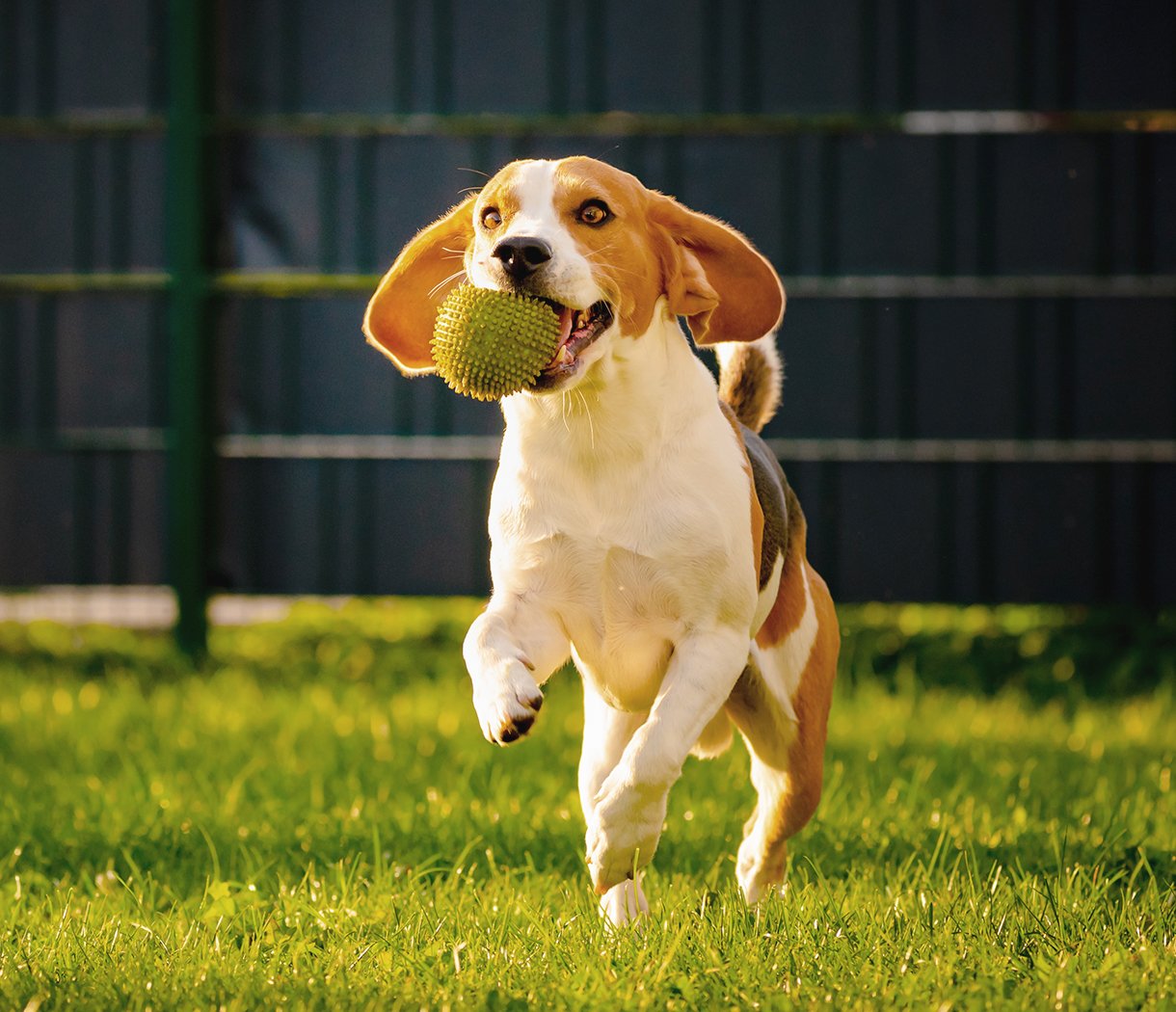
Dogs have naturally active lifestyles. Running, jumping, playing, and daily movement place continuous demands on their muscles and joints. Younger dogs may experience temporary muscle fatigue after intense activity, while senior dogs may need additional support for maintaining comfortable movement.
Traditional cold methods, such as ice packs, may not always provide convenient targeted application. Localized cryotherapy offers a more focused approach by allowing cooling technology to be directed toward specific areas.
Many pet owners are becoming interested in wellness solutions that are simple, non-invasive, and easy to integrate into regular pet care routines. CO₂ Cryotherapy fits into this trend by providing a modern option for supporting overall pet comfort.
2. CO₂ Cryotherapy for Active Dogs and Exercise Recovery
Active dogs often participate in activities that require strength, flexibility, and endurance. Whether they enjoy hiking, agility training, running, or regular outdoor play, maintaining physical comfort is an important part of supporting an active lifestyle.
2.1 Supporting Muscle Comfort After Physical Activity
Exercise places repeated demands on canine muscles. After extended activity, dogs may experience temporary muscle fatigue or stiffness as their bodies adapt to physical stress.
CO₂ Cryotherapy provides targeted cold exposure that may support normal recovery processes in specific areas. The cooling effect can create a localized physiological response, including temporary vasoconstriction followed by a natural blood flow response when tissues return to normal temperature.
For active dogs, localized cold therapy can become part of a broader wellness routine that includes proper nutrition, hydration, rest, and regular movement.
2.2 CO₂ Cryotherapy for Sporting and Working Dogs
Sporting and working dogs often perform activities that require higher levels of physical performance. Dogs involved in training, competitions, farm activities, or service roles may experience repeated stress on muscles and joints.
Localized cryotherapy allows attention to specific body regions that receive frequent physical demands. Areas such as legs, shoulders, hips, and other muscle groups may benefit from targeted cold therapy as part of a recovery-focused routine.
CO₂ Cryotherapy does not replace professional veterinary care, but it can serve as a complementary wellness approach for supporting comfort in dogs with active lifestyles.
3. CO₂ Cryotherapy for Aging Dogs and Mobility Support
As dogs age, changes in activity levels and movement patterns become common. Many senior dogs require additional attention to maintain comfort and continue enjoying daily activities.
3.1 Supporting Joint Comfort in Senior Dogs
Older dogs may experience changes in joint flexibility and movement ability over time. Daily activities such as walking, climbing stairs, or standing for longer periods may become more challenging.
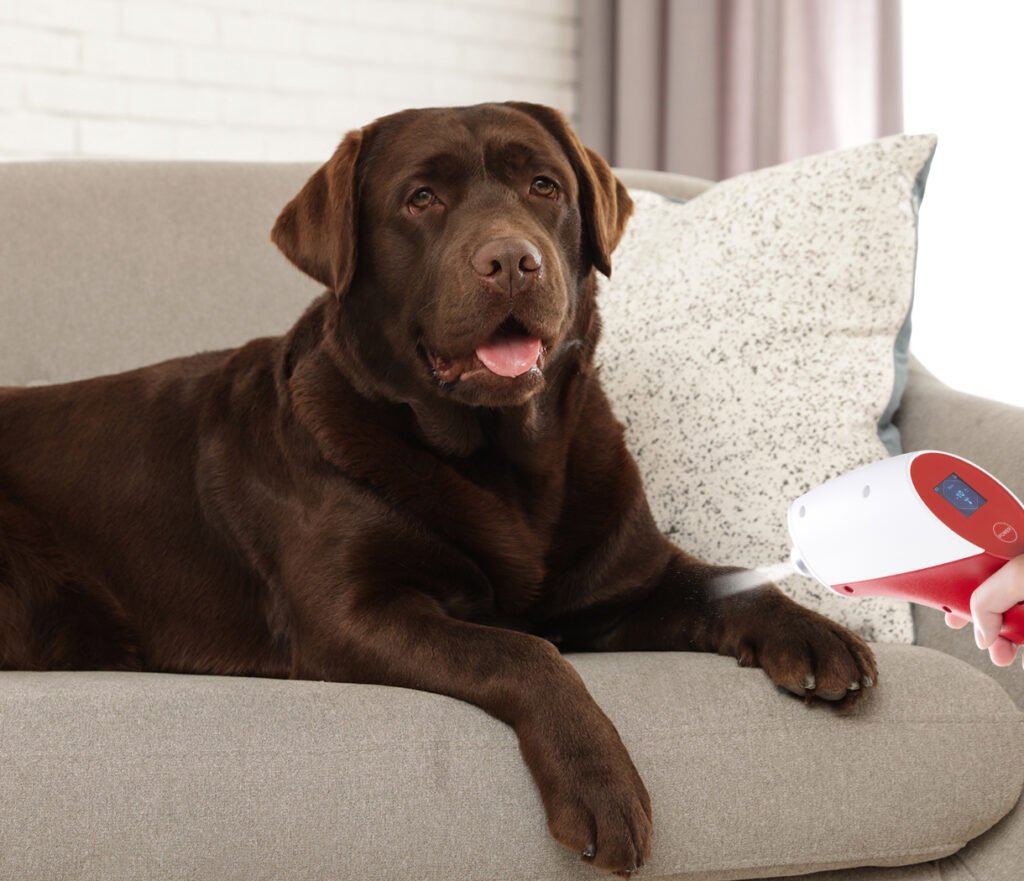
CO₂ Cryotherapy can be used as part of a wellness routine focused on supporting joint comfort. The targeted cooling process may help create a soothing sensation around areas that experience everyday stress.
For senior dogs, maintaining mobility involves many factors, including appropriate exercise, healthy weight management, veterinary guidance, and supportive care practices. Localized cryotherapy can complement these approaches by providing additional comfort support.
3.2 Cold Therapy for Dogs With Reduced Activity Levels
Some older dogs naturally become less active due to lifestyle changes or physical limitations. Reduced movement can affect muscle condition and overall daily comfort.
CO₂ Cryotherapy offers a gentle, non-invasive approach that may help support relaxation and comfort in specific areas. Because the treatment focuses on localized cooling, pet owners can consider targeted application based on their dog’s individual needs.
Creating a comfortable environment and maintaining appropriate activity levels remain important parts of senior pet wellness. Cold therapy can be included as one element of a broader care routine.
4. How CO₂ Cryotherapy Fits Into Modern Pet Wellness Routines
Pet wellness has evolved beyond basic nutrition and exercise. Many pet owners now explore supportive technologies that can complement traditional care practices and help maintain their pets’ overall comfort. CO₂ Cryotherapy represents one of these modern approaches by combining targeted cold exposure with convenient application.
4.1 The Role of Localized Cryotherapy in Daily Pet Care
A complete pet wellness routine often includes regular physical activity, balanced nutrition, grooming, and monitoring changes in behavior or movement. Adding supportive technologies such as localized cryotherapy can provide another option for owners who want to focus on their pets’ comfort.
CO₂ Cryotherapy works by delivering controlled cold stimulation to specific body areas. This targeted approach allows attention to muscles, joints, and soft tissues that experience everyday physical demands.
For dogs that enjoy outdoor activities or require additional support as they age, localized cryotherapy can become part of a personalized wellness routine. The goal is not to replace veterinary recommendations but to provide an additional method for supporting everyday comfort.
4.2 Advantages of Targeted CO₂ Cooling Compared With Traditional Cold Methods
Traditional cold applications, such as ice packs, have been commonly used for general cooling purposes. However, they may not always provide precise application or convenient handling, especially when working with active pets.
CO₂ Cryotherapy uses cryogenic carbon dioxide to create rapid and controlled cooling in selected areas. This allows users to focus on specific body regions while maintaining a more structured approach to cold therapy.
The targeted nature of localized cryotherapy makes it suitable for wellness environments where precision, convenience, and comfort are important considerations. For pet owners and professionals, this technology provides another option for supporting modern animal care routines.
5. Choosing CO₂ Cryotherapy as Part of a Dog’s Comfort Management Plan
Every dog has unique needs based on age, activity level, lifestyle, and physical condition. Understanding how CO₂ Cryotherapy fits into an overall wellness plan helps owners make informed decisions about supportive care options.
5.1 Factors to Consider Before Using CO₂ Cryotherapy for Dogs
Before introducing any new wellness technology, pet owners should consider their dog’s age, activity habits, and individual comfort needs. Different dogs may respond differently to cold exposure, so observing their reactions and following recommended guidelines is important.
CO₂ Cryotherapy should always be used appropriately and as part of responsible pet care. Professional veterinary advice remains an important resource, especially when dogs show noticeable changes in movement, behavior, or overall condition.
When used correctly, localized cryotherapy can be a supportive addition to routines designed around mobility, relaxation, and physical wellness.
5.2 Creating a Comfortable Cold Therapy Experience for Pets
Dogs respond differently to new experiences. Some pets may quickly adapt to new wellness routines, while others may need time to become comfortable with unfamiliar sensations.
A positive experience often depends on a calm environment, proper handling, and gradual introduction. CO₂ Cryotherapy sessions should focus on maintaining pet comfort while applying targeted cold therapy in suitable areas.
For many pet owners, the value of modern cryotherapy technology comes from its ability to provide another convenient option for supporting their dog’s wellness journey.
PREGUNTAS FRECUENTES
What is CO₂ Cryotherapy for dogs?
CO₂ Cryotherapy is a localized cold therapy method that uses cryogenic carbon dioxide to provide targeted cooling to selected areas.
Can CO₂ Cryotherapy be used for senior dogs?
Many pet owners explore localized cryotherapy as part of senior dog wellness routines to support comfort and mobility.
Is CO₂ Cryotherapy only for active dogs?
No. Both active dogs and aging pets may benefit from supportive cold therapy routines based on their individual needs.
How does CO₂ Cryotherapy work?
CO₂ Cryotherapy creates controlled cooling that may influence local physiological responses and support tissue comfort.
Can CO₂ Cryotherapy replace veterinary care?
No. CO₂ Cryotherapy is a supportive wellness approach and should not replace professional veterinary evaluation or recommendations.
Conclusión
CO₂ Cryotherapy provides a modern localized cold therapy option for dog owners who want to support their pets’ comfort, mobility, and active lifestyles. From energetic dogs that enjoy frequent exercise to senior pets that need additional wellness support, targeted cryogenic carbon dioxide cooling can become part of a broader pet care routine. By combining responsible pet care, regular activity, and supportive technologies such as localized cryotherapy, owners can explore new ways to maintain their dogs’ overall well-being and daily comfort.
Referencias
Photobiomodulation and Physical Therapy: Mechanisms and Clinical Applications
https://www.ncbi.nlm.nih.gov/pmc/articles/PMC4743666
Cryotherapy in Rehabilitation and Sports Medicine: Current Concepts
https://www.ncbi.nlm.nih.gov/pmc/articles/PMC3781875
Cold Therapy and Its Effects on Inflammation and Tissue Response
https://www.ncbi.nlm.nih.gov/pmc/articles/PMC5025014
Canine Rehabilitation and Physical Therapy: Principles and Applications
https://www.sciencedirect.com/science/article/pii/B9780323049020500170
Veterinary Rehabilitation and Physical Medicine: Supporting Animal Mobility
https://www.vetfolio.com/learn/article/physical-rehabilitation-for-dogs-and-cats