Einführung
Baseball catchers face unique physical demands throughout a long season. Repeated deep squats, quick movements behind home plate, explosive throws, and frequent transitions from crouching to standing can place considerable stress on the knees and hips. Over time, these demands may contribute to soreness, stiffness, and reduced comfort during practice or games. CO₂ cryotherapy is one localized cooling approach that sports medicine and rehabilitation professionals may consider when managing certain types of musculoskeletal discomfort. By understanding how this technology works, what it may offer, and where its limitations lie, catchers, coaches, and athletic trainers can make more informed decisions about incorporating localized cooling into a broader recovery plan.
1. Why Baseball Catchers Experience Knee and Hip Discomfort
1.1 Repeated Squatting and Knee Stress
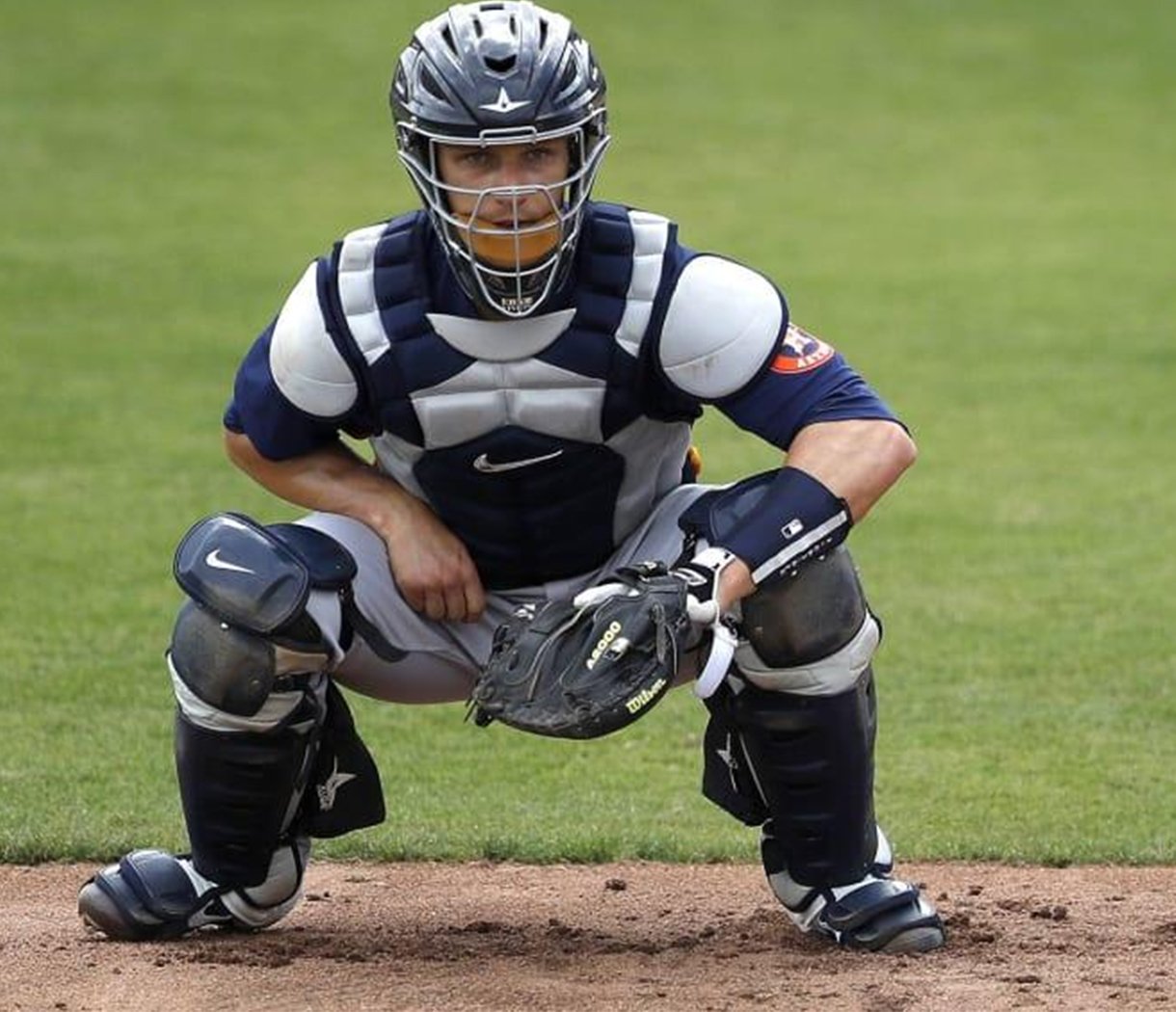
Unlike most other players on the field, catchers spend much of a game in a deep squat. They repeatedly lower their bodies to receive pitches, rise to make throws, and shift their weight to block balls. These movements place substantial demands on the knee joint, particularly the structures around the kneecap, known as the patellofemoral joint. Research on baseball biomechanics has highlighted the repeated deep-squat position as a source of mechanical loading for catchers. Over a long season, some players may notice discomfort at the front of the knee, stiffness after games, or soreness when squatting again during practice.
1.2 Hip Mobility and Repeated Transitions
The hips play an important role in helping catchers maintain a stable crouch, shift laterally, and generate force when throwing to a base. Limited hip mobility or fatigue around the hip and groin can make these movements less comfortable. Catchers also repeatedly transition between deep flexion and standing, placing changing demands on the hip muscles and surrounding soft tissues. For younger players who catch and pitch, hip mobility may also influence the mechanics of throwing from a squat. However, hip discomfort can have several causes, so persistent pain should not automatically be attributed to tight muscles or ordinary training fatigue.
1.3 Why Discomfort Can Build During a Long Season
A single game may feel manageable, but repeated practices, tournaments, travel, and consecutive games can leave less time for recovery. Catchers may continue playing while experiencing mild soreness, making it difficult to distinguish normal post-activity discomfort from an emerging injury. Protective equipment, playing surface, training volume, movement technique, and individual conditioning can all influence physical demands. Recognizing changes early—such as increasing pain, reduced squat depth, or difficulty rising from a crouch—can help players and coaches respond before symptoms interfere further with performance.

2. Understanding CO₂ Cryotherapy for Muscle and Joint Discomfort
2.1 What Is CO₂ Cryotherapy?
CO₂ cryotherapy is a form of localized cooling that uses pressurized carbon dioxide gas to rapidly cool a selected treatment area. Unlike whole-body cryotherapy, it focuses on a specific region rather than exposing the entire body to a cold environment. Depending on the equipment and application, cooling may temporarily influence sensory nerve activity and the perception of pain. This makes localized cryotherapy a potential supportive option for selected types of musculoskeletal discomfort. However, the response varies between individuals, and temporary pain relief does not necessarily mean that an underlying injury has healed.
2.2 How Localized Cooling May Affect Pain
Cold exposure can temporarily slow sensory nerve conduction and reduce the perception of discomfort. Local cooling may also influence blood flow near the treated area. These effects help explain why cooling methods are sometimes used to manage symptoms following physical activity or certain minor soft-tissue injuries. Nevertheless, different cooling methods do not produce identical effects. Evidence relating to traditional ice packs, cold-water immersion, or other cryotherapy approaches cannot automatically establish the effectiveness of every CO₂ device for catcher-related knee or hip discomfort.
2.3 What Does the Evidence Tell Us?
Sports medicine research recognizes that catchers face specific mechanical demands, particularly around the knees and hips. However, evidence about the physical demands of catching is different from evidence that a particular treatment improves symptoms or speeds recovery. While localized cooling may help some people manage discomfort in the short term, more condition-specific research is needed to determine the effectiveness of CO₂ cryotherapy for baseball catchers. It should therefore be considered a possible addition to a recovery plan, not a proven method of preventing injury, repairing damaged tissue, or ensuring a faster return to play.
3. How CO₂ Cryotherapy May Fit Into a Catcher’s Recovery Routine
3.1 Managing Knee Discomfort After Games
After a demanding game, catchers may experience tenderness around the front of the knee or general soreness after repeated squatting and rising. When a healthcare professional determines that localized cooling is appropriate, CO₂ cryotherapy may be considered as one option for temporary symptom management. The goal is to help manage discomfort rather than to mask pain so that a player can immediately return to strenuous activity. If knee pain repeatedly returns during squatting, worsens over time, or affects walking and normal movement, the player should receive an appropriate assessment instead of relying on cooling alone.
3.2 Addressing Hip and Groin Discomfort
Hip and groin discomfort can arise from several sources, including muscle strains, tendon-related problems, joint conditions, or limitations in mobility. Catchers may notice symptoms when lowering into a crouch, rotating the body to throw, or rising after a long inning. Localized cooling may offer temporary comfort in some circumstances, but it cannot identify the underlying cause or restore hip mobility on its own. A suitable plan may also involve a clinical assessment, activity modification, and exercises selected by a qualified healthcare professional. Sharp groin pain, significant weakness, or restricted movement deserves particular attention.
3.3 Why Cooling Should Not Replace Recovery Fundamentals
Cryotherapy is only one part of managing the physical demands of a baseball season. Catchers also need adequate recovery time, appropriate conditioning, sound movement mechanics, and well-fitted protective equipment. A structured warm-up, gradual increases in training load, and mobility and strengthening work tailored to the player can support overall preparation. Coaches and athletic trainers should also monitor changes in performance and encourage players to report symptoms early. Reducing discomfort alone does not confirm that the knee or hip is ready for another game.
4. LocalCryotherapy Technology for Targeted Cooling
4.1 Understanding the CO₂ Cryotherapy Device
LocalCryotherapy features a human-use CO₂ cryotherapy device designed to deliver pressurized carbon dioxide gas to a targeted area. Its published product information specifies CO₂ gas at approximately −78°C at the source, along with red-laser-assisted targeting and real-time temperature monitoring. The device is intended to support localized application, allowing trained operators to focus on a selected region rather than cooling a broad area indiscriminately. These specifications describe the equipment and its cooling process; they do not establish that a particular treatment will resolve knee pain, hip pain, or a sports injury.
4.2 The Role of Red-Laser Targeting and Temperature Monitoring
Accurate application matters when working with a localized cooling device. LocalCryotherapy’s red-laser targeting feature helps the operator identify the intended treatment area, while its temperature-monitoring system provides information about cooling conditions during use. Together, these features are designed to support more controlled application when the device is used according to its instructions and by appropriately trained personnel. However, a visible targeting point does not diagnose an injury, and temperature monitoring does not guarantee that every treatment is suitable for every individual. Proper assessment, technique, and safety procedures remain essential.
4.3 Why Professional Guidance Matters for Athletes
Catchers may be eager to reduce discomfort between games, especially during playoffs or tournament schedules. However, the correct approach depends on the nature of the symptoms, the player’s medical history, and the device’s intended use. A sports medicine professional or qualified athletic trainer can help determine whether localized cooling is appropriate and whether further assessment is needed. Particular care is important for young athletes, players with reduced skin sensation or circulation problems, and anyone who reacts unusually to cold. The manufacturer’s instructions should always guide device operation, including application distance, treatment duration, and safety precautions.
5. Managing Knee and Hip Discomfort Throughout the Season
5.1 Recognizing When Soreness May Indicate an Injury
Mild soreness after a demanding game may improve with appropriate rest and reduced loading. However, persistent or worsening pain, noticeable swelling, knee locking, a feeling that the joint is giving way, or difficulty bearing weight can indicate a problem that requires medical evaluation. Hip or groin pain that limits movement should also be assessed rather than repeatedly treated with cooling. For youth players, coaches and parents should take recurring pain seriously, even when the athlete wants to remain in the lineup. Returning to play should depend on recovery and appropriate professional guidance, not simply on whether pain temporarily decreases.
5.2 Building a More Sustainable Recovery Plan
A season-long recovery strategy should address both immediate discomfort and the demands that contribute to it. Catchers can work with coaches and athletic trainers to monitor training volume, improve movement efficiency, and maintain suitable hip and lower-body strength and mobility. Adequate rest between demanding sessions and properly fitted protective equipment can also support safer participation. If localized CO₂ cryotherapy forms part of the plan, it should complement these measures rather than replace them. Consistent symptom monitoring can help the team recognize when a player needs modified activity or a more detailed assessment.
FAQ
Can CO₂ cryotherapy help with knee discomfort in baseball catchers?
It may offer temporary relief from certain types of localized discomfort, but evidence specifically involving baseball catchers is limited. Persistent or recurring knee pain should be evaluated by a healthcare professional.
Is CO₂ cryotherapy suitable for hip and groin discomfort?
It may be considered in selected circumstances, depending on the cause of the symptoms. Because hip and groin pain can have several underlying causes, assessment is important before choosing a treatment approach.
How does LocalCryotherapy’s device target the affected area?
The device uses pressurized CO₂ gas for localized cooling, with red-laser-assisted targeting and real-time temperature monitoring. These features support application and monitoring but do not guarantee a particular clinical outcome.
Can cryotherapy help a catcher return to play faster?
Not necessarily. Cooling may reduce the perception of discomfort, but that does not establish that an injury has healed or that the player is ready to return. Return-to-play decisions should follow appropriate assessment and recovery criteria.
Should young catchers use CO₂ cryotherapy for recurring knee pain?
Recurring knee pain in young athletes should not be managed with cooling alone. A qualified healthcare professional should assess the symptoms and help determine appropriate treatment and activity modifications.
Schlussfolgerung
Baseball catchers place repeated demands on their knees and hips through deep squatting, rapid transitions, and frequent throwing throughout a long season. Understanding these demands and responding to discomfort early can help players and coaches make more informed recovery decisions. CO₂ cryotherapy offers a localized cooling approach that may help manage certain symptoms, while LocalCryotherapy’s device combines pressurized CO₂ delivery with red-laser targeting and real-time temperature monitoring. These technical features do not guarantee injury recovery or improved performance. When used appropriately under suitable professional guidance, localized cooling may be considered alongside conditioning, activity management, adequate rest, and medical assessment when needed. For catchers at every level, protecting long-term joint health is more important than temporarily masking pain to stay in the lineup.
Referenzen
1. Baseball and Softball Injury Prevention — American Academy of Orthopaedic Surgeons
https://www.orthoinfo.org/staying-healthy/baseball-injury-prevention
2. The Effects of Knee Support on the Sagittal Lower-Body Joint Kinematics and Kinetics of Deep Squats
https://pubmed.ncbi.nlm.nih.gov/30446216
3. Editorial Commentary: Baseball Catchers Who Throw From a Squatted Position May Reduce Medial Elbow Torque by Stretching Exercise to Increase Passive Internal Rotation of the Throwing-Side Hip
https://pubmed.ncbi.nlm.nih.gov/35369917
4. Hip and Groin Injuries in Baseball Players: A Review of the Literature
https://pmc.ncbi.nlm.nih.gov/articles/PMC5825336
5. Cryotherapy Machine for Humans — LocalCryotherapy
https://www.localcryotherapy.com/cryotherapy-machine-product-list/cryotherapy-machine-for-human