مقدمة
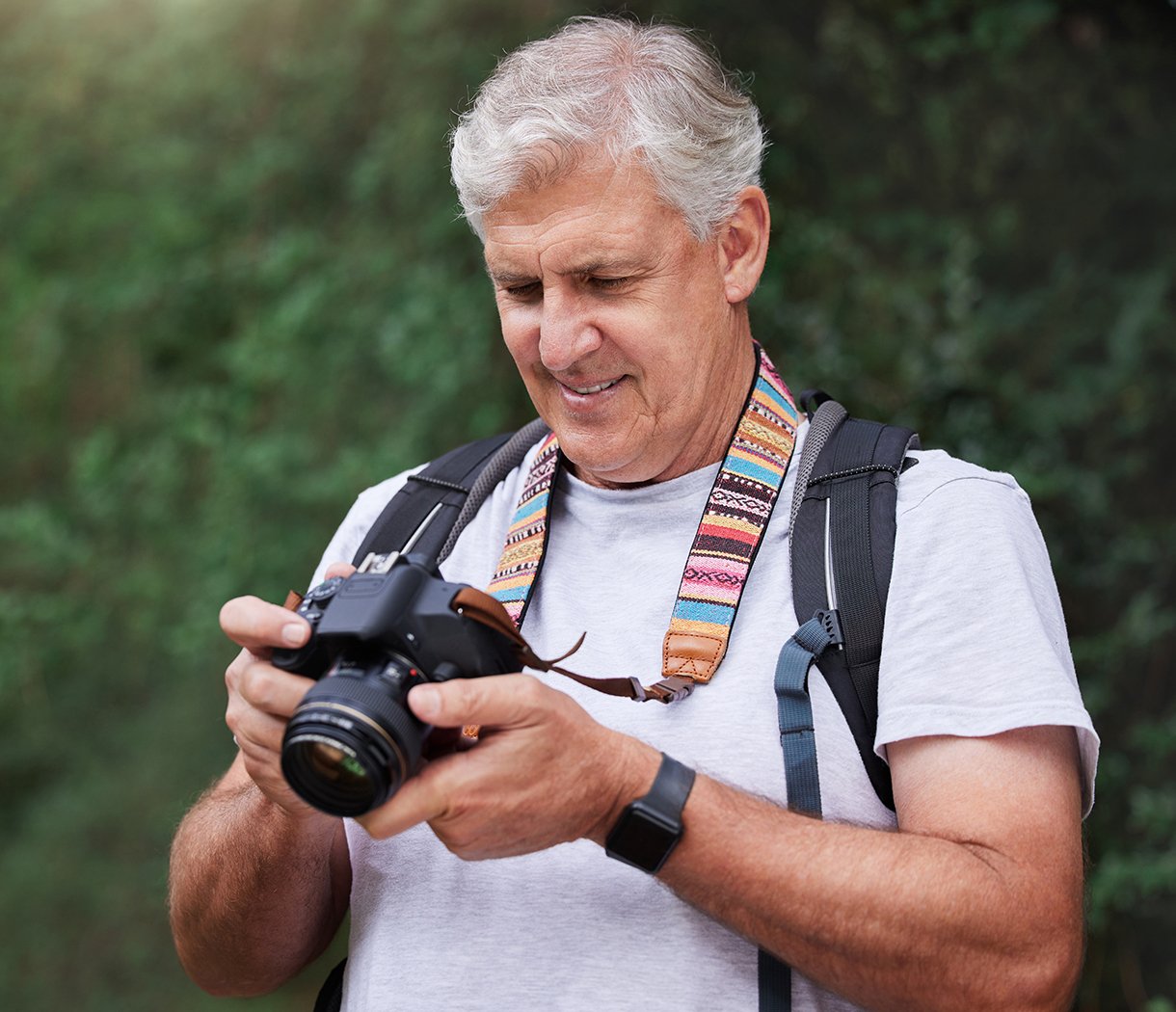
For many retirees, photography is more than a hobby. It is a way to stay engaged, capture memories, and share a passion decades in the making. Yet with age comes change. The shoulder that once lifted heavy equipment with ease now aches after a short walk with a camera. Holding a lens steady for a landscape shot brings a dull, persistent discomfort that was never there before. The rotator cuff, tendons, and cartilage all undergo gradual wear over time. Joints do not move as freely as they once did. For retired photography enthusiasts, these changes can create a frustrating gap between the desire to pursue the hobby and the physical comfort needed to enjoy it. CO₂ cryotherapy offers a non-invasive, drug-free approach that may help manage age-related shoulder strain, allowing photographers to keep their lenses steady and their passion alive.
1. Understanding the Retired Photographer‘s Shoulder
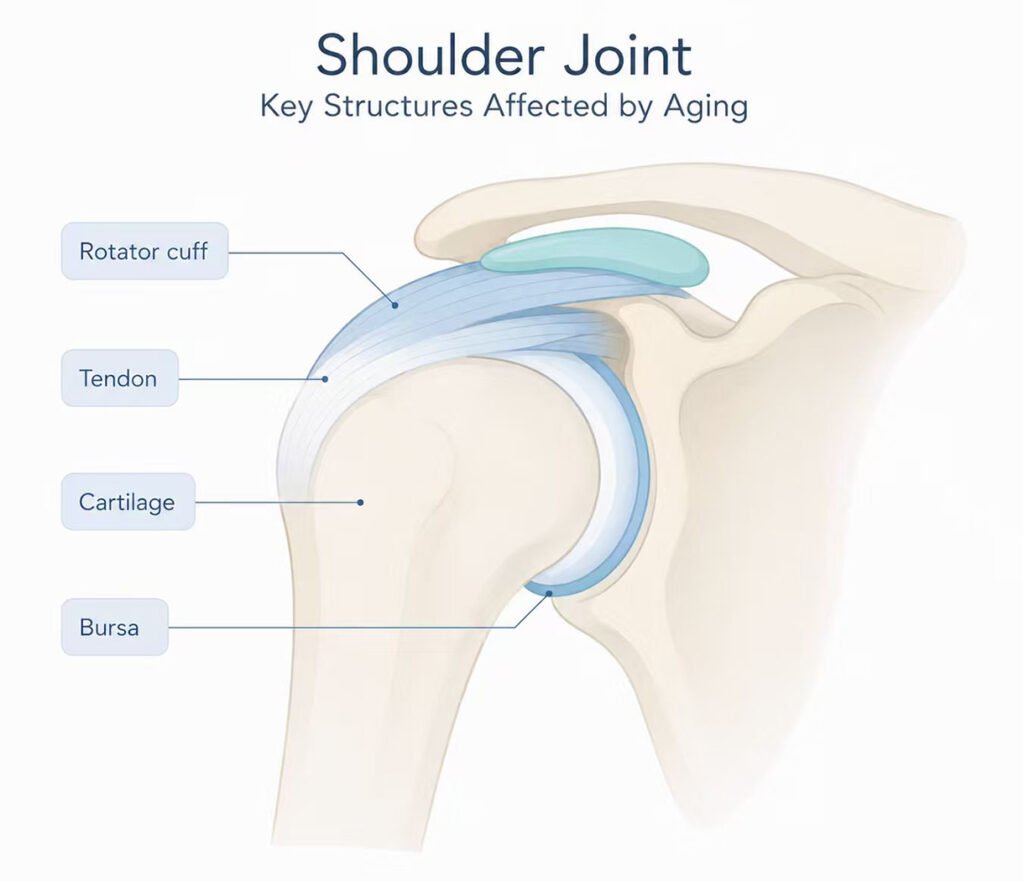
The shoulder is the most mobile joint in the human body. Its wide range of motion makes it uniquely suited for the varied movements involved in photography, lifting, rotating, steadying, and adjusting. However, this mobility comes at a cost. The shoulder relies heavily on the rotator cuff, a group of four muscles and tendons, to provide stability. With age, these structures undergo significant changes.
1.1 The Degenerative Changes of Aging
As the years pass, the tendons of the rotator cuff become less elastic and more prone to irritation. The cartilage that cushions the joint may thin. The space within the shoulder joint can narrow, increasing the risk of impingement. These changes are not the result of a single injury but of cumulative, low-grade stress over a lifetime. For someone who has spent decades raising a camera to their eye, the shoulder has experienced countless repetitions of similar movements. Each lift, each twist, each hold has placed a small demand on the rotator cuff and the surrounding bursa. Over time, these small demands add up.
1.2 Why Photography Places Strain on the Aging Shoulder
Even in retirement, photography involves sustained postures. Holding a camera at eye level requires the shoulder to maintain a position of flexion and slight abduction. This position places the rotator cuff tendons in a vulnerable state, particularly the supraspinatus tendon. The weight of the camera, even a lightweight mirrorless model, adds a constant load that the shoulder must resist. For someone whose shoulder tissues have already undergone age-related changes, this sustained load can lead to microtrauma, inflammation, and discomfort. The pain is often felt on the front or outside of the shoulder. It may worsen with overhead activity or when lying on the affected side at night. These are classic signs of rotator cuff tendinopathy or subacromial bursitis, conditions that become more common with advancing age.
1.3 The Emotional Toll of Physical Limitation
Beyond the physical discomfort, shoulder strain can carry an emotional weight. Photography is often a source of joy, connection, and purpose in retirement. When physical limitations begin to interfere with this activity, the loss can feel significant. A photographer who cannot comfortably hold a camera for more than a few minutes may find themselves hesitating before a beautiful scene. They may avoid certain types of photography that require longer periods of holding or more awkward angles. The frustration of wanting to create but being held back by the body is a common and often unspoken experience among older photography enthusiasts.
2. How CO₂ Cryotherapy Addresses Shoulder Strain
CO₂ cryotherapy offers a targeted approach to managing the inflammation and discomfort associated with age-related shoulder strain. Unlike traditional ice packs, which cool unevenly and can be messy, CO₂ cryotherapy uses pressurized carbon dioxide gas delivered through a specialized applicator. This method provides rapid, dry, and precise cooling to the affected area.
2.1 Rapid Cooling and Vasoconstriction
When the cold CO₂ gas contacts the skin over the shoulder, it rapidly lowers the temperature of the underlying tissues. This rapid cooling triggers vasoconstriction, the narrowing of blood vessels. Vasoconstriction reduces blood flow to the area, which helps limit the accumulation of inflammatory fluid and decreases local swelling. For an irritated rotator cuff tendon or an inflamed bursa, this reduction in fluid can provide meaningful relief from pain and pressure. The cooling effect is intense but brief, and the applicator moves continuously to avoid prolonged exposure to any single spot.
2.2 Reducing Inflammation and Modulating Pain
The cold stimulus from CO₂ cryotherapy also influences the inflammatory environment at the cellular level. Cold exposure can reduce the activity of pro-inflammatory mediators, helping to calm the inflammatory response that often accompanies chronic shoulder conditions. This modulation of inflammation is not about eliminating the body’s healing response but about helping it stay within a manageable range. At the same time, the cold slows nerve conduction, providing a temporary analgesic effect. This combination of reduced inflammation and pain modulation can make a meaningful difference for a photographer who wants to continue enjoying their hobby without relying on medication.
2.3 Enhancing Circulation and Supporting Tissue Recovery
One of the key advantages of CO₂ cryotherapy over traditional cold packs is the rebound effect that follows the cooling phase. After the cold stimulus ends, the blood vessels undergo a phase called reactive hyperemia, where they dilate more widely than before. This rebound effect brings a surge of oxygen-rich blood and nutrients to the treated tissues. For a shoulder that has experienced chronic low-grade inflammation, this enhanced circulation can support cellular repair and help clear metabolic waste products that accumulate in stressed tissues. Unlike prolonged ice application, which can reduce blood flow for extended periods, CO₂ cryotherapy’s brief exposure followed by reactive hyperemia may offer a more favorable balance for tissue recovery.
3. What a Retired Photography Enthusiast Can Expect
For someone considering CO₂ cryotherapy for shoulder strain, understanding the typical course of treatment helps set realistic expectations.
3.1 The Treatment Experience
A localized CO₂ cryotherapy session targeting the shoulder lasts only a few minutes. The photographer remains fully clothed, with the applicator directed at the bare skin of the shoulder area. Most people describe the sensation as intensely cold but not painful, a dry, tingling cold that passes quickly as the applicator moves. Unlike ice packs, CO₂ cryotherapy leaves no moisture behind, so there is no dripping or wet clothing to contend with. The brief duration and lack of mess make it a practical option for someone who may already feel pressed for time.
3.2 Frequency and Consistency
The benefits of CO₂ cryotherapy for age-related shoulder strain are often cumulative. A single session may provide temporary relief, but consistent use over several weeks tends to produce more noticeable improvements. Many practitioners recommend a series of sessions, with the exact frequency depending on individual needs and responses. For a retired photographer who wants to manage their shoulder discomfort without interrupting their hobby, incorporating cryotherapy into a regular routine can be a valuable strategy. The effects are not permanent, so maintenance sessions may be helpful for ongoing support.
3.3 Combining with Other Self-Care Measures
CO₂ cryotherapy works most effectively when combined with other simple strategies that support shoulder health. Gentle stretching of the rotator cuff and shoulder capsule can help maintain mobility. Using a camera strap that distributes weight across the body rather than concentrating it on one shoulder can reduce strain. Taking frequent breaks during photography outings, even for a minute or two, allows the shoulder tissues to rest. These small adjustments, when paired with the tissue-level support of cryotherapy, can help photographers continue their craft with greater comfort.
4. Long-Term Strategies for Shoulder Health
Managing age-related shoulder strain is not about eliminating all discomfort but about maintaining the ability to enjoy activities that matter. For retired photography enthusiasts, this means keeping the shoulder as healthy and functional as possible for as long as possible.
4.1 Gentle Strengthening and Mobility Work
Strong muscles around the shoulder provide better support for the joint and can reduce the load on the rotator cuff tendons. Simple exercises, performed without pain, can help maintain shoulder health. External rotation exercises with a light resistance band can strengthen the infraspinatus and teres minor. Scapular retraction exercises can improve posture and reduce the strain on the front of the shoulder. These exercises should be introduced gradually and stopped if they cause sharp pain.
4.2 Attention to Ergonomics
The way a camera is held can make a difference in shoulder strain. Using a camera with good ergonomics, such as a comfortable grip and balanced weight distribution, can reduce the effort required to hold it steady. A neck strap or a sling strap that distributes weight across the back can take the load off the shoulder. For photographers who use longer lenses, a monopod or tripod can provide support and reduce the need for sustained holding. These adjustments are not about giving up the hobby but about adapting it to the body’s changing needs.
4.3 Listening to the Body
One of the most valuable habits for any photographer is paying attention to early signs of discomfort. A mild ache that resolves after a short break may not require intervention, but pain that persists or worsens deserves attention. Addressing symptoms early, with rest, gentle movement, and supportive measures like cryotherapy, can often prevent a minor irritation from becoming a more significant limitation.
الأسئلة الشائعة
Q1: Is CO₂ cryotherapy painful for shoulder strain?
Most photographers describe a very cold sensation that is intense but not painful. The applicator moves continuously, so no single spot stays cold for more than a moment.
Q2: How many sessions does a photographer typically need?
The number varies. Some people notice improvement after a few sessions, while others benefit from a longer series. A typical supportive protocol may include two to three sessions per week over several weeks.
Q3: Can I continue photography during treatment?
Yes. Most photographers continue their hobby during treatment, though taking breaks and using supportive equipment can help reduce strain during the recovery period.
Q4: How soon after a session will I feel less shoulder discomfort?
Many photographers notice reduced tightness and soreness within minutes after a session. The analgesic effects begin quickly, while deeper tissue recovery continues over the following hours.
Q5: Will CO₂ cryotherapy prevent shoulder injuries from returning?
Cryotherapy helps manage existing symptoms and supports tissue recovery. However, maintaining good ergonomics, regular gentle exercise, and attention to early warning signs remain important for long-term shoulder health.
الخاتمة
The retirement years offer a chance to pursue passions that may have been set aside during a busy career. For many, photography is one of those passions. The desire to capture beautiful images and share them with others does not fade with age, but the body does change. The shoulder that once held a camera without effort may now protest after a short outing. This does not mean the hobby must end. It means the approach must adapt. CO₂ cryotherapy offers a non-invasive, drug-free way to manage the age-related shoulder strain that can interfere with photography. By reducing inflammation, improving circulation, and supporting tissue recovery, the therapy can help photographers keep their lenses steady and their passion alive. When combined with gentle exercise, sensible ergonomics, and attention to early warning signs, CO₂ cryotherapy may help retired photography enthusiasts continue doing what they love for many years to come.
المراجع
CO₂ Cryotherapy for Rotator Cuff Injuries and Shoulder Pain
https://www.localcryotherapy.com/co₂-cryotherapy-for-rotator-cuff-injuries-and-shoulder-pain
CO₂ Cryotherapy for Seniors: Stay Active and Pain-Free
https://www.localcryotherapy.com/cryotherapy-for-seniors-stay-active.html
How CO₂ Cryotherapy Can Help Address Inflammation from Hobbies
https://www.localcryotherapy.com/how-co₂-cryotherapy-can-help-address-inflammation-from-hobbies
CO₂ Cryotherapy for Surgeon Hand and Wrist Strain
https://www.localcryotherapy.com/co₂-cryotherapy-surgeon-wrist-strain.html
How CO₂ Cryotherapy Can Help Address Inflammation from Hobbies – French