مقدمة
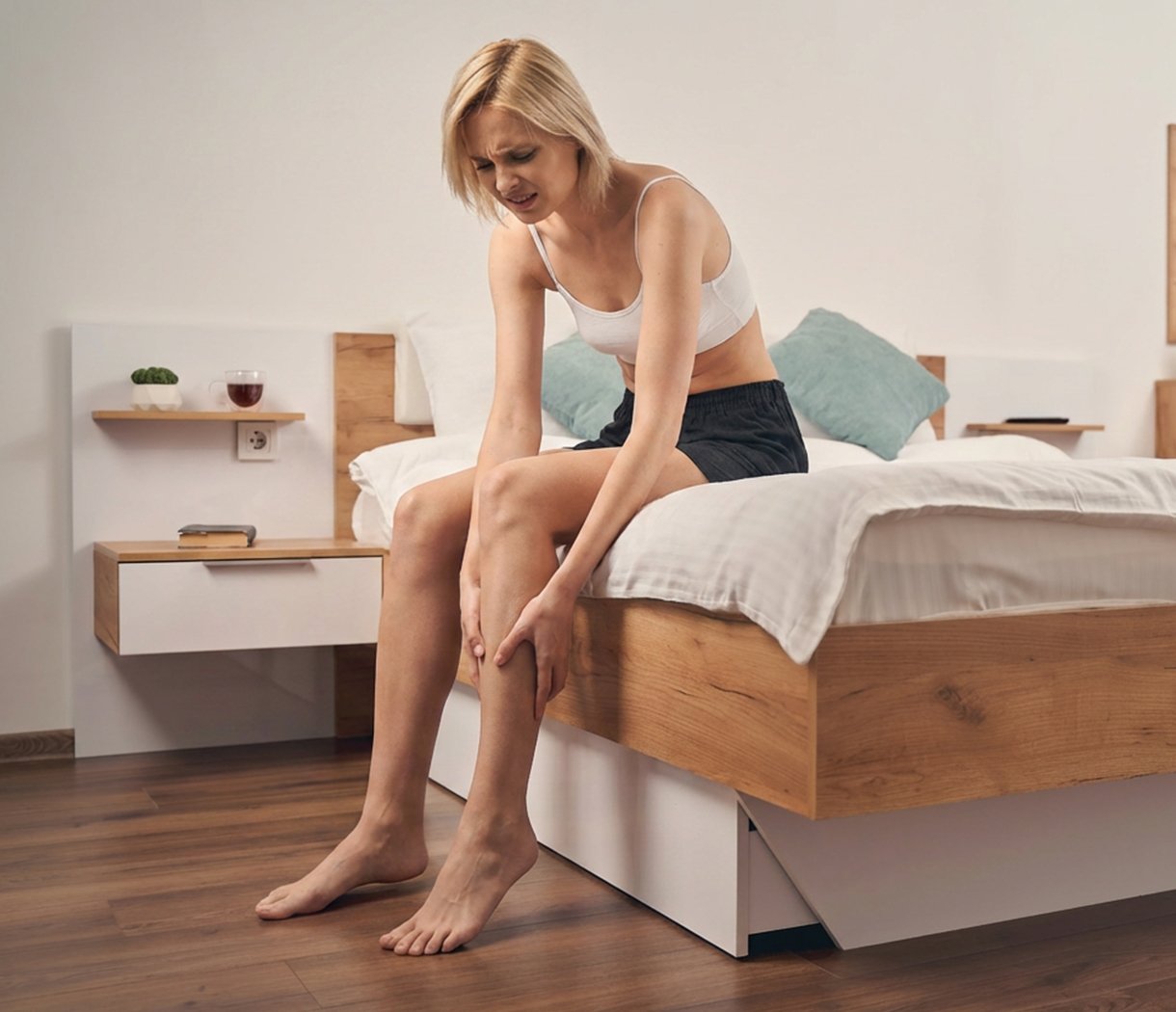
It happens without warning. You drift off to sleep, and suddenly, a jolt of pain shoots through your calf. Your foot points downward, your toes curl, and the muscle tightens into a knot. For millions of people, nighttime leg cramps are a recurring nightmare that shatters sleep and leaves behind residual soreness that lingers into the next day. While traditional remedies range from stretching and hydration to electrolyte supplements, a growing number of individuals are turning to localized CO₂ cryotherapy as a fast, non-invasive way to address both the acute spasm and the underlying muscle fatigue that triggers these episodes. This article explores how targeted CO₂ cold therapy works, the mechanisms that make it effective against nocturnal leg muscle spasms, and practical ways to integrate this treatment into your nighttime routine.
1. Understanding Nocturnal Leg Cramps
Nocturnal leg cramps are far more than an occasional nuisance. They represent a distinct physiological event involving sudden, involuntary muscle contractions that often wake people from deep sleep and leave residual pain that lasts for hours.
1.1 What Are Nocturnal Leg Cramps?
Nocturnal leg cramps (NLC) are painful, involuntary spasms that typically affect the calf muscles, though they can also involve the hamstrings or foot muscles. These episodes occur during rest or sleep, often jolting the individual awake with intense pain. The gastrocnemius and soleus muscles are most commonly involved. Unlike restless leg syndrome, which involves an urge to move rather than a painful contraction, leg cramps are characterized by visible muscle tightening and tenderness upon palpation. An episode can last anywhere from a few seconds to several minutes, and many sufferers experience residual stiffness or soreness for hours afterward.
1.2 Who Gets Nighttime Leg Cramps and Why
Older adults face the highest risk. Age‑related sarcopenia reduces muscle mass and strength, making fatigued muscles more prone to uncontrolled contractions. Neuromuscular control naturally diminishes with age, reducing coordination between nerves and muscle fibers. Electrolyte imbalances involving low magnesium, potassium, or calcium also play a role, often due to dietary insufficiencies, medications like diuretics and statins, or underlying health conditions. Pregnant individuals, particularly in the third trimester, also experience a high incidence of leg cramps. Prolonged immobility, dehydration, extended standing during the day, or even certain sleep positions can trigger episodes.
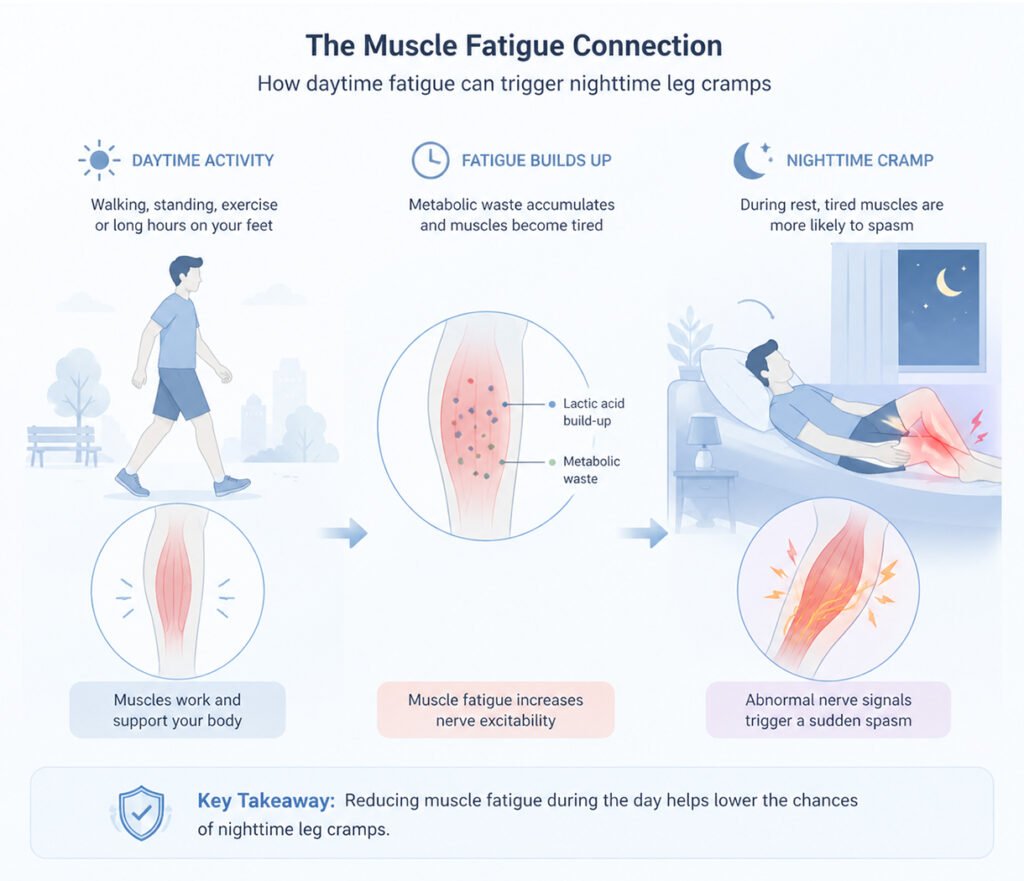
1.3 The Muscle Fatigue Connection
Most people who suffer from nocturnal leg cramps report that the leg in question felt unusually tired or overused during the day. This fatigue changes how the muscle motor unit responds to nerve signals. When a tired muscle relaxes at night, small yet uncontrolled electrical impulses sometimes trigger a sustained contraction of multiple motor units at once—a spasm. This means that reducing muscle fatigue during the day can directly lower the likelihood of cramps at night. This is precisely where localized CO₂ cryotherapy enters the picture, by addressing fatigue at its source before it triggers a nocturnal event.
2. CO₂ Cryotherapy: Mechanism and Targeted Cold Application
Understanding how cold therapy works at a physiological level makes it easier to appreciate why localized CO₂ cryotherapy has become a common method for muscle conditions.
2.1 How Localized CO₂ Cryotherapy Works
Unlike whole‑body cryotherapy chambers that expose the entire body to extreme cold, localized CO₂ cryotherapy focuses on specific areas such as the calf, hamstring, or foot. A device delivers pressurized carbon dioxide gas through a specially designed nozzle, rapidly lowering the temperature of the targeted tissue. The gas stream reaches temperatures as low as –78°C, yet the application lasts only seconds per site. This approach triggers a controlled thermal shock without risking frostbite or tissue damage. The precision of CO₂ delivery allows for consistent, repeatable cooling that traditional ice packs simply cannot match.
2.2 The Joule‑Thomson Effect and Rapid Cooling
The entire principle rests on the Joule‑Thomson effect. When liquid carbon dioxide under high pressure expands rapidly through a small opening, it instantly transforms into a cold gas, dropping the temperature so quickly that the skin surface cools to between 2°C and 4°C within seconds. This immediate cooling triggers a series of physiological responses that begin within the treated muscle. The speed and precision of CO₂ cryotherapy make it especially suitable for treating muscle‑related conditions where timing matters, such as immediately after a cramp episode or as a preventive measure before bedtime.
2.3 Vasoconstriction Followed by Vasodilation
The cold exposure first triggers vasoconstriction—blood vessels narrow, reducing blood flow to the treated area. This slows cellular metabolism and limits the spread of inflammation. Then, as the tissue rewarms naturally, reactive vasodilation occurs. Oxygen‑rich blood rushes back into the area, flushing out metabolic waste products such as lactic acid and inflammatory mediators. This two‑phase vascular response reduces the conditions that promote muscle hyperexcitability while simultaneously delivering the nutrients needed for repair. Unlike static ice application, CO₂ cold therapy produces this dynamic vascular response every time.
2.4 Modulation of Nerve Conduction and Muscle Relaxation
Cold from CO₂ cryotherapy slows nerve conduction velocity, particularly in small‑diameter pain fibers. This means pain signals travel more slowly from the muscle to the brain, providing immediate analgesic relief. Larger motor nerves remain less affected, so normal movement and muscle function are preserved. At the neuromuscular junction, cold exposure reduces the transmission of nerve impulses to the muscle fiber, effectively relaxing the muscle. This neuromuscular effect explains why cryotherapy is clinically recognized as an effective method for reducing muscle spasticity and spasms. The relaxation happens without any drugs and lasts long enough to help the calf muscle stay calm through the night.
3. CO₂ Cryotherapy and Muscle Spasms – Physiological Mechanisms
Understanding how cold works on muscle tissue helps you decide when and how to use CO₂ cryotherapy. The following three mechanisms explain why this method is so effective for nocturnal leg cramps.
3.1 How Cold Directly Stops an Ongoing Cramp
When the calf muscle has already entered an uncontrollable contraction, stopping that abnormal electrical discharge becomes the first priority. CO₂ cold airflow lowers the skin surface temperature to about 4°C within seconds, and this rapid cooling immediately changes the excitability of local nerve endings. The cold reduces the opening frequency of sodium ion channels, significantly delaying the generation and conduction of action potentials. For a burst of spastic electrical impulses that has already started, the cold acts as a strong interference signal, shifting the motor neurons from abnormal high‑frequency firing back to a normal rhythm. Within 30 seconds to one minute of application, the intensity and duration of the spasm usually drop noticeably, and the muscle begins to release.
3.2 Why Post‑Cramp Soreness Needs Cold Management
Even after the cramp stops, microscopic tissue damage and inflammation inside the muscle have just begun. During a spasm, the sustained strong contraction squeezes local capillaries, causing short‑term ischemia. When the cramp suddenly releases, a rush of blood flows back into the area, bringing along more inflammatory factors. This ischemia‑reperfusion process is exactly why the calf remains sore and tender for hours after a night cramp. Using CO₂ cryotherapy immediately after a cramp ends effectively slows down the oxidative stress that occurs during early reperfusion. The cold first triggers vasoconstriction, then gradually rewarming leads to vasodilation, allowing blood flow to return smoothly rather than surging suddenly. This approach significantly shortens the duration of post‑cramp discomfort, helping you walk normally and fall back asleep faster.
3.3 Clearing Daily Muscle Fatigue Before Bed
Most nighttime leg cramps trace back to accumulated local muscle fatigue during the day. Long hours of standing, excessive walking, or finishing a workout without proper cooldown all allow lactic acid and hydrogen ions to build up inside calf muscles, changing the excitation threshold of muscle fibers. A short CO₂ cryotherapy session before bed acts as a metabolic reset for the muscle. The cold exposure inhibits some enzyme activities involved in glycolysis, reducing further generation of metabolic waste. At the same time, during the rebound vasodilation phase, the improved circulation carries away already‑present lactic acid. This process does not weaken muscle strength; it simply brings the muscle from a high‑stress state back to normal resting levels. Many users find that after one week of consistent pre‑bed cryotherapy, the frequency of nighttime cramps drops by more than half.
4. Comparative Advantages Over Traditional Ice or Heat
Many people have tried ice packs for leg cramps and found them disappointing. Understanding why CO₂ therapy differs requires comparing the physiological effects of static cold versus dynamic cold exposure.
4.1 Traditional Ice Packs: Limitations
Standard ice packs cool the skin surface slowly and unevenly. Reaching an effective tissue temperature takes 15 to 30 minutes of continuous application, during which the skin may become uncomfortably cold while deeper muscle temperatures remain largely unchanged. Ice also reduces blood flow for an extended period, which can delay the removal of metabolic waste products once the ice is removed. Furthermore, many seniors or individuals with sensitive skin risk frostbite from prolonged direct ice contact. Static cold reduces inflammation but does not produce the reactive vasodilation phase that actively delivers oxygen and clears metabolic debris.
4.2 CO₂ Cryotherapy: Dynamic Cooling
Localized CO₂ cryotherapy cools the skin from approximately 32°C to about 4°C in under 30 seconds. This rapid thermal shock produces the two‑phase vascular response already described. The entire session lasts only a few minutes per treatment area, and the effects continue after the session ends as reactive vasodilation persists. The cooling is precise and controllable, eliminating the risk of tissue damage when performed correctly. Patients also experience the treatment without the uncomfortable wetness or mess associated with melting ice.
4.3 Heat Versus Cold for Cramp Management
Heat therapy relaxes muscles by increasing blood flow and reducing stiffness. However, for acute cramps or muscles already inflamed from overuse, adding heat can increase swelling and prolong recovery. Cold therapy reduces acute inflammation, slows nerve conduction, and dampens the uncontrolled electrical activity that triggers spasms. For the post‑cramp period when muscles remain tender and inflamed, targeted cold therapy often provides more immediate relief. That said, CO₂ cryotherapy does not aim to replace heat entirely. Many individuals benefit from heat during the day to prepare muscles and CO₂ cold therapy in the evening to calm them before sleep.
5. Practical Application of CO₂ Cryotherapy for Nighttime Leg Cramps
Knowledge of mechanisms becomes useful only when translated into actionable steps. Here is how to integrate localized CO₂ cryotherapy into a nighttime routine.
5.1 Timing: Best Used Before Bed or Immediately After a Cramp
Two windows work well for CO₂ cryotherapy. The first is preventive: applying targeted cold to the calf muscles 15 minutes before bedtime reduces muscle fatigue, lowers nerve excitability, and prepares the tissue for rest. For individuals who experience nightly or multiple cramps per week, this scheduled pre‑bed application provides consistent benefits. The second window is reactive: applying CO₂ cryotherapy immediately after a cramp ends reduces post‑cramp inflammation, relieves residual soreness, and may prevent a second episode from occurring in the same night. The fast action of CO₂ cooling makes both approaches practical.
5.2 How to Perform Localized CO₂ Cryotherapy at Home
Home‑use CO₂ cryotherapy devices have become widely available. Using a handheld device, direct the cold gas stream evenly over the calf muscle for the duration specified in the device manual—typically 2 to 5 minutes per leg. Maintain gentle, continuous movement of the nozzle to avoid over‑cooling any single spot. The sensation should feel intensely cold but tolerable. If the skin becomes numb or white, pause and allow it to rewarm. Always follow manufacturer safety guidelines, and never treat areas with known neuropathy or poor circulation without medical advice. For first‑time users, a session at a local cryotherapy clinic can provide guidance on proper technique.
5.3 Frequency and Duration for Best Results
For acute management, using CO₂ cryotherapy once daily in the evening usually provides noticeable results within one week. Individuals with chronic, nightly leg cramps may benefit from twice‑daily applications: once in the afternoon to address fatigue accumulated during the day, and again before bed. Sessions typically last from 2 to 5 minutes per treated muscle group. The goal is consistent, moderate‑duration exposure rather than occasional intense treatment. Most users report reduced cramp frequency after three to five consecutive days of evening application, with benefits continuing as long as the routine is maintained.
5.4 Combining With Stretching, Hydration, and Nutrition
CO₂ cryotherapy works best as part of a broader muscle health regimen. Gentle calf stretching before and after cold application enhances muscle relaxation. Staying well‑hydrated throughout the day prevents the electrolyte imbalances that make muscles irritable. Magnesium and potassium supplementation, under medical guidance, may further reduce cramp susceptibility. Many individuals find that adding an evening rest period with legs slightly elevated, combined with CO₂ cryotherapy, produces the best results. The therapy addresses the neuromuscular component, but lifestyle factors determine underlying vulnerability.
الأسئلة الشائعة (FAQ)
Q1: Does CO₂ cryotherapy hurt?
No. Most people describe the sensation as an intense but tolerable cold rush that fades quickly. The treatment does not involve needles, medication, or skin contact beyond the cold gas stream.
Q2: How soon after a cramp should I use cryotherapy?
Immediately. Applying CO₂ cold therapy right after a cramp ends reduces residual soreness, limits inflammation, and may prevent the muscle from cramping again during the same night.
Q3: Can I use CO₂ cryotherapy every night?
Yes. Localized CO₂ cryotherapy is safe for daily use when you follow the manufacturer’s guidelines and avoid exceeding recommended treatment duration per area.
Q4: Will cold therapy make my muscles tighter?
No. CO₂ cryotherapy relaxes muscles by slowing nerve transmission at the neuromuscular junction, reducing spasticity rather than increasing it.
Q5: Is CO₂ cryotherapy safe for seniors with fragile skin?
Yes. CO₂ devices deliver controlled cooling that doesn’t require direct ice contact, reducing the risk of frostbite or skin damage. However, seniors with known circulation disorders should consult a physician first.
الخاتمة
The middle‑of‑the‑night shock of a calf cramp disrupts more than sleep—it interrupts life. Localized CO₂ cryotherapy offers a drug‑free, non‑invasive way to address both the acute spasm and the underlying muscle fatigue that makes these episodes more likely. By triggering a rapid cooling response that slows nerve conduction, reduces inflammation, and reactively increases blood flow, CO₂ cold therapy tackles the neuromuscular factors while also soothing the soreness that follows. When combined with proper hydration, gentle stretching, and attention to daily muscle load, this emerging treatment helps break the cycle of fatigue, spasm, and interrupted rest—one precisely targeted cold burst at a time.
المراجع
Cryofos Paintherapy. Cryofos Therapy.
https://www.cryofos.com/en/cryofos-therapy.feed
Local Cryotherapy. Stop Nighttime Leg Cramps: How CO₂ Cryotherapy Enhances Senior Muscle Health.
https://www.localcryotherapy.com/ja/co₂-cryotherapy-nighttime-leg-cramps.html
Abdelhakiem NM, Mahmoud TH, Saleh HM, et al. Effect of cryotherapy in controlling spasticity of calf muscles in patients with multiple sclerosis. NeuroRehabilitation. 2024.
https://www.x-mol.com/paper/1802017377397305344
Hirata K, Shiozaki D, Yamada K, et al. Cryotherapy with carbon dioxide hydrate enhances immediate recovery of muscle function from neuromuscular fatigue. Journal of Sports Sciences. 2024;42(22):2103-2114.
https://www.tandfonline.com/doi/full/10.1080/02640414.2024.2423135
Niyti, Goyal K, Goyal M. Physiotherapy Intervention in Nocturnal Leg Cramps: A Review. JCDR. 2024;18(3):23.