مقدمة
Archery requires more than steady hands and accurate aim. Every shot involves coordinated movement and sustained muscle activation across the shoulders, upper back, arms, and scapular region. During repeated drawing and aiming, archers must maintain a stable posture while controlling the bow and resisting its draw weight. Over time, these demands may contribute to muscle fatigue, tightness, and discomfort, particularly around the shoulder girdle and upper back. Understanding which muscles are involved and why they become fatigued can help archers make better decisions about training, recovery, and physical care. Localized CO₂ cryotherapy is one approach that may support short-term comfort after demanding practice by applying controlled cooling to selected areas.
1. Why Archery Places Repeated Demands on the Shoulders and Upper Back
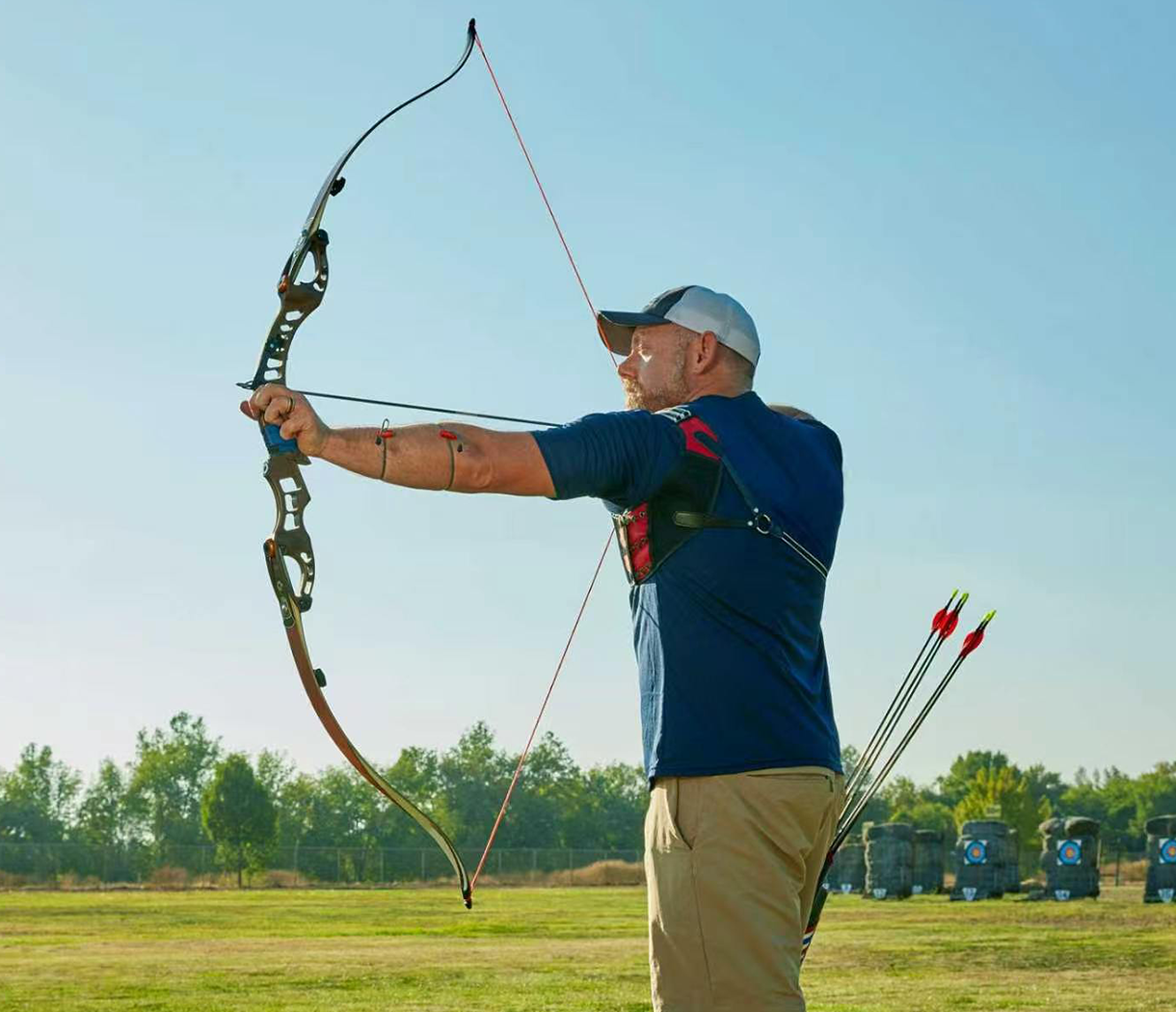
Archery involves a sequence of movements that repeatedly load the upper body. Although each shot may last only a short time, practice sessions often include dozens or even hundreds of repetitions. The shoulder and scapular muscles must stabilize the arms, control the bow, and maintain alignment during aiming. These repeated demands can contribute to fatigue, especially when training volume, bow draw weight, or technique places more stress on the muscles than they are prepared to handle.
1.1 The Physical Demands of Drawing and Holding a Bow
Drawing a bow requires one arm to push forward while the opposite arm pulls the string backward. During the full-draw and aiming phases, the archer must maintain this position with controlled muscular effort. The deltoids, rotator cuff muscles, trapezius, and other scapular stabilizers work together to keep the shoulder joints steady. Research on archery-related muscle activation has found greater shoulder and scapular muscle activity during the full-draw position than during partial drawing. This helps explain why holding the bow at full draw can feel particularly demanding.
1.2 How Repeated Shooting Contributes to Muscle Fatigue
Each shot repeats a similar movement pattern. Even when the technique remains consistent, the muscles responsible for drawing, stabilizing, and controlling the bow must continue working throughout the session. As fatigue develops, an archer may find it harder to maintain shoulder position or keep the upper body relaxed. Small changes in posture and muscle coordination can also affect aiming stability. Adequate recovery between training sessions is therefore important for managing accumulated physical stress.
1.3 The Role of Static Muscle Loading During Aiming
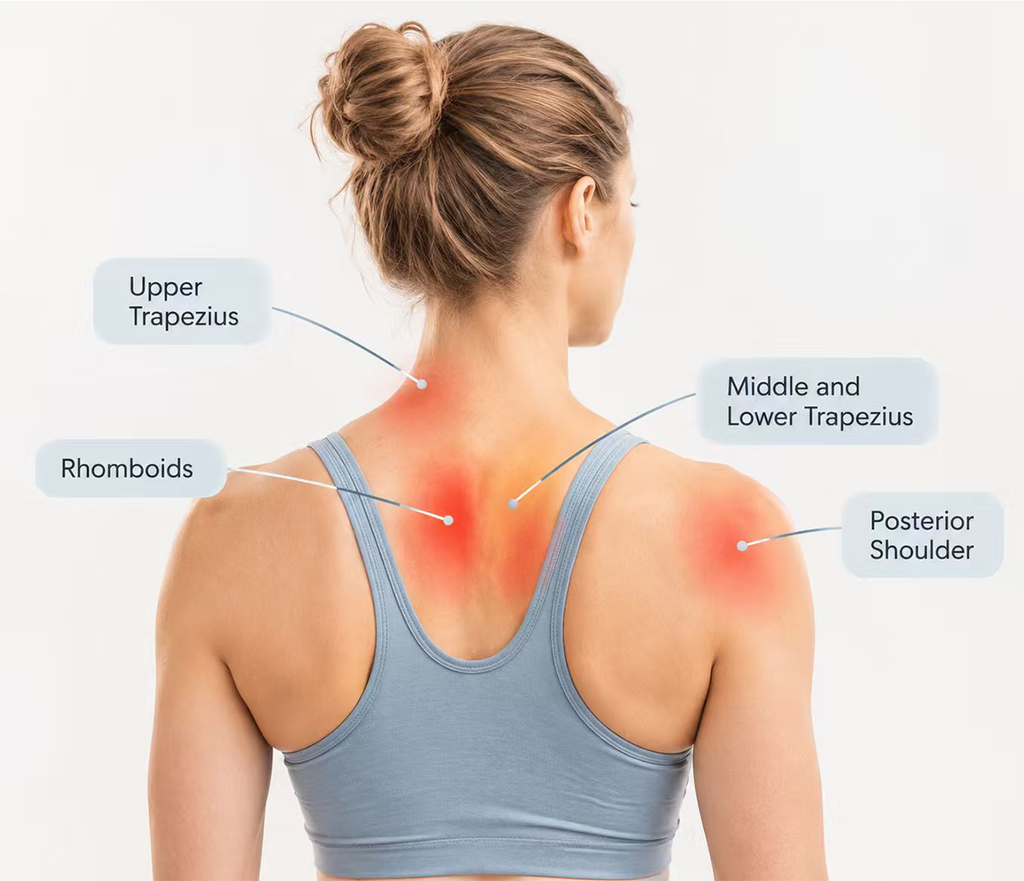
Aiming requires the archer to hold a relatively steady position while making small adjustments. This creates sustained or quasi-isometric muscle activity, meaning the muscles remain active without producing large visible movements. The upper trapezius, lower trapezius, rhomboids, and rotator cuff muscles help maintain shoulder and scapular control during this phase. Prolonged static loading may contribute to a feeling of tightness or heaviness around the shoulder blades, particularly during longer practice sessions.
2. Common Areas of Shoulder and Upper Back Discomfort in Archers
Not every archer experiences fatigue in the same location. The dominant arm, bow arm, training technique, physical conditioning, and equipment setup can all influence which muscles experience the greatest demand. Understanding the main anatomical structures involved can help distinguish ordinary post-training fatigue from symptoms that may require professional assessment.
2.1 Upper Trapezius and Neck-Shoulder Tension
The upper trapezius extends across the upper back and connects the neck and shoulder region. It contributes to scapular movement and helps stabilize the shoulder girdle. During archery, excessive shoulder elevation or unnecessary tension may increase the workload on this muscle. Archers may notice tightness near the base of the neck, across the top of the shoulders, or around the upper shoulder blades. Persistent discomfort should not automatically be attributed to muscle fatigue, as neck and shoulder conditions can produce similar symptoms.
2.2 Rhomboids and Middle-to-Lower Trapezius Fatigue
The rhomboid major, rhomboid minor, and middle and lower portions of the trapezius help control scapular positioning. Their coordinated activity is important when the bowstring is drawn and the shoulder blades need to remain stable. If these muscles become fatigued, an archer may experience discomfort between the shoulder blades or a sense of reduced upper-back endurance. Maintaining balanced scapular strength and movement control can help support efficient shooting mechanics.
2.3 Rotator Cuff and Deltoid Muscle Demands
The rotator cuff consists of four muscles: supraspinatus, infraspinatus, teres minor, and subscapularis. Together, they help stabilize the shoulder joint during arm movement. The deltoid also contributes to lifting and positioning the arm. Repeated drawing and holding may place ongoing demands on these structures, particularly when the bow is too heavy for the archer’s current strength or when technique is inconsistent. Sharp pain, weakness, or restricted shoulder movement should be assessed rather than treated as routine training soreness.
3. How CO₂ Cryotherapy May Support Post-Training Comfort
Cryotherapy uses controlled cooling to temporarily lower the temperature of a targeted body area. Localized CO₂ cryotherapy delivers pressurized carbon dioxide gas at a very low temperature to a selected region, rather than cooling the entire body. For archers, this approach may be considered as part of a broader recovery routine when shoulder or upper-back muscles feel tired after practice. However, research specifically evaluating CO₂ cryotherapy in archers remains limited, so its potential benefits should be understood within the wider evidence on localized cryotherapy.
3.1 Understanding the Cooling Response
When cold is applied to the skin, local blood vessels may constrict and sensory nerve activity can temporarily change. Cooling can reduce the transmission of some pain signals and create a short-term numbing sensation. These effects may help make a tired or uncomfortable area feel more manageable. However, temporary pain relief does not necessarily mean that an underlying injury has healed or that muscle recovery is complete.
3.2 What Makes Localized CO₂ Cryotherapy Different?
Localized CO₂ cryotherapy uses pressurized carbon dioxide gas, which can reach approximately -78°C as it is released. A professional system directs the cooling stream toward a selected treatment area, allowing attention to be focused on a particular muscle group rather than the whole body. Some systems also incorporate red laser guidance to help identify the target area and temperature monitoring to track cooling conditions. The red laser serves as a positioning aid; it is not the source of the cooling effect.
3.3 Potential Benefits for Shoulder and Upper Back Comfort
For archers experiencing temporary muscle discomfort after repetitive practice, localized cooling may offer short-term relief and help manage the sensation of soreness. A targeted approach can focus on areas such as the upper trapezius, posterior shoulder, or muscles around the shoulder blades when appropriate. Nevertheless, cryotherapy should be viewed as a supportive option rather than a treatment for rotator cuff injuries, shoulder instability, or other structural conditions. Current sports medicine evidence also suggests that cryotherapy’s benefits for soft-tissue injuries should not be overstated.
4. Incorporating CO₂ Cryotherapy Into an Archer’s Recovery Routine
A useful recovery routine should address more than post-training discomfort. Archers benefit from appropriate equipment selection, gradual conditioning, technique review, rest, and attention to changes in symptoms. Localized CO₂ cryotherapy may complement these measures when used appropriately, but it should not replace strength training, movement assessment, or medical care when needed.
4.1 Identifying the Areas That Need Attention
The most relevant areas may differ between the bow arm and drawing arm. Some archers experience tension across the upper trapezius, while others notice fatigue around the posterior shoulder or between the shoulder blades. Identifying the location and character of discomfort can help guide an appropriate assessment. A professional should distinguish general muscle soreness from joint pain, tendon irritation, nerve symptoms, or a possible injury before selecting a cooling approach.
4.2 Understanding Targeted Cooling Technology
A localized CO₂ cryotherapy system is designed to deliver a controlled stream of very cold gas to a selected body area. Product features may include a red laser guide for pinpoint targeting, temperature monitoring, and a specified treatment distance. Some systems describe localized sessions lasting approximately one to three minutes, but this should not be treated as a universal recommendation. The appropriate application depends on the device instructions, treatment area, individual sensitivity, and professional guidance. Because the released gas is extremely cold, the nozzle distance and movement must follow the manufacturer’s instructions to reduce the risk of cold injury.
4.3 Combining Cooling With Better Training Habits
Cooling is only one part of a well-rounded recovery plan. Archers can also pay attention to bow draw weight, shooting volume, posture, and shoulder conditioning. Gradual increases in training load may help the body adapt without sudden increases in repetitive stress. Exercises that develop scapular control, rotator cuff strength, and upper-back endurance may also support shooting mechanics. Rest periods, adequate sleep, and appropriate recovery between demanding sessions remain important.
4.4 Recognizing When Professional Evaluation Is Necessary
Persistent or worsening shoulder pain should not be managed through cooling alone. Symptoms such as sudden sharp pain, significant weakness, reduced range of motion, numbness, tingling, or pain that interferes with everyday activities may indicate a problem beyond routine muscle fatigue. A qualified healthcare professional can assess the shoulder, neck, and upper back to determine whether further evaluation or treatment is needed. Archers should also avoid applying extreme cold to areas with impaired sensation or circulation unless a healthcare professional has confirmed that it is appropriate.
5. Supporting Long-Term Shoulder Health and Archery Performance
Consistent archery practice depends on both technical skill and physical capacity. The shoulder and upper-back muscles need enough strength and endurance to support repeated shooting while maintaining stable movement patterns. Recovery strategies may help manage temporary discomfort, but long-term shoulder health also depends on sensible training progression, suitable equipment, and early attention to warning signs.
5.1 Building Shoulder Stability and Upper-Back Endurance
A balanced conditioning routine can help develop the muscles that control the shoulder blades and stabilize the shoulder joint. The lower trapezius, rhomboids, serratus anterior, and rotator cuff all contribute to coordinated shoulder movement. Strength and endurance exercises should be selected according to the archer’s experience, physical condition, and training needs. A sports physical therapist or qualified coach can help identify weaknesses or movement patterns that may place unnecessary stress on the shoulders.
5.2 Managing Training Volume and Equipment Demands
An archer’s bow draw weight should match their current strength and technical ability. Using equipment that requires excessive effort may encourage compensatory shoulder elevation, trunk movement, or poor control during the draw. Training volume should also increase gradually, with attention to changes in fatigue and shooting consistency. If discomfort repeatedly appears at a particular point in practice, reviewing technique and workload may be more useful than simply relying on post-session cooling.
5.3 Making Recovery Part of Consistent Practice
Recovery is not limited to what happens immediately after shooting. Regular rest, appropriate mobility work, balanced strength training, and adequate sleep all contribute to physical readiness. Localized CO₂ cryotherapy may be considered as an additional comfort-management option for selected areas, provided it is used safely and does not delay assessment of an injury. A sustainable approach helps archers maintain training consistency while paying attention to their body’s changing needs.
الأسئلة الشائعة
1. Can CO₂ cryotherapy help archers with shoulder soreness?
Localized cooling may temporarily reduce discomfort after training. However, it does not treat every cause of shoulder pain or replace an injury assessment.
2. Which muscles become fatigued during archery?
Commonly involved muscles include the upper and lower trapezius, rhomboids, deltoids, rotator cuff, and other scapular stabilizers.
3. Why does the upper back feel tight after shooting?
Repeated drawing and sustained aiming require ongoing scapular stabilization. This activity may contribute to fatigue and tightness around the shoulder blades.
4. Is CO₂ cryotherapy the same as using an ice pack?
Both use cooling, but localized CO₂ systems deliver pressurized, very cold gas to a selected area. Their application methods and safety requirements differ.
5. Can cryotherapy replace shoulder strengthening exercises?
No. Cooling may support short-term comfort, while appropriate strengthening and movement training help develop shoulder stability and endurance.
6. When should an archer seek professional advice?
Persistent pain, weakness, numbness, restricted movement, or sudden sharp discomfort should be evaluated by a qualified healthcare professional.
الخاتمة
Shoulder and upper-back muscle fatigue can develop when archers repeatedly draw the bow, maintain full draw, and stabilize their posture during aiming. The trapezius, rhomboids, rotator cuff, and deltoid all contribute to these demanding movements. Localized CO₂ cryotherapy may offer short-term comfort through controlled cooling of selected areas, making it a possible addition to a broader recovery routine. However, it should not replace appropriate conditioning, technique adjustments, rest, or professional assessment when symptoms persist. By combining sensible training habits with suitable recovery strategies, archers can better support shoulder health and maintain consistency throughout their practice.
المراجع
1. An Ergonomics Analysis of Archers through Motion Tracking to Prevent Injuries and Improve Performance
https://pmc.ncbi.nlm.nih.gov/articles/PMC10974659
2. Activation and Tremor of the Shoulder Muscles to the Demands of an Archery Task
https://pubmed.ncbi.nlm.nih.gov/20432134
3. The Characteristics of Shoulder Muscles in Archery Athletes
https://pmc.ncbi.nlm.nih.gov/articles/PMC7726387
4. Clinical Practice Guidelines for Pain Management in Acute Musculoskeletal Injury
https://pmc.ncbi.nlm.nih.gov/articles/PMC6485308
5. Cryotherapy for Treating Soft Tissue Injuries in Sport Medicine: A Critical Review