مقدمة
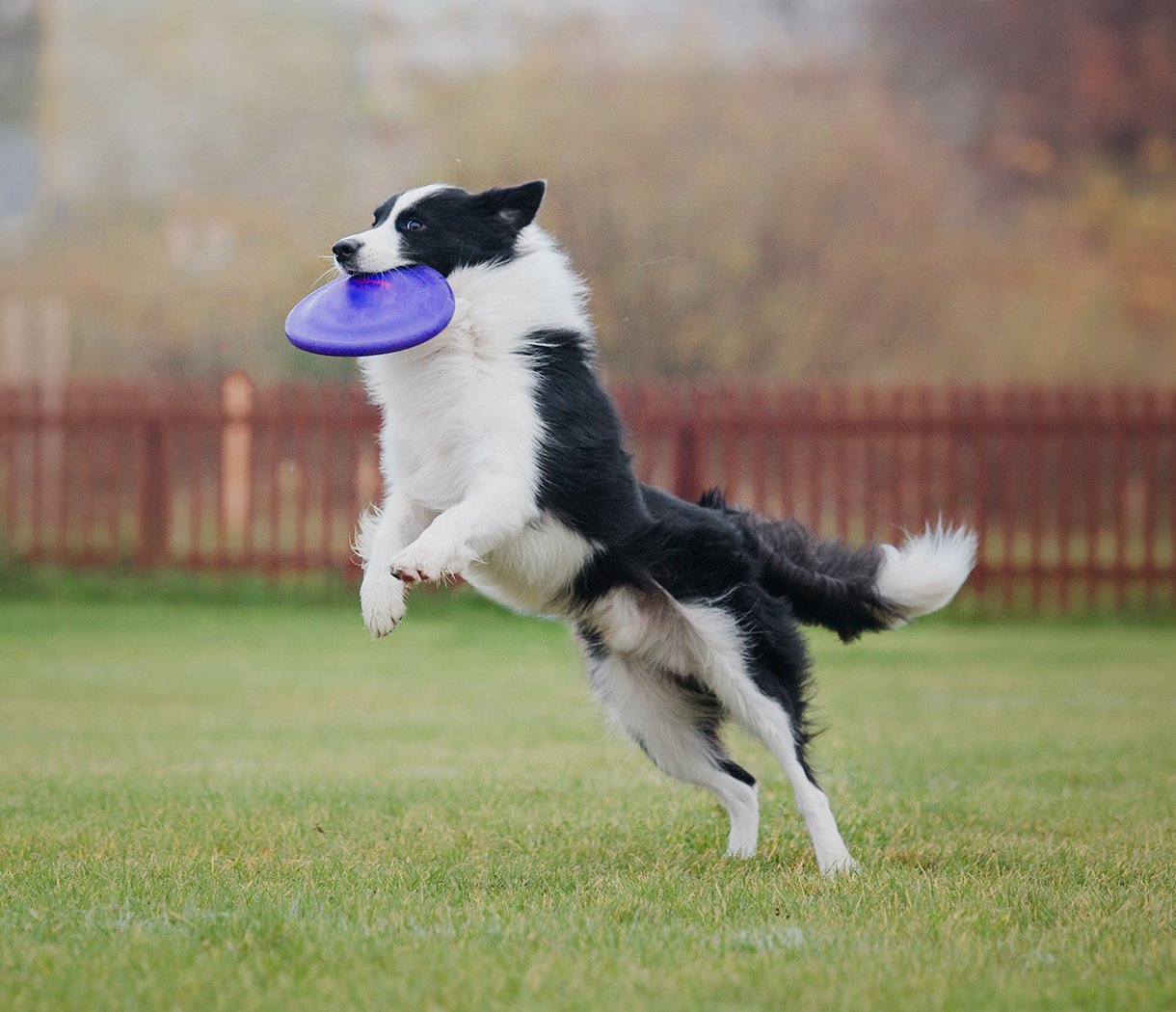
A sudden yelp during a high‑speed frisbee catch. A limp that appears after an enthusiastic jump. A dog that was running at full speed one moment and is now favoring one leg the next. Soft tissue injuries are among the most common reasons for emergency veterinary visits in active dogs. The first 72 hours after an injury are critical. During this window, the body’s inflammatory response can either support healing or, if excessive, lead to prolonged pain and secondary tissue damage. CO₂ cryotherapy offers a non‑invasive, drug‑free way to help manage acute inflammation and discomfort in the early phase of a soft tissue strain. By delivering rapid, controlled cooling directly to the affected area, it supports the body’s natural repair processes without the need for oral medications or invasive procedures.
1. Understanding Acute Soft Tissue Strains in Active Dogs
Active dogs, whether they compete in canine sports or simply enjoy vigorous play, are prone to muscle, tendon, and ligament injuries. Recognizing the injury early and acting within the first 72 hours can significantly influence the recovery timeline.
1.1 What Happens Inside a Strained Muscle
When a dog overstretches or tears a muscle fiber, the immediate result is bleeding and cell damage at the injury site. The body responds with an inflammatory cascade: blood vessels dilate, immune cells flood the area, and fluid accumulates. This swelling, while part of the natural healing process, can also compress surrounding healthy tissues, causing additional discomfort and delaying recovery. In the first 24 to 72 hours, the goal is to help modulate this inflammation, not eliminate it entirely. Excessive inflammation can lead to longer healing times and increased risk of re‑injury.
1.2 Why the First 72 Hours Are Critical
The initial three days after a soft tissue injury set the stage for everything that follows. During this period, the body clears damaged cells and begins depositing new collagen. If inflammation is poorly managed, the repair process can become disorganized, leading to fibrous scar tissue that lacks the strength and elasticity of healthy muscle. Additionally, uncontrolled pain can cause the dog to avoid using the injured limb, leading to muscle atrophy and joint stiffness. Early intervention with appropriate support can help keep the inflammatory response within a beneficial range, facilitating faster and more complete healing.
1.3 Common Soft Tissue Injuries in High‑Performance Dogs
Dogs that participate in agility, frisbee, flyball, or even intense backyard play are at higher risk for specific soft tissue strains. The iliopsoas muscle (the major hip flexor) is frequently strained during jumping and sudden turns. The gracilis and semitendinosus muscles in the hindlimb can be injured during sprinting and leaping. Forelimb strains, particularly of the supraspinatus and biceps brachii, occur during landing and weight‑bearing. Each of these injuries presents with localized heat, swelling, and lameness. Fast, targeted support in the 72‑hour window can make a meaningful difference in how quickly the dog returns to normal activity.
2. How CO₂ Cryotherapy Works for Acute Soft Tissue Injuries
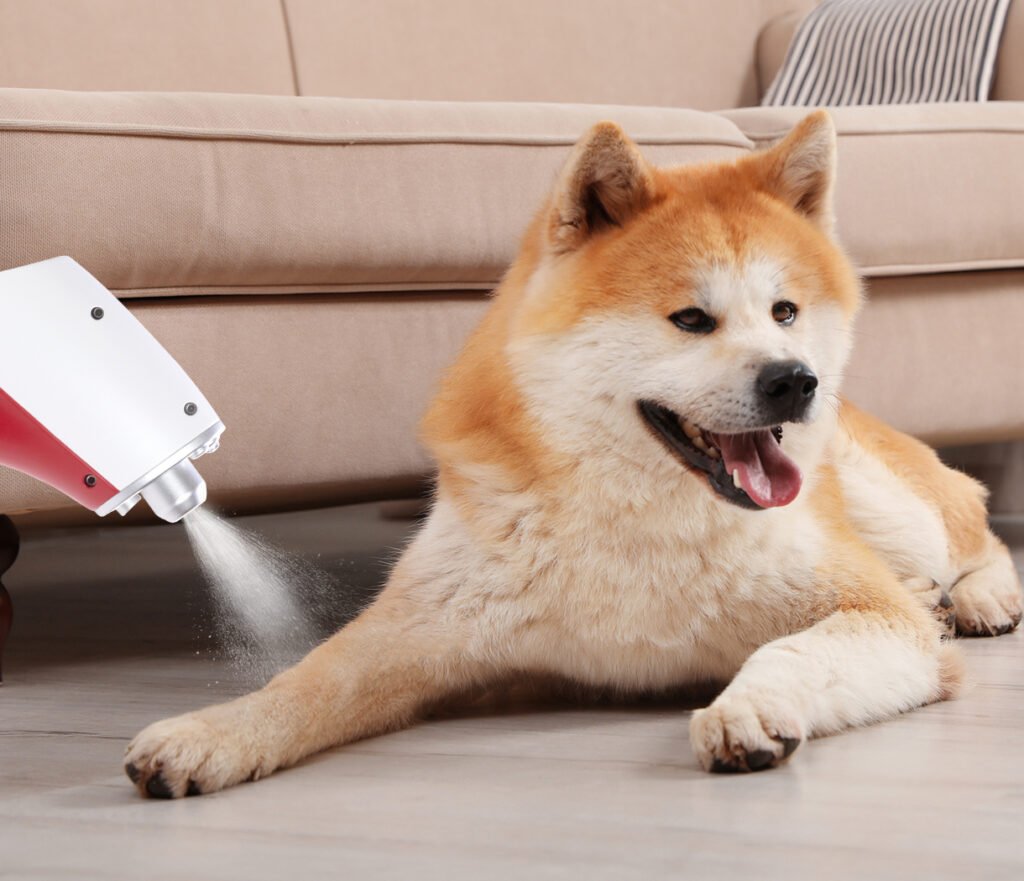
CO₂ cryotherapy is not the same as applying an ice pack. It uses pressurized carbon dioxide gas to deliver intense, dry cooling to a specific area. This technology offers several advantages for managing acute injuries in dogs.
2.1 Rapid Temperature Drop Without Skin Contact
When CO₂ gas is released under pressure, it rapidly expands and cools. The gas stream is directed at the injured area from a short distance, lowering the skin and underlying tissue temperature within seconds. Unlike ice packs, which must be pressed against the skin and can become wet as they melt, CO₂ cryotherapy is completely dry. There is no moisture to wet the dog‘s fur or cause shivering. The non‑contact nature means no pressure is applied to the already tender injury site, making the experience more comfortable for the dog.
2.2 How Deep Cooling Affects the Inflammatory Cascade
The cold generated by CO₂ cryotherapy causes superficial blood vessels to constrict. This immediate vasoconstriction reduces the amount of fluid leaking into the injured tissue, helping to limit the initial swelling. After the brief cooling period, a rebound vasodilation occurs, bringing fresh, oxygen‑rich blood to the area. This cycle helps flush out inflammatory byproducts while delivering nutrients that support tissue repair. Additionally, the cold stimulus can temporarily reduce the transmission of pain signals along nerve pathways, providing relief without the need for oral pain medications.
2.3 The Advantage of a Brief, Targeted Application
A typical CO₂ cryotherapy session for a soft tissue injury lasts only about 30 to 60 seconds per area. The dog does not need to stay still for a long time, which can be challenging when they are already uncomfortable. The brief nature of the treatment allows it to be repeated several times during the first 72 hours, aligning well with the early window when inflammation is most active. Because the therapy is non‑invasive and does not involve drugs, it can be used alongside other supportive measures without concern for interactions.
3. Using CO₂ Cryotherapy Within the 72‑Hour Window
Knowing when and how to apply CO₂ cryotherapy during the acute phase can optimize its benefits. The goal is to support the body‘s natural healing without interfering with essential inflammatory processes.
3.1 Immediately After the Injury (0–24 Hours)
In the first day after a soft tissue strain, the priority is to help limit excessive swelling and calm the initial pain response. Applying CO₂ cryotherapy within an hour of the injury can be beneficial. The rapid cooling helps reduce the immediate leak of fluid into the tissues, potentially limiting the spread of inflammation. One brief session every few hours during this first day may help keep the discomfort manageable. It is important to ensure the dog is calm and resting between sessions.
3.2 The Subacute Phase (24–72 Hours)
During the second and third days, the body is actively clearing damaged cells and beginning the repair process. At this stage, the goal shifts from purely limiting swelling to supporting pain management and early mobility. CO₂ cryotherapy can be applied once or twice daily. The cooling effect helps reduce the perception of pain, which in turn allows the dog to begin bearing weight on the limb sooner. Gentle, controlled movement is essential during this phase to prevent muscle atrophy, and cryotherapy can help make that movement less painful.
3.3 Signs That Cryotherapy Is Helpful
A dog that tolerates the application without distress and shows less guarding behavior afterward is likely benefiting from the therapy. Owners may notice that the dog is more willing to stand up, walk a few steps, or place weight on the injured leg after a session. The treated area may feel less warm to the touch over time. While each dog responds differently, consistent use during the 72‑hour window often leads to a smoother recovery course with fewer setbacks.
4. Complementary Steps for Managing Acute Soft Tissue Strains
CO₂ cryotherapy is most effective when used as part of a broader approach to acute injury management. Several simple measures can support the body’s healing during the critical first days.
4.1 Controlled Rest and Activity Modification
After a soft tissue strain, the dog should avoid running, jumping, and rough play. However, complete immobilization is not ideal either. Short, leashed walks for bathroom breaks allow the dog to move without overloading the injured muscle. Restrict access to stairs and furniture that would require jumping. The balance between rest and gentle movement helps maintain muscle tone while allowing the injured tissue to heal.
4.2 Observing for Improvement or Worsening
During the 72‑hour window, owners should monitor the dog’s lameness closely. Many dogs show steady improvement with appropriate support. If the lameness worsens, if the dog refuses to bear any weight, or if the affected area becomes hot and visibly swollen despite cooling, a veterinary examination is needed. Some injuries, such as complete tendon ruptures or fractures, require more advanced care.
4.3 Hydration and Comfort
Keeping the dog well‑hydrated supports all cellular healing processes. Ensure fresh water is always available. Provide a soft, warm bed in a quiet area away from household activity. Stress can slow healing, so a calm environment is beneficial. If the dog is anxious or in significant pain, consult a veterinarian for additional pain management options.
5. When to Transition from Acute Support to Rehabilitation
The 72‑hour window is just the beginning. After the initial inflammation subsides, the focus shifts to restoring full function.
5.1 Recognizing the End of the Acute Phase
By day four or five, the dog should show less swelling and improved weight‑bearing. The area may still be tender, but the sharp pain of the first days should have diminished. At this point, acute support like CO₂ cryotherapy may be used less frequently, while controlled rehabilitation exercises become more important.
5.2 Gradual Return to Normal Activity
After a soft tissue strain, rushing back to full activity often leads to re‑injury. A slow, structured return is safer. Start with short, slow leash walks on flat ground. Progress to slightly longer walks, then gentle trotting. Avoid high‑impact activities like jumping or sudden turns for at least several weeks. The exact timeline depends on the severity of the strain.
5.3 Preventing Future Injuries
Once the dog has recovered, consider steps to reduce the risk of another strain. Maintain a healthy body weight to reduce load on muscles and joints. Warm up the dog with light activity before intense play. Avoid repetitive high‑impact drills. Strengthening exercises, such as controlled hill walks or swimming, can build resilience. Consistent conditioning helps keep muscles prepared for the demands of active play.
الأسئلة الشائعة
Q1: How soon after a soft tissue injury can CO₂ cryotherapy be applied to a dog?
It can be applied within an hour of the injury, as long as the skin over the area is intact and the dog is calm.
Q2: How many times can I use CO₂ cryotherapy during the first 72 hours?
During the first day, a session every few hours is reasonable. After that, once or twice daily is usually sufficient.
Q3: Does CO₂ cryotherapy completely replace the need for veterinary care?
No. If the dog is not weight‑bearing, if the lameness worsens, or if there is significant swelling, a veterinarian should examine the dog.
Q4: Will the cold from CO₂ cryotherapy harm my dog’s skin or fur?
No. The gas stream is applied from a distance and is dry. It does not freeze the skin or wet the fur when used correctly.
Q5: Can CO₂ cryotherapy be used on older dogs with chronic joint issues?
Yes. It is safe for managing acute flare‑ups of chronic conditions, as long as the skin is intact and the dog is otherwise stable.
الخاتمة
The first 72 hours after a canine soft tissue strain are a window of opportunity. During this time, the body‘s inflammatory response can be gently modulated to support healing without causing unnecessary pain or delayed recovery. CO₂ cryotherapy offers a dry, non‑invasive, and drug‑free way to help manage acute inflammation, reduce discomfort, and allow the dog to begin moving sooner. Used alongside controlled rest and careful observation, it can help active dogs return to the activities they love more quickly. The yelp that signals an injury does not have to mark the beginning of a long, frustrating recovery. With timely, thoughtful support, that moment can become just a small pause in an otherwise healthy, active life.
المراجع
Local Cryotherapy. CO₂ Cryotherapy for Animal Pain and Injury.
https://www.localcryotherapy.com
Local Cryotherapy. Veterinary Indications – Soft Tissue Trauma.
https://www.localcryotherapy.com/co₂-cryotherapy-for-veterinary-use/
Local Cryotherapy. How Does CO₂ Cryotherapy Work.
https://www.localcryotherapy.com/how-does-cryotherapy-work/
Local Cryotherapy. Equine and Canine Athletic Recovery.
https://www.localcryotherapy.com/co₂-cryotherapy-for-equine-recovery/
Local Cryotherapy. Post‑Operative and Trauma Care.
https://www.localcryotherapy.com/co₂-cryotherapy-for-pain-relief/