مقدمة
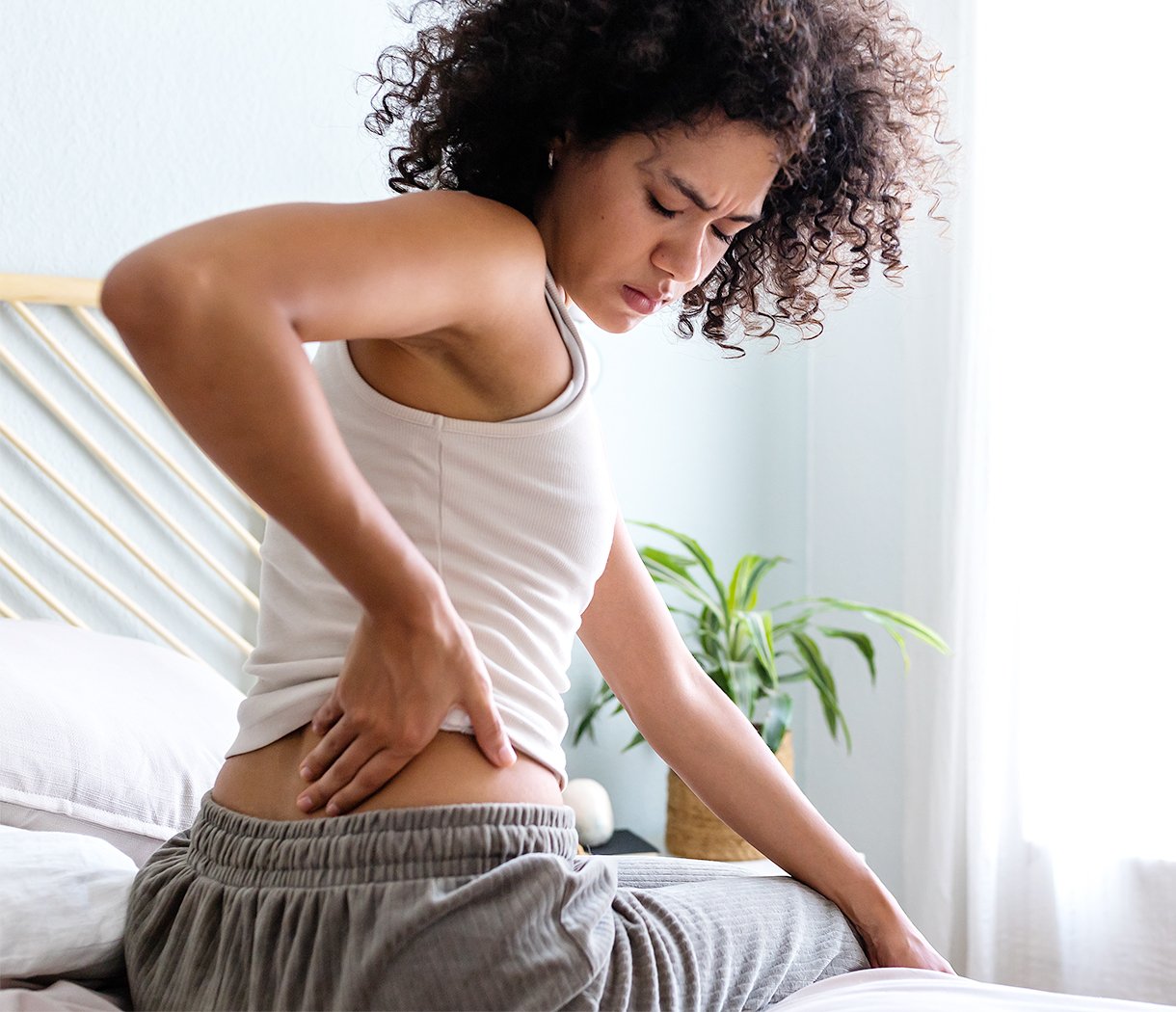
Lumboischialgia refers to pain that starts in the lower back and travels down one or both legs. This condition often results from nerve compression caused by herniated discs, spinal stenosis, or muscle imbalances. Many patients rely on pain medications that only mask symptoms without addressing the underlying cause. CO₂ neuroreflective therapy offers a different path. This non-invasive treatment uses pressurized carbon dioxide to create a controlled cooling effect that triggers the body’s own healing responses. Unlike traditional ice packs that simply numb the surface, CO₂ therapy works with your nervous system to help reduce inflammation.
1. Understanding Lumboischialgia and Its Impact
Lumboischialgia affects millions of people, yet many struggle to find effective relief without surgery or strong medications. Understanding what causes this condition helps explain why CO₂ therapy may help.
1.1 What Causes Lumboischialgia
The term lumboischialgia combines two words: lumbar (lower back) and ischium (part of the pelvis). The pain typically originates when a nerve root in the lower spine becomes compressed or irritated. Common causes include herniated discs that bulge out and press on nearby nerves, spinal stenosis where the spinal canal narrows, and degenerative disc disease that changes the spacing between vertebrae. Muscle tightness and inflammation can also trigger or worsen the condition.
1.2 Why Traditional Treatments Have Limitations
Many patients receive prescriptions for non-steroidal anti-inflammatory drugs (NSAIDs) or muscle relaxants. These medications temporarily reduce pain signals but do not resolve the inflammation or nerve irritation. Long-term use carries potential risks including stomach issues, kidney stress, and liver concerns. Physical therapy helps some patients but requires weeks or months of commitment. Epidural steroid injections provide stronger relief but involve needles and carry some risks. Surgery remains an option only for specific cases.
1.3 The Nervous System’s Role in Pain
Pain from lumboischialgia involves both mechanical compression and inflammatory chemicals. When a nerve root gets compressed, it releases substances that sensitize nearby tissues. This creates a cycle where pain leads to muscle guarding, which leads to more compression. Breaking this cycle requires addressing both the mechanical and chemical components. CO₂ neuroreflective therapy works with this cycle by stimulating temperature sensors in the skin that send signals to the spinal cord and brain.
2. How CO₂ Neuroreflective Therapy Works
CO₂ therapy differs from applying an ice pack or taking a pain pill. It uses the body’s own neurological pathways to produce therapeutic effects without introducing chemicals.
2.1 The Science Behind Neuroreflective Cooling
Neuroreflective therapy relies on the fact that your skin contains millions of temperature sensors connected directly to your nervous system. When pressurized CO₂ gas expands rapidly, it creates an intense but brief cooling effect on the skin surface. This rapid temperature drop triggers a reflex response. The cold stimulus travels along nerve pathways to the spinal cord, where it can influence pain signals coming from the lower back.
2.2 How Blood Vessels Respond
The initial response to intense cold is vasoconstriction, where blood vessels narrow. This helps limit swelling. What makes CO₂ therapy different is what happens afterward. As the tissue naturally rewarms after treatment, blood vessels expand. This increased circulation helps the area receive more blood flow. Traditional ice application produces vasoconstriction but often does not trigger the same rebound response.
2.3 Why Pressure Adds Benefit
Standard ice packs simply cool whatever surface they contact. CO₂ therapy uses pressurized gas that reaches deeper into tissue. The force of the expanding gas creates mild mechanical stimulation that reaches muscle layers and superficial nerves. This combination of temperature and pressure produces a stronger neurological response. Patients describe the sensation as intense but brief, lasting only seconds before the area begins to feel refreshed.
2.4 The Pain Gate Concept
The Gate Control Theory helps explain how CO₂ therapy may reduce pain. According to this concept, the spinal cord contains a mechanism that determines whether pain signals reach the brain. Signals from temperature and pressure can influence this mechanism. The intense temperature and pressure signals from CO₂ therapy can help reduce the pain signals reaching the brain. This provides relief without any medication entering your bloodstream.
3. Why CO₂ Therapy Suits Lumboischialgia
Not every pain condition responds equally well to CO₂ therapy. However, the specific characteristics of lumboischialgia make it a good candidate for this approach.
3.1 Reaching Deep Nerve Roots
The nerve roots affected in lumboischialgia sit deep within the spine, surrounded by muscle and connective tissue. Surface-level treatments like heating pads or topical creams cannot reach them effectively. CO₂ therapy’s pressurized delivery helps the cooling effect penetrate beyond the skin. While the cold itself reaches only a few centimeters, the neurological reflex it triggers affects the spinal segment where nerve compression occurs.
3.2 Addressing Inflammation Naturally
Inflammation around compressed nerve roots contributes to lumboischialgia pain. Inflammatory chemicals irritate the nerve directly and cause swelling that increases compression. CO₂ therapy helps address this inflammation through two mechanisms: initial vessel narrowing limits further swelling, and the subsequent vessel expansion helps clear the area. This natural approach occurs without the side effects associated with NSAID medications.
3.3 Helping with Muscle Tension
Muscle tension often accompanies lumboischialgia as the body tries to protect the injured area. Unfortunately, this tension can increase compression on nerves and create additional pain. The sensory input from CO₂ therapy can influence the reflex that maintains muscle tension. As muscles relax, pressure on nerve roots may decrease. This creates a pattern where less pain means less guarding, which may mean even less pain.
3.4 No Downtime, No Needles
Patients with lumboischialgia often cannot tolerate positions required for injections or procedures. CO₂ therapy sessions are relatively brief, with the patient lying comfortably. There are no needles, no incisions, and no recovery time. You can return to normal activities after treatment. This accessibility means patients can receive treatment at the first sign of a flare-up.
4. What to Expect During a CO₂ Therapy Session
Understanding what happens during treatment helps reduce anxiety and sets realistic expectations. The process is straightforward and designed for patient comfort.
4.1 Before Your First Session
Your provider will review your medical history and confirm that CO₂ therapy suits your condition. Many patients with lumboischialgia are good candidates. However, individuals with certain circulation disorders, uncontrolled high blood pressure, or open wounds in the treatment area may need different approaches. The provider will explain the sensation you will feel so nothing comes as a surprise.
4.2 The Treatment Experience
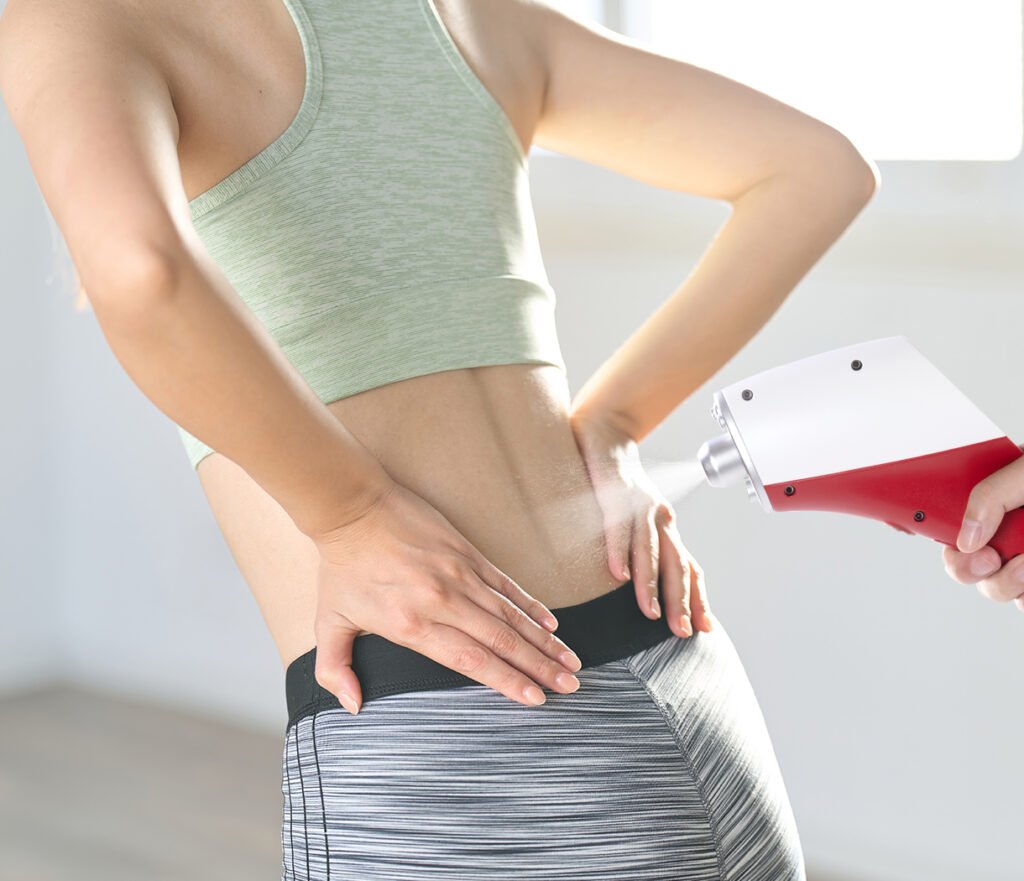
You will lie on a comfortable table, typically face down to expose your lower back and the affected leg. The provider positions the CO₂ therapy device several inches from your skin and activates short bursts of pressurized gas. You will feel an immediate cold rush that penetrates deeply but fades quickly. The provider moves the device across the affected areas, including the lower back, sacrum, and down the back of the leg. Many patients describe the sensation as intense but not painful.
4.3 Duration and Frequency
A single treatment session typically takes several minutes of active therapy time. Some patients notice relief after their first session. The benefits often build with each subsequent treatment. A typical course might include several sessions over two to three weeks. Some patients with chronic lumboischialgia return for maintenance sessions every few weeks or months.
4.4 What You Feel Afterward
After treatment, the treated area may feel cool and slightly tingly. This sensation fades within minutes. Many patients report feeling less tension in their lower back muscles. Some notice improved movement when bending or twisting. As circulation changes over the following hours, you may feel warmth returning to the area. This represents the phase where blood flow increases to tissues that were previously inflamed.
5. How CO₂ Therapy Compares to Other Options
Understanding how CO₂ therapy compares with conventional options helps patients make informed decisions about their care.
5.1 CO₂ Therapy vs. Ice Packs
Traditional ice packs cool the skin surface slowly over many minutes. This gradual cooling produces vessel narrowing but often does not trigger the rebound circulation that characterizes CO₂ therapy. Ice packs also require you to remain still for extended periods, which can aggravate lumboischialgia. CO₂ therapy delivers its effect quickly, and the neurological reflex it triggers differs from simple surface cooling.
5.2 CO₂ Therapy vs. Heat Therapy
Heat application increases blood flow and relaxes muscles, which benefits some back pain patients. However, heat can worsen acute inflammation and may increase swelling around compressed nerves. CO₂ therapy offers the advantage of helping reduce inflammation while still promoting circulation during the rebound phase. For lumboischialgia involving active nerve root inflammation, cooling generally provides different benefits than heating.
5.3 CO₂ Therapy vs. Medication
Oral pain medications travel through your entire bloodstream to reach your lower back. This means most of the drug goes to places that do not need it, increasing side effect risks. CO₂ therapy works locally through neurological reflexes without any chemical entering your circulation. There are no drug interactions, no concerns about long-term organ effects, and no risk of dependency developing over time.
5.4 CO₂ Therapy vs. Injections
Epidural steroid injections place medication directly near affected nerve roots. This approach works well for many patients but involves needles and carries some risks. CO₂ therapy offers a needle-free alternative that carries minimal risk when performed by trained providers. For patients who wish to avoid injections or who have not responded well to them, CO₂ therapy provides a reasonable option to consider.
6. Practical Considerations for Patients
Before pursuing CO₂ therapy for lumboischialgia, consider these practical factors to determine if this approach fits your needs.
6.1 Who May Benefit Most
CO₂ therapy may work well for patients with lumboischialgia caused by inflammation around nerve roots. Good candidates often have pain that limits activity but does not cause progressive weakness or bowel changes. Patients who want to reduce their use of pain medication find this approach particularly appealing. Those who have tried conservative treatments may still respond well to CO₂ therapy.
6.2 Who Should Be Cautious
Certain conditions may make CO₂ therapy less advisable. Patients with cold hypersensitivity disorders may react poorly. Severe circulation problems may need medical optimization before treatment. Uncontrolled high blood pressure requires medical management beforehand. Open wounds or skin infections in the treatment area need to heal before CO₂ therapy. Your provider should screen for these conditions before your first session.
6.3 Using CO₂ Therapy Alongside Other Approaches
CO₂ therapy can work alongside other conservative treatments. Many patients continue physical therapy exercises while receiving CO₂ treatments. The reduced pain and muscle tension from CO₂ therapy may actually make physical therapy more effective. Likewise, patients taking NSAIDs may find they need lower doses after starting this therapy. Always inform all your providers about every treatment you receive.
6.4 What Results to Expect
Many patients feel some improvement after their first CO₂ therapy session. Chronic lumboischialgia that has persisted for months typically requires multiple sessions for optimal results. The benefits often accumulate, meaning later sessions may produce more lasting relief than the first. Some patients experience substantial symptom reduction. Others find their pain decreases enough to resume normal activities with occasional maintenance treatments as needed.
الأسئلة الشائعة
Q: Does CO₂ therapy hurt?
A: Most patients describe an intense cold rush that fades within seconds. It is not painful, though some find the intensity surprising at first.
Q: How many sessions will I need?
A: Many patients feel relief after one session. Optimal results often take several sessions over two to three weeks.
Q: How long does each treatment take?
A: The active treatment portion takes several minutes. Total visit time may be twenty to thirty minutes.
Q: Are there any side effects?
A: Side effects are rare and temporary. Some patients experience mild redness or tingling that resolves quickly.
Q: Can I get CO₂ therapy if I take blood thinners?
A: CO₂ therapy does not break the skin, so blood thinners generally do not cause problems. Always inform your provider about your medications.
Q: Can CO₂ therapy replace surgery for a herniated disc?
A: CO₂ therapy helps manage pain but does not remove disc material. For large herniations causing weakness, surgical evaluation remains necessary.
الخاتمة
Lumboischialgia can trap patients in a cycle of pain, medication side effects, and limited mobility. CO₂ neuroreflective therapy offers an alternative that works with your body’s natural responses. By triggering neurological reflexes, this non-invasive treatment helps reduce inflammation, address muscle tension, and promote circulation without needles or drugs. The brief cooling sensation may feel surprising at first, but most patients find the experience tolerable. For those seeking to manage their back and leg pain without relying heavily on medications or invasive procedures, CO₂ therapy represents a reasonable option to discuss with a qualified provider.
المراجع
High-Pressure Medical Cryotherapy (HPMC) Frequently Asked Questions. AC130 Viper.
https://ac130viper.com/frequently-asked-question/
Cryotherapy for Low Back Pain: A Systematic Review. National Center for Biotechnology Information.
https://pubmed.ncbi.nlm.nih.gov/26768220/
Neuroreflective Cold Therapy for Musculoskeletal Pain: Mechanisms and Applications. Physiopedia.
https://www.physio-pedia.com/Cryotherapy
Carbon Dioxide Therapy in Pain Management: A Clinical Overview. Journal of Pain Research.