مقدمة
Active dogs involved in sports, training programs, and working activities require consistent physical conditioning and recovery management to maintain healthy movement patterns. From agility dogs and competition canines to working and performance dogs, repeated running, jumping, and high-intensity movements place continuous demands on muscles, joints, and soft tissues. CO₂ cryotherapy has become an emerging topic in canine sports recovery because it provides localized cooling support that may help maintain comfort and support normal recovery processes after physical activity. By using controlled carbon dioxide cooling technology, this approach offers a targeted method that can be incorporated into broader canine wellness and rehabilitation routines. This article explores the role of CO₂ cryotherapy for dogs, explains how localized cold therapy interacts with the body, and discusses how this technology may support recovery strategies for athletic canines.
1. Understanding the Physical Demands of Athletic Dogs
Athletic dogs experience different physical requirements compared with typical companion animals. Their daily routines often involve repetitive movements, structured training, and higher levels of physical activity, making recovery an important part of maintaining long-term mobility.
1.1 What Makes a Dog an Athletic Performer?
Athletic dogs participate in activities that require speed, coordination, endurance, and body control. These activities may include agility competitions, flyball, dock diving, herding tasks, search and rescue training, and other performance-based activities.
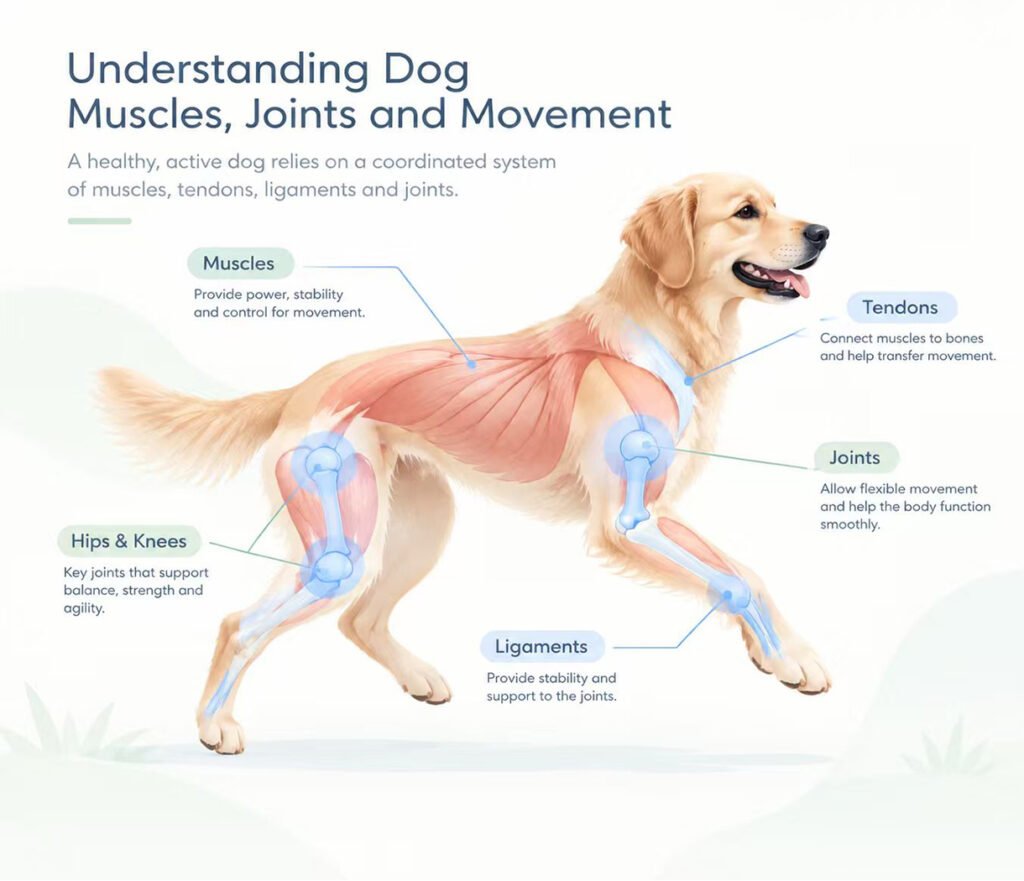
During these activities, dogs rely on the coordinated function of muscles, tendons, ligaments, and joints. Repeated movements such as jumping, accelerating, stopping, and changing direction require strong physical control and efficient movement patterns.
Canine sports recovery focuses on supporting physical condition and maintaining comfortable movement. As veterinary rehabilitation continues to develop, recovery methods such as CO₂ cryotherapy are gaining attention as supportive options for active dogs.
1.2 Common Recovery Challenges in Active Dogs
High-intensity activity can create physical stress on a dog’s musculoskeletal system. Athletic dogs may experience temporary muscle fatigue, stiffness after exercise, reduced flexibility, or sensitivity in frequently used areas.
Because dogs cannot communicate discomfort directly, owners and trainers often evaluate recovery through changes in behavior and movement. A dog that becomes less willing to participate, moves differently, or requires longer recovery periods may need adjustments in training and wellness management.
Supporting recovery does not focus only on returning to activity quickly. Instead, it emphasizes maintaining healthy movement patterns and helping dogs adapt to their physical workload over time.
1.3 Why Recovery Management Matters in Canine Sports
Modern canine sports increasingly focus on both performance and long-term health. A well-designed recovery routine helps owners and trainers support dogs throughout different stages of training.
Recovery management may involve balanced exercise planning, appropriate rest periods, nutrition support, mobility activities, and additional wellness approaches such as targeted cold therapy.
For athletic dogs, recovery is an ongoing process rather than a single step after exercise. Maintaining physical comfort and mobility helps support a healthier approach to long-term participation in canine sports.
2. How CO₂ Cryotherapy Supports Canine Sports Recovery
CO₂ cryotherapy is a localized cooling technique that uses carbon dioxide gas to create a rapid temperature reduction on targeted areas. Unlike general cold exposure, localized cryotherapy focuses on specific regions that experience physical stress.
2.1 The Science Behind Localized CO₂ Cooling
When carbon dioxide gas expands during application, it produces a rapid cooling effect on the targeted surface area. This temperature change may activate natural physiological responses, including temporary vasoconstriction and changes in local tissue conditions.
Cold therapy has been widely discussed in rehabilitation settings because temperature control can influence how the body responds after physical stress. Cooling may affect factors related to discomfort perception, tissue environment, and recovery processes.
For athletic dogs, localized CO₂ cryotherapy provides a focused approach that allows recovery support to be directed toward areas affected by repeated movement demands.
2.2 CO₂ Cryotherapy and Traditional Cooling Approaches
Traditional cooling methods, such as ice packs and cold compresses, are commonly used for recovery support. However, these approaches may have limitations related to temperature control, application consistency, and convenience.
CO₂ cryotherapy offers a controlled cooling method designed for targeted application. By focusing on specific areas rather than applying general cold exposure, this approach allows owners and professionals to integrate cold therapy into customized recovery routines.
For canine athletes, targeted recovery strategies may provide additional support after training sessions or physically demanding activities.
2.3 Targeted Areas for Athletic Dog Recovery
Different canine sports place different demands on the body. Agility dogs often perform rapid turns, jumps, and acceleration movements, while working dogs may require endurance and repeated physical effort.
Recovery routines may focus on areas that experience frequent movement demands, including muscles around the shoulders, hips, limbs, and other soft tissue regions.
CO₂ cryotherapy can be used as a supportive method within a broader recovery plan. The goal is to support comfort and normal recovery processes rather than replace veterinary evaluation or professional rehabilitation guidance.
3. The Role of CO₂ Cryotherapy in Canine Sports Medicine
Canine sports medicine combines veterinary knowledge, exercise science, and rehabilitation principles to support active dogs. As more dogs participate in structured physical activities, recovery technology has become an important area of interest.
3.1 Supporting Muscle Recovery After Training
Training sessions create repeated demands on muscle fibers and connective tissues. After intense activity, dogs require appropriate recovery time to maintain physical readiness and movement quality.
CO₂ cryotherapy may support post-exercise recovery routines by providing localized cooling to areas affected by physical workload. This approach can be combined with proper conditioning, rest, and training adjustments.
A balanced recovery plan considers the dog’s age, activity level, training frequency, and overall physical condition.
3.2 Supporting Joint Comfort in Athletic Dogs
Healthy joint function plays an important role in canine athletic performance. Running, jumping, and rapid movement require coordination between bones, cartilage, ligaments, and surrounding muscles.
For dogs participating in regular sports activities, maintaining joint comfort is an important part of long-term mobility management.
CO₂ cryotherapy may support recovery routines by providing targeted cooling around areas involved in repetitive movement. When combined with appropriate exercise management, it can become part of a comprehensive approach to supporting active dogs.
3.3 Integrating CO₂ Cryotherapy Into a Complete Recovery Routine
CO₂ cryotherapy works best as one component of a complete canine sports recovery strategy. Athletic performance depends on many factors, including training structure, physical conditioning, rest, nutrition, and overall health monitoring.
Each dog has different recovery needs. A young agility dog, an experienced competition dog, and a working canine may require different approaches based on their activity patterns.
By combining targeted cold therapy with responsible training practices, owners and trainers can create a more balanced recovery routine that supports canine wellness.
4. Incorporating CO₂ Cryotherapy Into Canine Recovery Strategies
As canine sports become more structured and competitive, recovery planning has become an important part of supporting active dogs. A suitable recovery strategy considers the dog’s activity level, physical condition, and training goals. CO₂ cryotherapy can serve as a supportive method within a broader wellness plan designed to maintain comfort and mobility.
4.1 Factors to Consider When Using CO₂ Cryotherapy for Athletic Dogs
When adding CO₂ cryotherapy to a canine recovery routine, owners and trainers should consider several factors, including the dog’s age, exercise intensity, training frequency, and overall condition.
Different athletic activities create different physical demands. An agility dog that performs repeated jumps and directional changes may require a different recovery approach compared with a working dog that completes long-duration physical tasks.
Understanding a dog’s movement patterns helps owners and professionals identify areas that experience frequent workload. This allows recovery strategies to be adjusted according to the individual needs of each canine athlete.
CO₂ cryotherapy should be viewed as part of a complete recovery approach that includes appropriate exercise management, rest, conditioning, and professional guidance when needed.
4.2 Applying CO₂ Cryotherapy as Part of a Canine Recovery Routine
A consistent recovery routine plays an important role in supporting athletic dogs throughout their training cycles. Instead of focusing only on performance results, many owners and trainers are placing more attention on maintaining physical comfort, movement quality, and long-term mobility.
CO₂ cryotherapy can be incorporated into a structured recovery approach by providing localized cooling support for areas that experience repeated physical stress. This targeted approach may help support post-exercise comfort and normal tissue responses after demanding activities.
For canine athletes, recovery routines often involve multiple elements, including proper rest periods, conditioning exercises, mobility activities, and supportive recovery methods. CO₂ cryotherapy can complement these strategies by offering a focused cold therapy option within a broader wellness program.
The most suitable recovery routine depends on the dog’s activity level, training demands, and individual physical needs. A personalized approach allows owners and trainers to better support active dogs throughout their athletic journey.
4.3 Responsible Use of Cryotherapy in Canine Sports Care
Although CO₂ cryotherapy can be a supportive recovery method, it should always be considered part of responsible canine health management. It does not replace veterinary evaluation, professional assessment, or rehabilitation recommendations.
Owners should continue observing their dogs’ movement patterns, activity levels, and daily behavior. Changes in performance, unusual movement, or ongoing discomfort may require professional attention.
A responsible canine sports recovery plan combines multiple elements, including appropriate training schedules, sufficient recovery periods, balanced nutrition, and suitable wellness technologies. When integrated properly, CO₂ cryotherapy may provide additional support for managing the physical demands of athletic dogs.
5. The Future of CO₂ Cryotherapy in Canine Sports and Rehabilitation
The development of canine sports medicine continues to create new opportunities for improving recovery strategies. As more dogs participate in athletic activities, attention is increasingly shifting toward maintaining mobility, supporting physical function, and promoting long-term wellness.
5.1 Growing Interest in Recovery Technology for Athletic Dogs
The increasing popularity of canine sports has encouraged more owners and trainers to explore advanced recovery approaches. Modern canine care now focuses not only on performance improvement but also on helping dogs maintain healthy movement throughout their active lives.
Recovery technologies such as CO₂ cryotherapy are becoming part of discussions around canine sports wellness because they provide targeted cooling support and can complement traditional recovery methods.
As canine athletics becomes more specialized, recovery management will continue to play an important role in supporting dogs involved in competitive and physically demanding activities.
5.2 The Growing Role of CO₂ Cryotherapy in Canine Rehabilitation
As canine sports medicine continues to evolve, recovery strategies are becoming increasingly focused on maintaining mobility, supporting physical function, and improving overall wellness.
CO₂ cryotherapy represents one of the emerging approaches being explored in canine rehabilitation. Through targeted cooling technology, it provides another option for supporting recovery routines in active dogs.
Future canine care will likely continue combining exercise science, veterinary rehabilitation, and supportive technologies. When used alongside proper conditioning and professional guidance, CO₂ cryotherapy may contribute to a more comprehensive approach to managing the physical demands of canine athletes.
الأسئلة الشائعة
What is CO₂ cryotherapy for dogs?
CO₂ cryotherapy is a localized cold therapy method that uses carbon dioxide gas to create controlled cooling on targeted areas. It is used as a supportive approach for canine comfort and recovery management.
Can CO₂ cryotherapy support athletic dogs after exercise?
CO₂ cryotherapy may support recovery routines by helping maintain muscle comfort after physical activity. It should be combined with appropriate rest, conditioning, and overall wellness management.
Which dogs may benefit from CO₂ cryotherapy?
Active dogs involved in agility, competitions, working activities, or regular training may include CO₂ cryotherapy as part of a broader recovery routine.
What areas can CO₂ cryotherapy be used on athletic dogs?
CO₂ cryotherapy may be applied to areas involved in frequent movement, such as muscles and soft tissues around the shoulders, hips, and limbs. Proper application should follow device guidance and professional recommendations.
Can CO₂ cryotherapy replace veterinary care?
No. CO₂ cryotherapy is a supportive wellness approach and does not replace veterinary evaluation, diagnosis, or professional care.
الخاتمة
CO₂ cryotherapy is becoming an increasingly recognized supportive technology in canine sports recovery because it provides targeted cooling for active dogs involved in training, competitions, and physically demanding activities. Athletic dogs experience continuous physical demands on muscles, joints, and soft tissues, making structured recovery management an important part of maintaining mobility and overall wellness. Through controlled localized cooling, CO₂ cryotherapy may help support comfort, recovery routines, and physical maintenance when combined with responsible training practices and professional guidance. As canine sports continue to develop, recovery technologies such as CO₂ cryotherapy provide owners, trainers, and rehabilitation professionals with additional options for supporting the health and performance of active dogs.
المراجع
Cold Therapy in Rehabilitation and Sports Medicine: Mechanisms and Clinical Applications
https://www.ncbi.nlm.nih.gov/pmc/articles/PMC1315345
Veterinary Sports Medicine and Rehabilitation: Principles and Applications
https://onlinelibrary.wiley.com/doi/10.1002/9781119380627.ch7
Rehabilitation and Physical Therapy for Canine Athletes
https://www.vetmed.ucdavis.edu/node/3506
Cryotherapy and Its Role in Musculoskeletal Recovery
https://www.frontiersin.org/articles/10.3389/fphys.2021.657120/full
Canine Rehabilitation: Supporting Mobility and Performance in Active Dogs
https://www.sciencedirect.com/science/article/pii/S1558787820300524