Введение
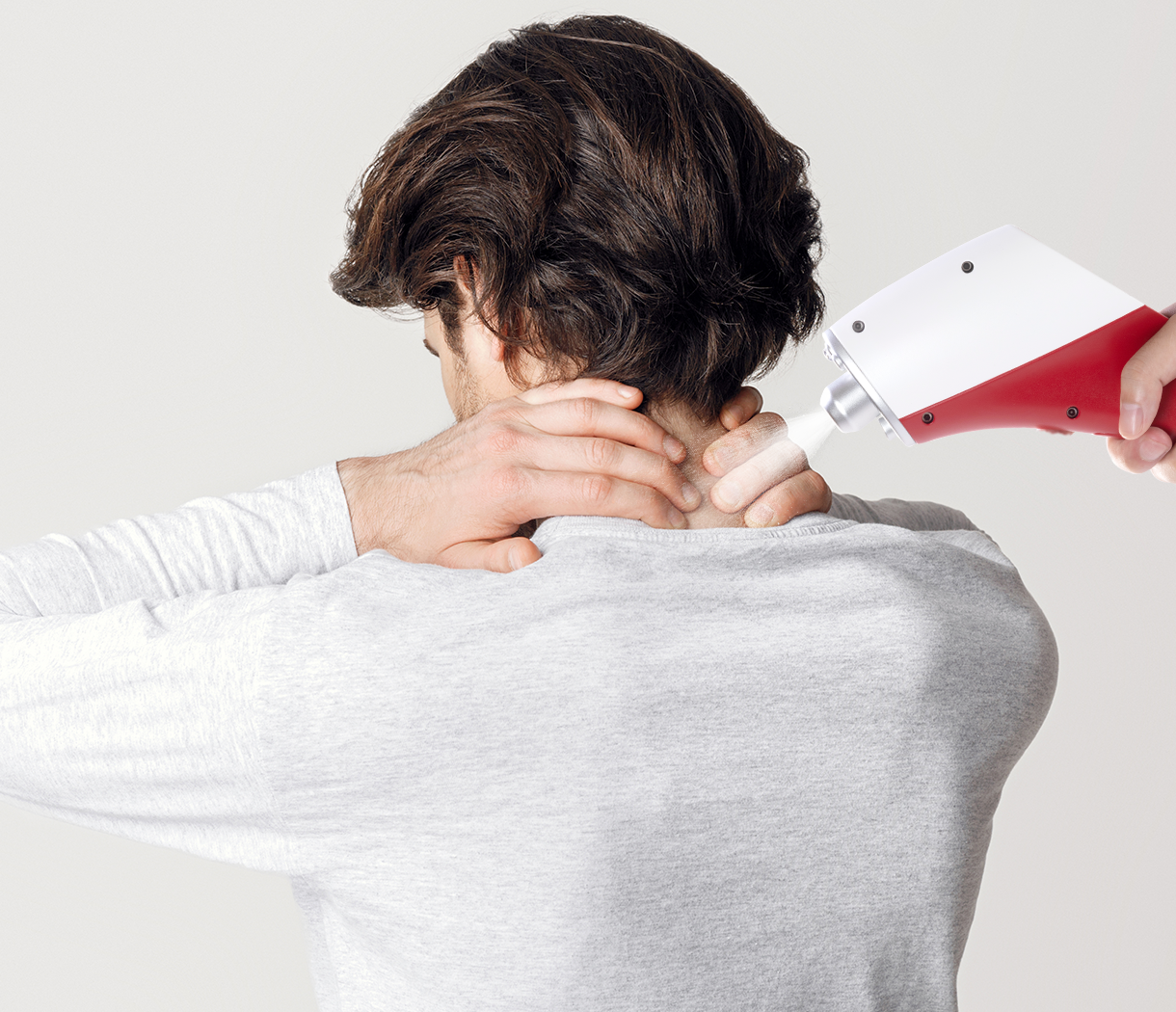
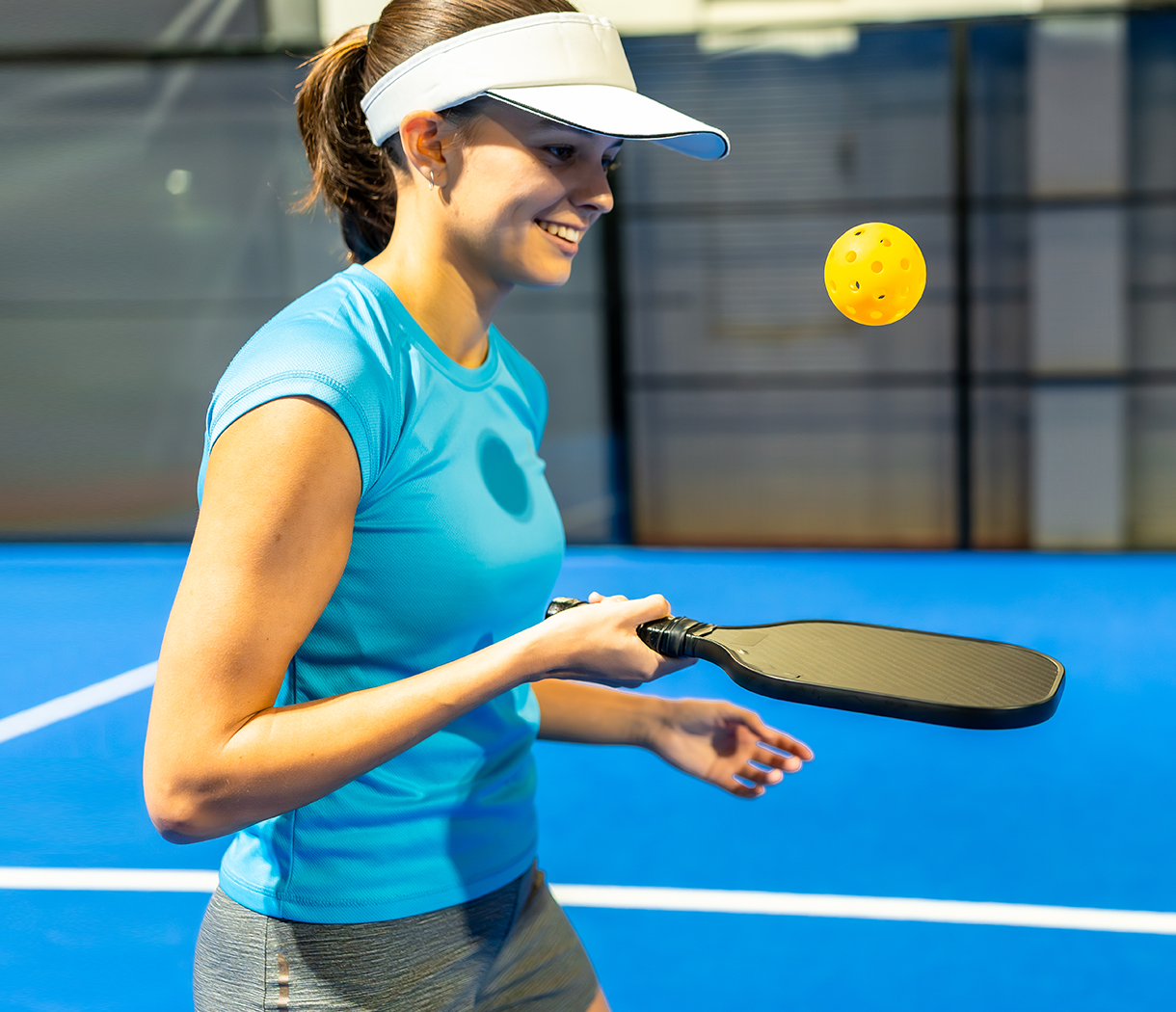
Congratulations on picking up a paddle and joining the fastest-growing sport across the country. Your first year of pickleball is exciting, full of new friends, friendly rallies, and that satisfying pop of the ball. But what many beginners don’t realize is how hard the sport hits the body. Sudden lunges, repetitive swings, and playing multiple days in a row can leave you sore, stiff, and even injured. That’s where CO₂ cryotherapy comes in. This guide explains why adding localized CO₂ cryotherapy to your weekly routine can help you recover faster, stay on the court longer, and actually enjoy your first year without unnecessary pain.
1. The Hidden Toll of Starting Pickleball: What Beginners Don’t Expect
1.1. Sudden Movements Your Body Isn’t Ready For
Pickleball looks gentle from the sidelines, but the reality is different. Quick side-to-side shuffles, deep forward lunges, and overhead swings use muscles you may not have engaged in years. Beginners often play several times a week out of pure excitement, leaving little time for the body to adapt. The result is delayed-onset muscle soreness (DOMS) that peaks two days after playing, making everyday actions like climbing stairs or lifting a coffee cup surprisingly painful. CO₂ cryotherapy helps calm that post-play inflammation so you can get back to the court sooner.
1.2. The Most Common Beginner Injuries and Why They Happen
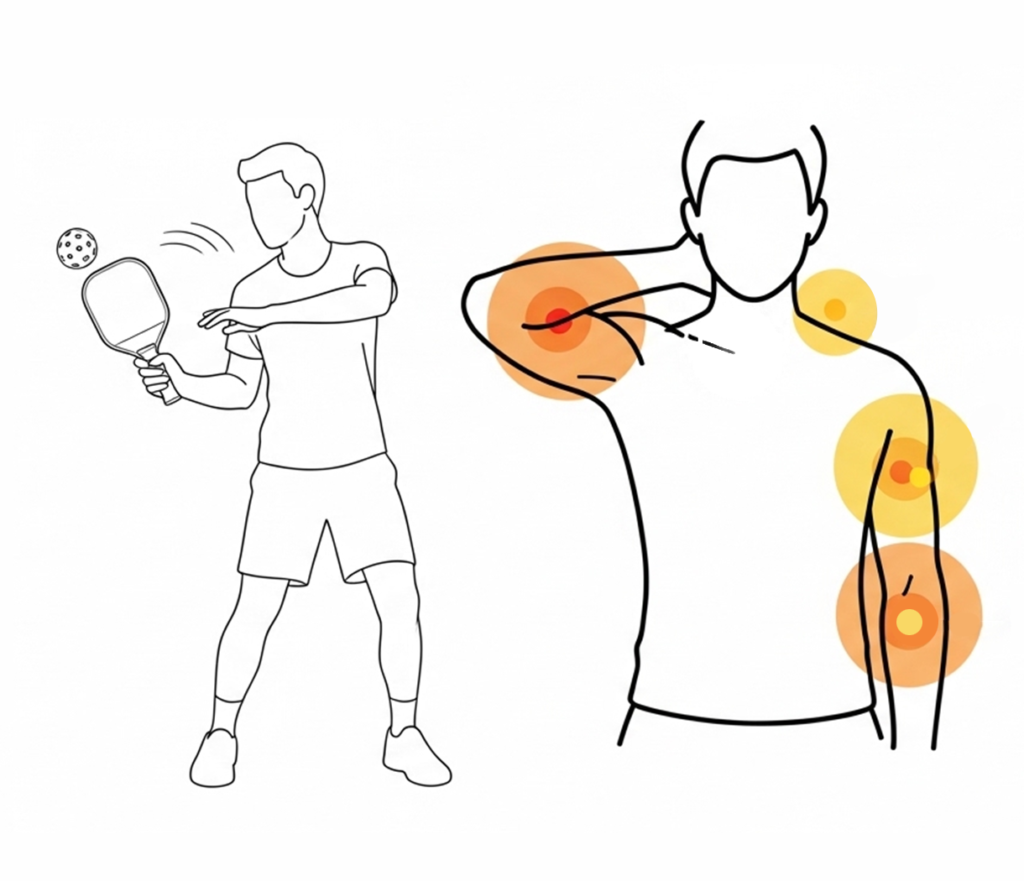
New pickleball players frequently develop “pickleball elbow” (pain on the outside of the elbow), sore shoulders from serving, and aching knees from repeated lunges. These aren’t signs of being out of shape—they’re signs of repetitive stress on unprepared tissues. Unlike seasoned players who have built up resilience over time, beginners put sudden, high-intensity demands on tendons and joints that haven’t adapted yet. CO₂ cryotherapy can be applied locally to these specific trouble spots, reducing swelling and numbing surface nerve endings for temporary relief, which allows you to continue playing while your body gradually strengthens.
1.3. Why Ignoring Small Aches Leads to Big Downtime
Many beginners brush off minor soreness as just “getting older” or part of being active. But small aches that aren’t addressed often turn into chronic tendonitis, bursitis, or even small muscle tears. A twinge in the elbow today can become a brace-wearing, court-sidelining injury next month. The first year is when playing habits are formed, and ignoring recovery sets a bad pattern. CO₂ cryotherapy offers a proactive way to manage these early warning signs. By cooling inflamed tissues after each match, you reduce the cumulative damage that leads to long layoffs.
2. Why Traditional Recovery Methods Fall Short for New Players
2.1. Rest Alone Wastes Your Momentum
The simplest advice for soreness is to “take a few days off.” But for an eager beginner, days off mean losing rhythm, missing games with new friends, and possibly losing the habit altogether. Rest is passive—it does nothing to actively flush out metabolic waste or speed tissue repair. CO₂ cryotherapy is active recovery. A 5-10 minute localized treatment targets the exact areas that are barking at you, so you can rest less and play more. It doesn’t replace rest entirely, but it compresses the recovery window dramatically.
2.2. Over-the-Counter Pain Relievers Have Downsides
Ibuprofen and naproxen are go-tos for sore muscles, but they come with risks when used frequently. Long-term or even regular use can irritate the stomach, affect kidney function, and mask pain signals that warn you of real injury. They also don’t address the root cause—inflammation deep in the tissues. CO₂ cryotherapy works externally, without pills entering your system. The intense cold causes blood vessels to constrict and then dilate (the hunting response), which naturally flushes inflammatory mediators from the area. It’s a drug-free alternative that works with your body, not against it.
2.3. Ice Packs Are Messy, Inconvenient, and Less Effective
Slapping a gel ice pack on your elbow sounds simple, but ice packs warm up quickly, don’t penetrate deep muscle layers, and can’t be precisely aimed at small injured spots. You also have to sit still with a dripping, bulky pack strapped to your arm. CO₂ cryotherapy devices deliver a focused, controlled stream of cold carbon dioxide gas. The treatment is dry, so no wet towels or melted ice. The cold reaches deeper and more evenly than a gel pack, and you can move around during the brief session. It’s a modern upgrade that fits a beginner’s busy schedule.
3. How CO₂ Cryotherapy Targets Common Beginner Injuries
3.1. Reducing Inflammation Without Freezing Your Whole Body
Whole-body cryotherapy chambers are great, but they’re not practical for a quick elbow or knee treatment. Localized CO₂ cryotherapy directs intense cold precisely where you need it—your tender elbow tendon, your aching shoulder, or your swollen knee. The gas is sprayed over the skin at controlled temperatures, rapidly cooling the underlying tissue. This reduces the release of pro-inflammatory cytokines and slows nerve conduction velocity, which means less swelling and less pain. You get the benefits of cold therapy without stepping into a freezer or exposing your whole body to extreme temperatures.
3.2. Speeding Up Muscle Repair After Repeated Play
When you play pickleball three or four times a week as a beginner, your muscles never fully recover between sessions. Micro-tears accumulate, soreness builds, and performance drops. CO₂ cryotherapy helps accelerate the repair process by increasing circulation after the cold is removed (rebound hyperemia). More blood flow means more oxygen and nutrients reaching damaged muscle fibers, and faster removal of lactic acid and other metabolic waste. Players who use localized cryotherapy report feeling less stiff the morning after a match and being able to play again sooner.
3.3. Managing Tendon Pain So You Can Keep Your Form
Tendons heal slowly because they have poor blood supply. Beginners often develop tendonitis in the elbow (lateral epicondylitis) or patellar tendon below the kneecap. Once tendon pain starts, it can linger for months if not managed properly. CO₂ cryotherapy doesn’t cure tendonitis overnight, but it effectively manages the pain and inflammation that keep you from playing with good form. Less pain allows you to practice proper stroke mechanics, which actually prevents further injury. It breaks the cycle of pain → poor form → more pain.
4. Making CO₂ Cryotherapy Part of Your Weekly Routine as a New Player
4.1. When to Treat: Before, After, or Both
Timing matters. For best results, most players use CO₂ cryotherapy immediately after a match or practice session. Post-play treatment catches inflammation when it’s just starting to ramp up, preventing the worst of next-day soreness. Some players also use a brief pre-play treatment to temporarily reduce existing pain and increase local blood flow for warm-up. As a beginner, start with post-play sessions 2-3 times per week. You can adjust frequency based on how your body feels. Consistency is more important than intensity.
4.2. How to Pair Cryotherapy with Stretching and Hydration
CO₂ cryotherapy works best as part of a complete recovery toolkit. After a treatment, your muscles are less inflamed and more receptive to gentle stretching. Follow a short cryo session with light static stretches for your forearms, shoulders, and calves. Drink plenty of water before and after—cold therapy can temporarily increase metabolic demand, and hydration supports the flushing of waste products. You don’t need expensive gear or complicated protocols. Just a few minutes of cold, then a few minutes of movement and water.
4.3. Signs You’re Using the Right Amount (and When to Back Off)
More isn’t always better. Using CO₂ cryotherapy daily on the same spot might over-cool the area and reduce the beneficial inflammatory response needed for long-term healing. Stick to 2-4 sessions per week, each lasting no more than 10 minutes per body part. If you notice excessive numbness that lasts hours, or if pain increases rather than decreases, reduce frequency. Your body will tell you what works. The goal is to reduce soreness so you can play, not to numb yourself into ignoring a real injury that needs medical attention.
5. Common Questions and Smart Strategies for Long-Term Success
5.1. How to Track Your Recovery Progress as a Beginner
Keeping a simple recovery log can help you see whether CO₂ cryotherapy is working for you. After each match, rate your soreness on a scale of 1-10 for your elbow, shoulder, and knee. Note when you used cryotherapy and how long the session lasted. Over a few weeks, you should notice that your baseline soreness drops, or that you recover faster after similar levels of play. If you see no improvement after four weeks of consistent use, consider adjusting frequency or checking in with a coach about your form. Tracking takes only a minute but gives you real data to make smart decisions about your body.
ЧАСТО ЗАДАВАЕМЫЕ ВОПРОСЫ
How soon after playing pickleball should I use CO₂ cryotherapy?
Within 30 minutes to 2 hours after your match for best results.
Can I use CO₂ cryotherapy if I already have a pickleball elbow injury?
Yes, it helps manage pain and inflammation, but consult a professional for serious injuries.
Do I need special equipment for home use?
Localized CO₂ cryotherapy devices are available for home use, or you can visit a local wellness center.
Will cryotherapy make my muscles weaker over time?
No. When used properly, it aids recovery and does not negatively affect strength or muscle growth.
Заключение
Your first year of pickleball should be about learning, having fun, and building a healthy habit—not nursing chronic aches or sitting on the sidelines. CO₂ cryotherapy gives you a practical, drug-free, and time-efficient way to recover from the unique demands of this fast-growing sport. By adding localized cold treatments to your weekly routine, you’ll bounce back faster from soreness, keep your form clean, and actually enjoy the journey. Pickleball is meant to be played for life. Start your first year smart, and you’ll be playing strong for many more.
Ссылки
LocalCryotherapy – Official CO₂ Cryotherapy Services:
https://www.localcryotherapy.com/
Pickleball Injuries – Epidemiology and Prevention (PubMed):
https://pubmed.ncbi.nlm.nih.gov/38968290/
American Council on Exercise – Recovery Techniques for Racquet Sports:
Cryotherapy in Sports Medicine – Journal of Athletic Training:
https://journals.humankinetics.com/view/journals/jsr/31/3/article-p245.xml
Mayo Clinic – Cold Therapy for Muscle Soreness:
https://www.mayoclinic.org/healthy-lifestyle/fitness/in-depth/exercise/art-20045506