Введение
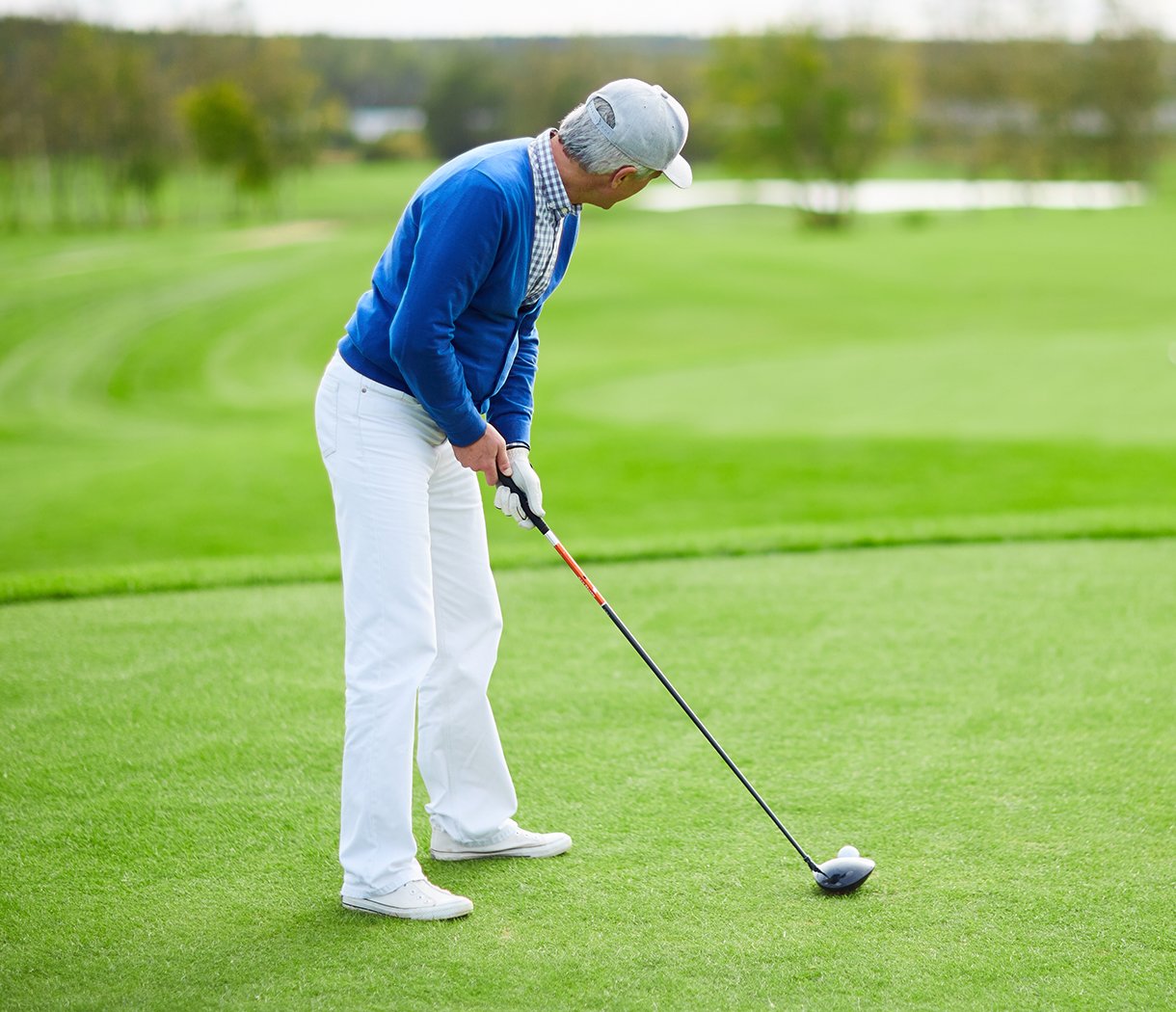
Golf requires a combination of strength, flexibility, coordination, and controlled movement. Although it is considered a low-impact sport, repetitive swings, long periods of walking, and repeated rotational movements can place stress on different areas of the body, including the shoulders, elbows, wrists, hips, and lower back. CO₂ cryotherapy, also known as localized cryotherapy or targeted cold therapy, has become an increasingly popular recovery approach among active individuals who want to support muscle comfort and recovery after physical activity. By delivering controlled carbon dioxide cooling to specific areas, CO₂ cryotherapy provides golfers with a convenient option to include cold therapy as part of their overall wellness and recovery routine.
1. Understanding Physical Stress in Golf and Recovery Needs
1.1 Why Golfers Experience Muscle Fatigue and Discomfort
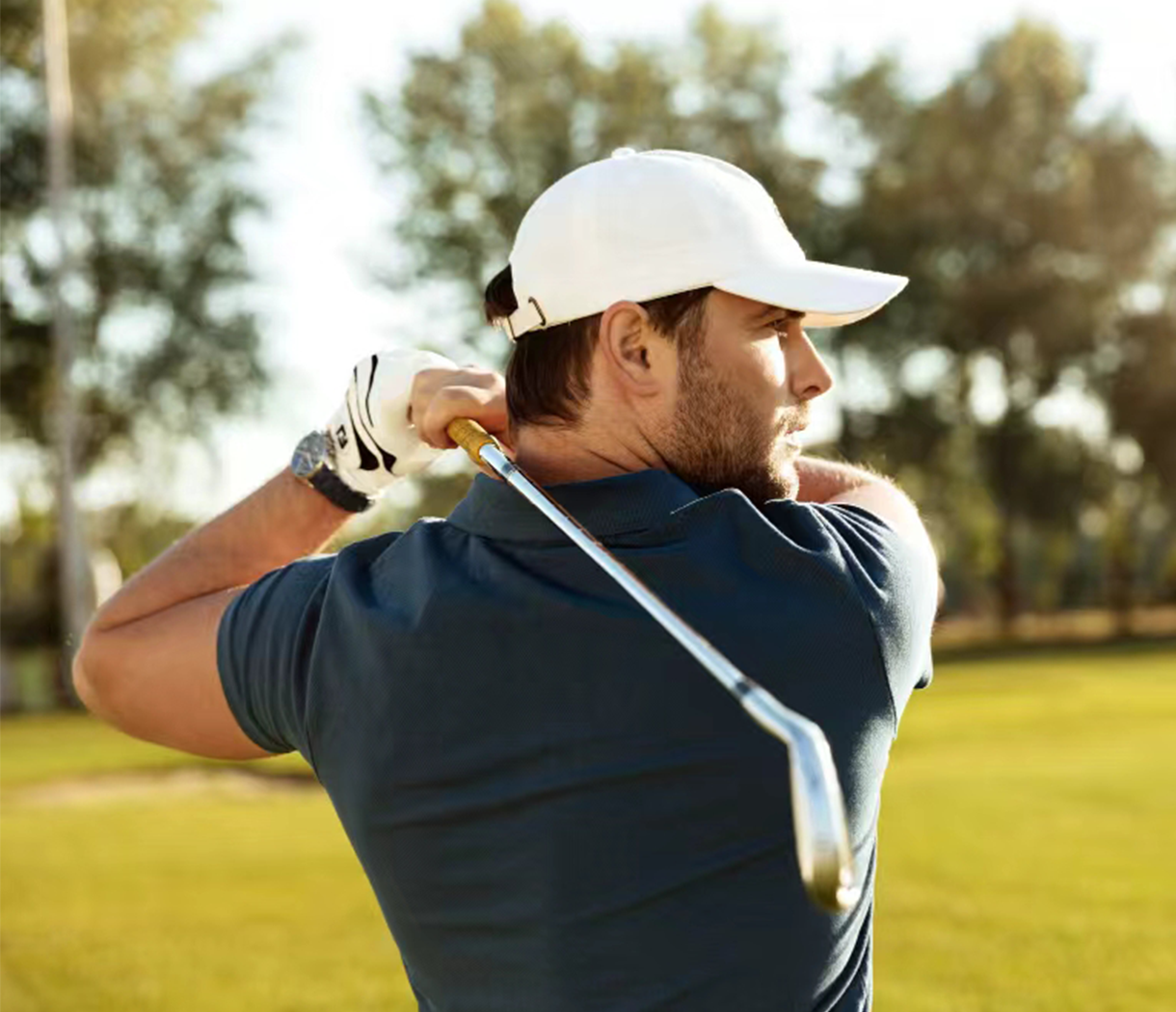
Golf involves repeated rotational movements that require cooperation between the upper and lower body. During a swing, muscles around the shoulders, arms, core, hips, and legs work together to create controlled power and movement. Repeating these motions over multiple rounds can contribute to temporary muscle fatigue and stiffness, especially when golfers practice frequently or participate in long sessions.
In addition to swinging, golfers often spend several hours walking across courses while carrying or pulling equipment. These activities can increase physical demands on the lower body, particularly the calves, knees, hips, and lower back. Supporting recovery after activity helps golfers maintain comfort and continue enjoying the sport.
1.2 Common Areas Golfers Focus on During Recovery
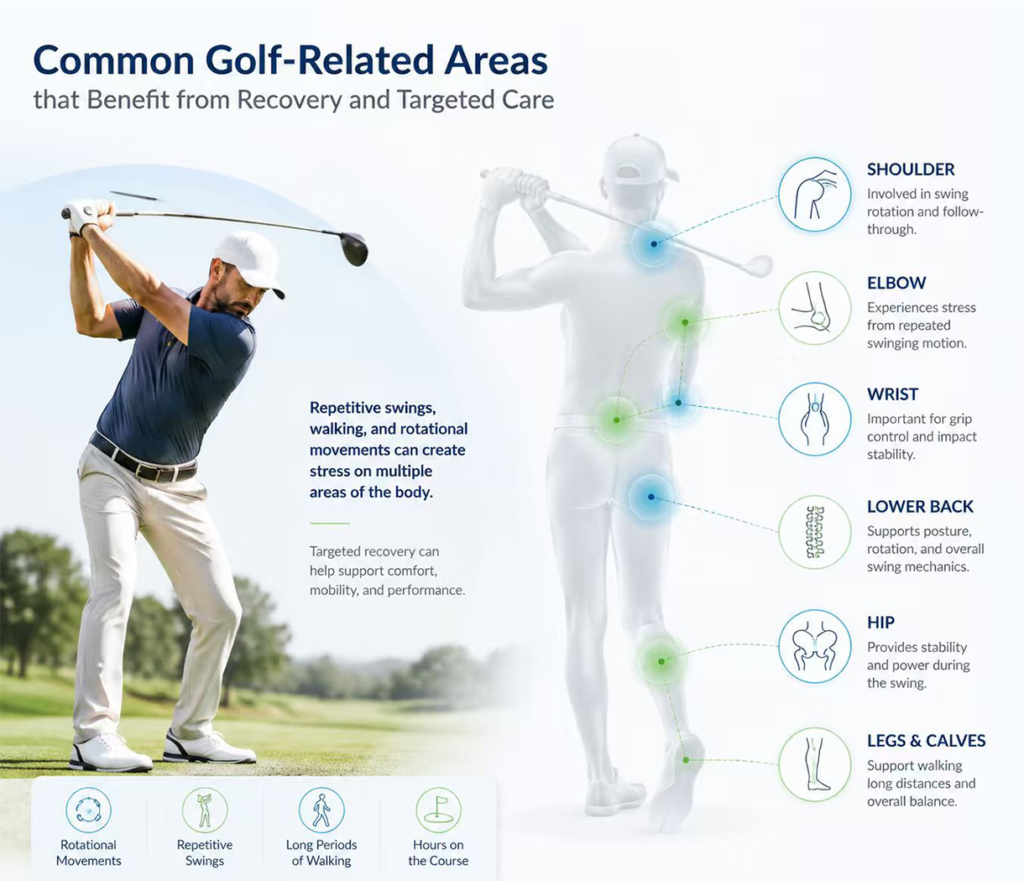
Different parts of the body contribute to golf performance, making targeted recovery an important consideration. The shoulders and elbows are frequently involved because of repeated swinging motions, while the wrists experience continuous movement during grip control and impact.
The lower body also plays an important role in golf stability. The hips, thighs, and lower back support balance and rotation throughout the swing. Many golfers explore localized recovery methods because they allow attention to specific areas rather than applying general cooling methods to the entire body.
1.3 The Importance of Recovery in Maintaining Golf Performance
Recovery is an essential part of any active lifestyle. For golfers, maintaining flexibility, movement quality, and muscle comfort can support consistent participation in training and recreational play.
A balanced recovery routine may include stretching, hydration, proper rest, mobility exercises, and supportive technologies such as CO₂ cryotherapy. These approaches work together to help individuals manage everyday physical demands associated with golf.
2. How CO₂ Cryotherapy Works for Targeted Cold Therapy
2.1 Understanding CO₂ Cryotherapy Technology
CO₂ cryotherapy uses carbon dioxide gas to create a rapid cooling effect on targeted areas of the body. Unlike traditional ice packs that cover a larger area and require direct contact for longer periods, localized CO₂ cryotherapy focuses cooling on specific regions.
The controlled cooling process is designed to support the body’s natural responses to temperature changes. Many users choose localized cryotherapy because it allows precise application to areas that experience temporary muscle stress after physical activities.
2.2 The Role of Cold Exposure in Sports Recovery
Cold therapy has long been used in sports and wellness settings because temperature changes can influence how the body responds after physical activity. Localized cooling may help support comfort, reduce feelings of temporary soreness, and provide a refreshing recovery experience.
CO₂ cryotherapy offers a modern approach by combining targeted application with fast cooling technology. For golfers, this means the ability to focus on specific areas involved in repetitive movement, such as the elbow, shoulder, or lower back.
2.3 Why Targeted Cryotherapy Appeals to Golfers
Golfers often have different recovery needs depending on their playing style, training frequency, and physical condition. A player who practices daily may focus on different areas compared with someone who plays occasionally.
Localized CO₂ cryotherapy provides flexibility because users can direct cooling toward specific muscle groups after practice sessions, games, or physically demanding days. This targeted approach makes it a useful addition to modern sports recovery routines.
3. CO₂ Cryotherapy for Common Golf-Related Recovery Areas
3.1 Supporting Shoulder and Upper Body Comfort
The shoulder plays a major role in golf because it helps generate controlled movement during the backswing and follow-through. Repeated rotation can place temporary stress on surrounding muscles and soft tissues.
Many golfers focus on shoulder recovery because maintaining upper-body comfort can support smooth movement patterns. CO₂ cryotherapy may be used as part of a broader recovery routine designed to support relaxation and comfort in this area.
3.2 Supporting Elbow and Forearm Recovery
The elbow and forearm are highly involved in grip control and swing mechanics. Repetitive motion can contribute to temporary tightness or fatigue in these areas, especially for golfers who spend significant time practicing.
Localized cold therapy allows golfers to focus cooling on specific areas around the elbow and forearm. This approach can complement other recovery habits such as stretching and mobility exercises.
3.3 Supporting Lower Body Recovery After Golf Activities
Although golf is often associated with upper-body movement, the lower body provides stability and power throughout the swing. Walking long distances and maintaining balance during play can place additional demands on the hips, thighs, and calves.
CO₂ cryotherapy can be incorporated into lower-body recovery routines by targeting areas that experience temporary fatigue after extended activity. This helps golfers pay attention to the full-body demands of the sport.
4. Incorporating CO₂ Cryotherapy Into a Golfer’s Recovery Routine
4.1 When Golfers May Consider Localized Cryotherapy
Many golfers choose recovery methods after activities that create increased physical demands, such as practice sessions, tournaments, or long days on the course.
CO₂ cryotherapy can fit into different recovery schedules because localized treatments are designed for specific body areas. Some individuals prefer using cold therapy after activity, while others include it as part of a regular wellness routine.
4.2 Combining CO₂ Cryotherapy With Other Recovery Habits
Cold therapy works best when combined with a complete approach to physical wellness. Golfers often pay attention to flexibility training, strength exercises, warm-up routines, hydration, and adequate rest.
By combining CO₂ cryotherapy with these habits, golfers can create a more comprehensive recovery strategy focused on maintaining comfort and supporting an active lifestyle.
4.3 The Convenience of Modern Localized Cryotherapy
Traditional recovery methods may require preparation, equipment, or longer application times. Modern CO₂ cryotherapy systems provide a more targeted option that fits into busy schedules.
For golfers who balance training, work, and personal activities, convenient recovery technologies can make it easier to maintain consistent wellness habits throughout the year.
5. Choosing CO₂ Cryotherapy as Part of a Golf Recovery Strategy
5.1 Factors to Consider When Exploring CO₂ Cryotherapy
When considering CO₂ cryotherapy, golfers should understand important factors such as application method, targeted treatment areas, device design, and how the technology fits into their personal recovery goals.
Every golfer has different physical needs based on activity level, playing frequency, and fitness background. A personalized approach helps individuals choose recovery methods that match their lifestyle.
5.2 The Future of Cold Therapy in Sports and Wellness
As sports recovery technology continues to develop, localized cryotherapy remains an important area within modern wellness practices. More active individuals are exploring targeted cold therapy because it offers a convenient way to support everyday comfort after physical activities.
For golfers, CO₂ cryotherapy represents one possible tool within a larger recovery approach. When combined with healthy movement habits and proper self-care, it can support a more comfortable and sustainable golf experience.
ЧАСТО ЗАДАВАЕМЫЕ ВОПРОСЫ
What is CO₂ cryotherapy?
CO₂ cryotherapy is a localized cold therapy method that uses carbon dioxide cooling technology to target specific body areas.
Why do golfers use CO₂ cryotherapy?
Golfers use CO₂ cryotherapy as part of recovery routines to support muscle comfort after repetitive swings, walking, and physical activity.
Which areas can golfers focus on with localized cryotherapy?
Common areas include shoulders, elbows, wrists, lower back, hips, and legs.
How long does a CO₂ cryotherapy session usually take?
Session time depends on the equipment and application area. Many localized cryotherapy sessions are designed to be completed quickly.
Can CO₂ cryotherapy replace stretching and exercise?
No. CO₂ cryotherapy works as a supportive recovery method and should be combined with proper movement, training, and healthy lifestyle habits.
Заключение
CO₂ cryotherapy provides golfers with a modern approach to targeted cold therapy that can complement traditional recovery habits. Because golf involves repetitive swings, long periods of movement, and full-body coordination, paying attention to muscle comfort and recovery is important for maintaining an active lifestyle. Localized cryotherapy allows golfers to focus on specific areas such as shoulders, elbows, wrists, and legs while incorporating a convenient wellness technology into their routine. As part of a balanced recovery strategy, CO₂ cryotherapy can support golfers who want to stay comfortable and continue enjoying the sport.
Ссылки
Cryotherapy in Sports Medicine: A Review of the Current Evidence
https://pubmed.ncbi.nlm.nih.gov/26027890
Cold Therapy and Its Effects on Exercise Recovery
https://pubmed.ncbi.nlm.nih.gov/27266835
The Effects of Local Cooling on Physiological Responses
https://www.ncbi.nlm.nih.gov/pmc/articles/PMC5024532
Whole-Body and Localized Cryotherapy: Applications in Sports Recovery
https://www.ncbi.nlm.nih.gov/pmc/articles/PMC6470927
Physical Activity, Muscle Recovery, and Cold-Based Recovery Strategies