
Введение
Artists often spend long hours using their hands, wrists, shoulders, and upper body to create detailed work. Whether painting, sculpting, illustrating, designing, or crafting, repetitive movements and extended creative sessions can place continuous demands on muscles and joints. CO₂ cryotherapy, also known as carbon dioxide cryotherapy or localized cold therapy, has gained attention as a non-invasive technology that supports comfort in targeted areas. By applying controlled cold temperatures to specific body regions, CO₂ cryotherapy provides a modern option for artists and creative professionals who want to include innovative recovery methods in their daily wellness routines.
1. Understanding Physical Challenges Faced by Artists During Creative Work
Creative work requires precision, concentration, and consistent physical movement. While artistic activities are often associated with imagination and skill, the physical requirements behind them can also influence hand, wrist, shoulder, and neck comfort. Understanding these challenges helps explain why targeted cold therapy has become an area of interest among creative professionals.
1.1 How Repetitive Artistic Movements Affect the Body
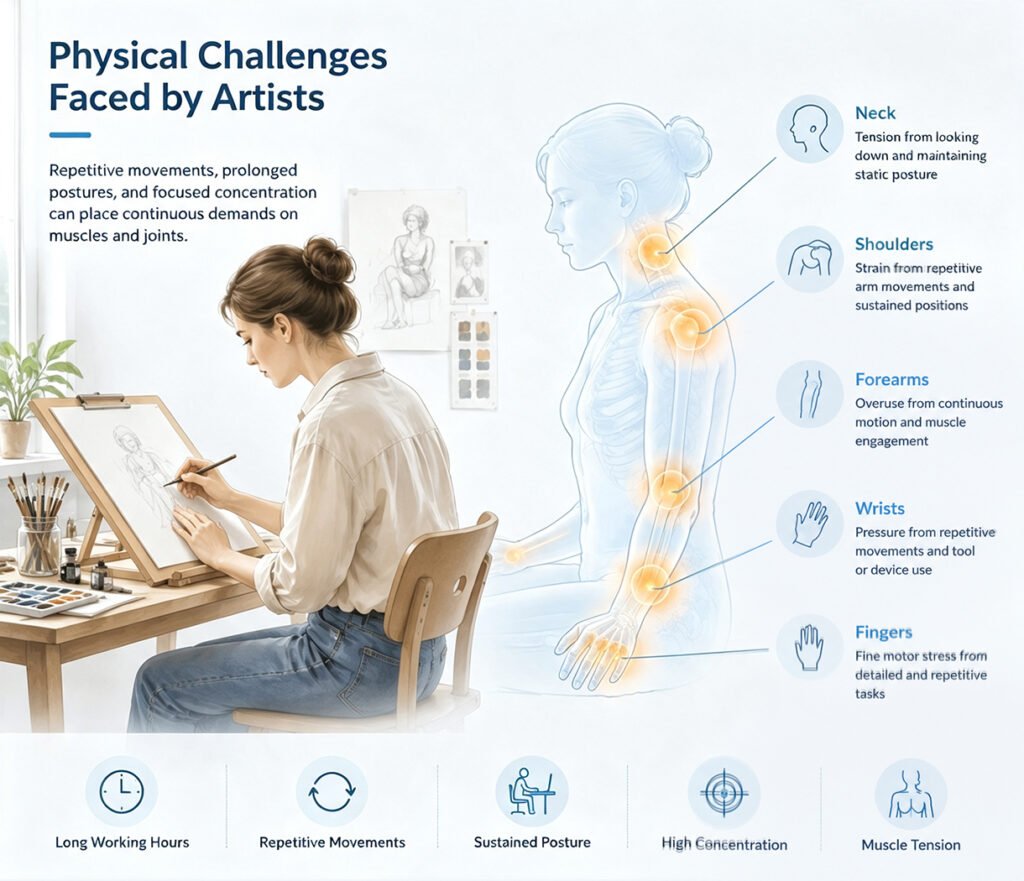
Many artistic activities involve repeated movements over extended periods. Painters may repeatedly move brushes across a canvas, sculptors may apply pressure with their hands, and digital artists may spend hours using tablets or computer equipment.
These repeated motions can place ongoing stress on specific muscle groups and joints. Areas such as fingers, wrists, forearms, shoulders, and neck muscles often remain active for long periods, especially during detailed creative projects that require accuracy and focus.
Maintaining physical comfort is important because artists depend on consistent hand control and body coordination. Supportive approaches that focus on relaxation and recovery routines can help creative professionals maintain their normal workflow.
1.2 Common Areas of Discomfort Among Creative Professionals
Artists may experience discomfort in different areas depending on their creative discipline. Painters and illustrators often focus on hand and wrist movements, while sculptors may place more demand on their hands, forearms, and shoulders.
Digital creators may experience tension around the wrists, upper arms, and neck due to extended computer or tablet use. Musicians, photographers, and craft professionals may also experience physical stress from repetitive positioning and controlled movements.
Because each creative activity involves unique physical demands, targeted wellness solutions are becoming increasingly popular among individuals looking for convenient ways to support specific body areas.
1.3 Why Recovery Habits Matter for Long Creative Sessions
Creative projects often require extended periods of concentration. Long working sessions may involve limited movement, repeated gestures, and sustained posture, which can influence muscle comfort and flexibility.
Developing balanced recovery habits, including movement breaks, stretching, proper workspace setup, and supportive technologies, can help artists maintain better daily routines. CO₂ cryotherapy is one option that some creative professionals explore as part of their overall wellness approach.
2. How CO₂ Cryotherapy Supports Creative Professionals
CO₂ cryotherapy uses carbon dioxide gas to create controlled cooling on targeted body areas. Unlike traditional cold methods that rely on ice packs or general cooling, localized cryotherapy focuses on applying cold directly to specific regions. This section explains the technology behind CO₂ cryotherapy and why it has become an interesting option for artists.
2.1 Understanding CO₂ Cryotherapy Technology
CO₂ cryotherapy is a form of localized cold therapy that uses carbon dioxide to create rapid temperature changes on the skin surface. The controlled cooling process is designed to provide a focused cold application without requiring large equipment or full-body exposure.
This technology allows professionals to target areas where they commonly experience physical tension or discomfort. For artists, this may include the hands, wrists, forearms, shoulders, and other areas involved in creative activities.
The targeted nature of CO₂ cryotherapy makes it different from traditional cooling methods because users can focus on specific areas rather than applying cold treatment broadly.
2.2 The Role of Localized Cold Therapy in Supporting Comfort
Cold therapy has long been associated with supporting physical comfort after activity. Localized cold therapy focuses on specific body areas, making it suitable for individuals who want a targeted approach.
For artists, targeted application may fit naturally into creative routines because many discomfort areas are connected to repeated movements. Applying cold therapy to selected areas can become part of a broader wellness plan that includes proper ergonomics, stretching, and rest.
CO₂ cryotherapy does not replace professional medical care, but it can serve as a supportive tool for individuals interested in maintaining comfort during active lifestyles.
2.3 Why Artists Are Exploring Targeted Cryotherapy Options
Traditional recovery methods are not always convenient during busy creative schedules. Artists often balance deadlines, projects, exhibitions, and personal creative goals, making easy-to-use wellness solutions attractive.
Localized CO₂ cryotherapy offers a practical approach because it focuses on specific areas and can be integrated into professional wellness environments, studios, or recovery routines. This convenience is one reason targeted cold therapy continues gaining attention among different professional groups.
3. Potential Applications of CO₂ Cryotherapy in Artistic Fields
Different types of artists have different physical requirements. From traditional painting to modern digital creation, each discipline involves unique movement patterns. CO₂ cryotherapy can be considered as part of a personalized approach to supporting physical comfort.
3.1 Supporting Hand and Wrist Comfort for Painters and Illustrators
Painters and illustrators often depend on precise hand movements for detailed artwork. Holding brushes, controlling strokes, and maintaining specific positions for long periods can place continuous demands on the hands and wrists.
Localized CO₂ cryotherapy may be used as part of a comfort-focused routine for these areas. By targeting commonly used regions, artists can combine cold therapy with other healthy habits such as hand exercises, posture adjustments, and regular breaks.
Maintaining hand comfort is especially important for creative professionals because small movements can influence artistic control and productivity.
3.2 Supporting Shoulder and Upper Body Comfort for Sculptors and Designers
Sculptors and designers often use their upper body strength during creative activities. Working with materials, shaping objects, or maintaining certain positions can involve the shoulders, arms, and upper back.
CO₂ cryotherapy provides a targeted cold therapy option for individuals who want to focus on these areas after creative sessions. The approach allows users to address specific regions associated with physical activity while maintaining their regular creative routines.
Combining localized cold therapy with movement and proper workspace design can support a balanced approach to creative wellness.
3.3 Supporting Digital Artists During Extended Computer Work
Digital artists often spend many hours using drawing tablets, keyboards, and computer equipment. Long periods of screen-based creation may involve repeated wrist movements and static postures.
CO₂ cryotherapy may be considered as part of a broader routine focused on hand, wrist, shoulder, and neck comfort. Along with ergonomic equipment and regular movement, targeted cold therapy can help digital creators maintain a more comfortable working environment.
4. Integrating CO₂ Cryotherapy Into an Artist’s Wellness Routine
Modern artists often combine creativity with technology, and wellness practices are also becoming more technology-driven. CO₂ cryotherapy represents one example of how targeted solutions can support individuals with physically demanding creative activities.
4.1 Creating a Balanced Recovery Routine for Creative Work
A balanced creative routine involves more than completing projects. It also includes maintaining physical comfort through healthy habits. Artists may benefit from combining regular movement, proper posture, hydration, and recovery practices.
CO₂ cryotherapy can become one part of this routine by providing targeted cold application for areas frequently involved in artistic activities.
The goal is not to replace professional care but to support overall wellness strategies that help artists continue their creative work.
4.2 How Local Cryotherapy Fits Into Professional Wellness Environments
Studios, wellness centers, and professional recovery facilities are increasingly interested in technologies that support active lifestyles. Local cryotherapy equipment provides an option for targeted applications without requiring full-body systems.
For creative professionals, localized treatments can align with their needs because artistic activities often involve specific body areas rather than the entire body.
This targeted approach makes CO₂ cryotherapy a flexible technology for different professional environments.
4.3 Choosing the Right CO₂ Cryotherapy Approach
When considering CO₂ cryotherapy, users should evaluate factors such as application areas, device design, safety instructions, and professional guidance.
Different individuals have different creative routines and physical demands. Understanding personal needs helps users choose appropriate wellness approaches that match their lifestyle.
Responsible use and realistic expectations are important parts of incorporating any technology into a daily routine.
5. The Future of CO₂ Cryotherapy for Creative and Professional Wellness
As more professionals focus on maintaining long-term comfort during active lifestyles, targeted wellness technologies continue developing. CO₂ cryotherapy represents an emerging option within the broader field of non-invasive recovery solutions.
5.1 Growing Interest in Personalized Cold Therapy
Personalized wellness has become increasingly popular because individuals want solutions that match their specific needs. Unlike general approaches, localized cold therapy allows users to focus on particular areas affected by their daily activities.
For artists, this personalization can be valuable because different creative disciplines create different physical demands. A painter, sculptor, and digital designer may all require different approaches to maintaining comfort.
5.2 The Role of Technology in Supporting Creative Professionals
Technology continues influencing both artistic creation and personal wellness. As creative tools become more advanced, professionals are also exploring innovative ways to support their physical routines.
CO₂ cryotherapy represents one example of how modern technology can complement traditional wellness practices. With continued development, localized cold therapy may become more accessible for professionals across different creative industries.
ЧАСТО ЗАДАВАЕМЫЕ ВОПРОСЫ
What is CO₂ cryotherapy?
CO₂ cryotherapy is a localized cold therapy method that uses carbon dioxide to create controlled cooling on targeted body areas.
Why might artists consider CO₂ cryotherapy?
Artists may explore CO₂ cryotherapy as part of a wellness routine focused on supporting hand, wrist, shoulder, and muscle comfort.
Can CO₂ cryotherapy replace medical treatment?
No. CO₂ cryotherapy is a supportive wellness technology and does not replace professional medical evaluation or treatment.
Which areas do artists commonly focus on?
Common areas include hands, wrists, forearms, shoulders, and upper body regions involved in creative activities.
Is CO₂ cryotherapy suitable for digital artists?
Digital artists may consider localized cold therapy as part of a broader routine that includes ergonomic practices and regular movement.
Заключение
CO₂ cryotherapy provides a modern localized cold therapy option for artists and creative professionals who want to support physical comfort during demanding creative activities. From painters and sculptors to digital designers, many creative fields require repeated hand movements, extended concentration, and sustained posture. By focusing on targeted areas such as hands, wrists, and shoulders, CO₂ cryotherapy can become part of a balanced wellness routine alongside proper ergonomics, movement habits, and professional guidance when needed.
Ссылки
Localized Cryotherapy: Current Applications and Clinical Perspectives
https://pubmed.ncbi.nlm.nih.gov/30685039
Cryotherapy in Sports Medicine and Rehabilitation
https://www.ncbi.nlm.nih.gov/pmc/articles/PMC4049647
The Effects of Cold Therapy on Pain and Inflammation Management
https://pubmed.ncbi.nlm.nih.gov/23265064
Physical Demands and Musculoskeletal Health in Occupational Activities
https://www.ncbi.nlm.nih.gov/pmc/articles/PMC7037463
Cryotherapy and Its Role in Modern Recovery Practices