Введение
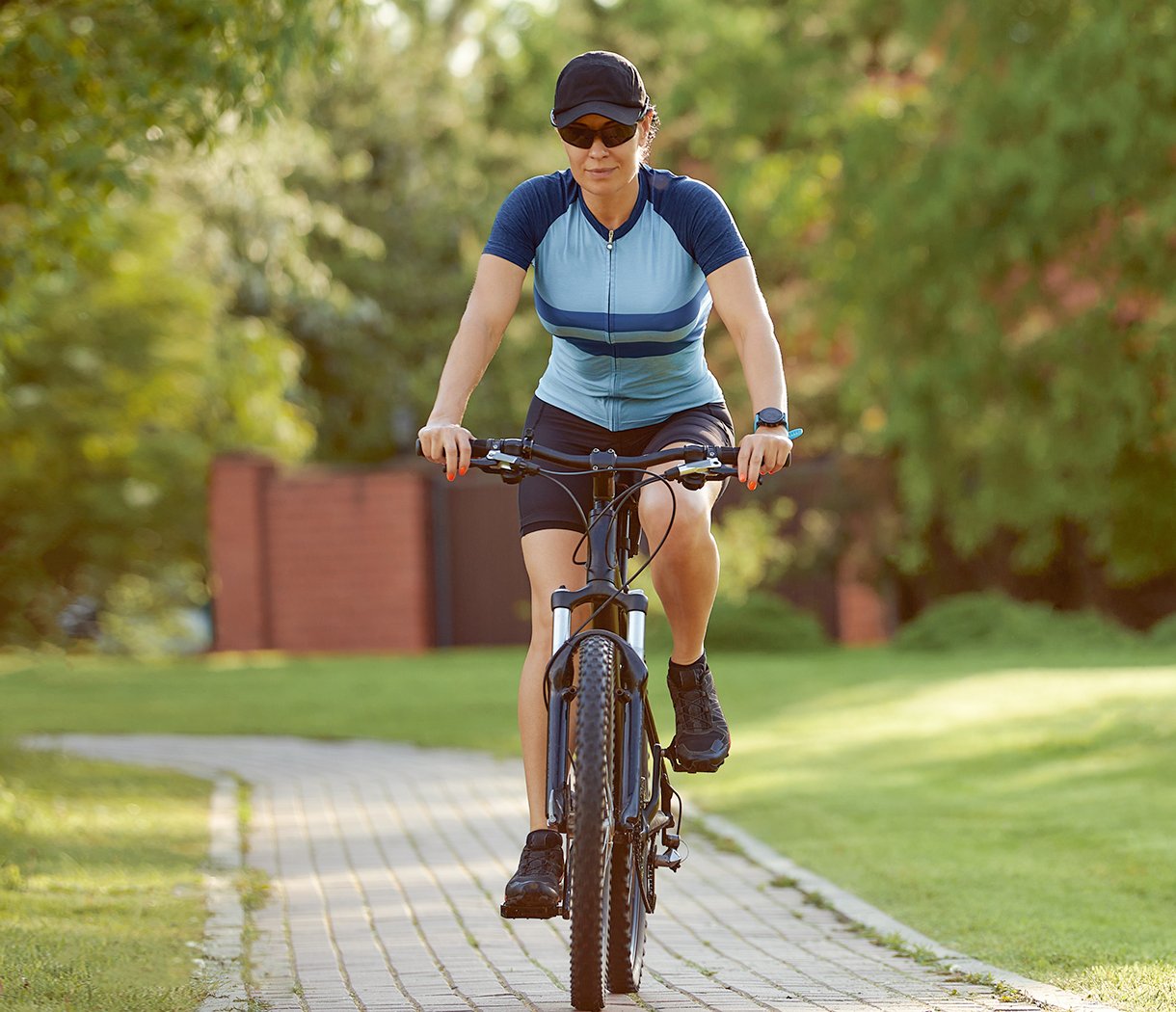
Outdoor activities such as hiking, cycling, climbing, and adventure sports have become popular ways for people to maintain an active lifestyle. However, extended physical activities often place repeated stress on muscles, joints, and soft tissues, which may lead to temporary discomfort, fatigue, and reduced mobility after intense movement. CO₂ Cryotherapy, also known as localized carbon dioxide cryotherapy, has gained attention as a modern recovery technology that uses controlled cold stimulation to support the body’s natural recovery process. By delivering rapid cooling to targeted areas, this non-invasive approach helps outdoor enthusiasts include advanced cold therapy into their personal recovery routines.
1. Understanding CO₂ Cryotherapy for Outdoor Recovery
1.1 What Is CO₂ Cryotherapy?
CO₂ Cryotherapy is a localized cold therapy technology that uses carbon dioxide to create rapid cooling on specific body areas. Unlike traditional ice packs that gradually reduce skin temperature, CO₂ Cryotherapy uses controlled gas application to achieve a quick cooling effect.
The technology focuses on targeted areas instead of exposing the entire body to cold conditions. This allows users to apply cold stimulation to specific regions that experience higher physical stress after outdoor activities, such as legs, knees, shoulders, and lower back.
Localized Cryotherapy has become increasingly popular among active individuals because it offers a convenient approach for supporting muscle comfort and recovery routines after physical activities.
1.2 Why Outdoor Enthusiasts Are Interested in Localized Cryotherapy
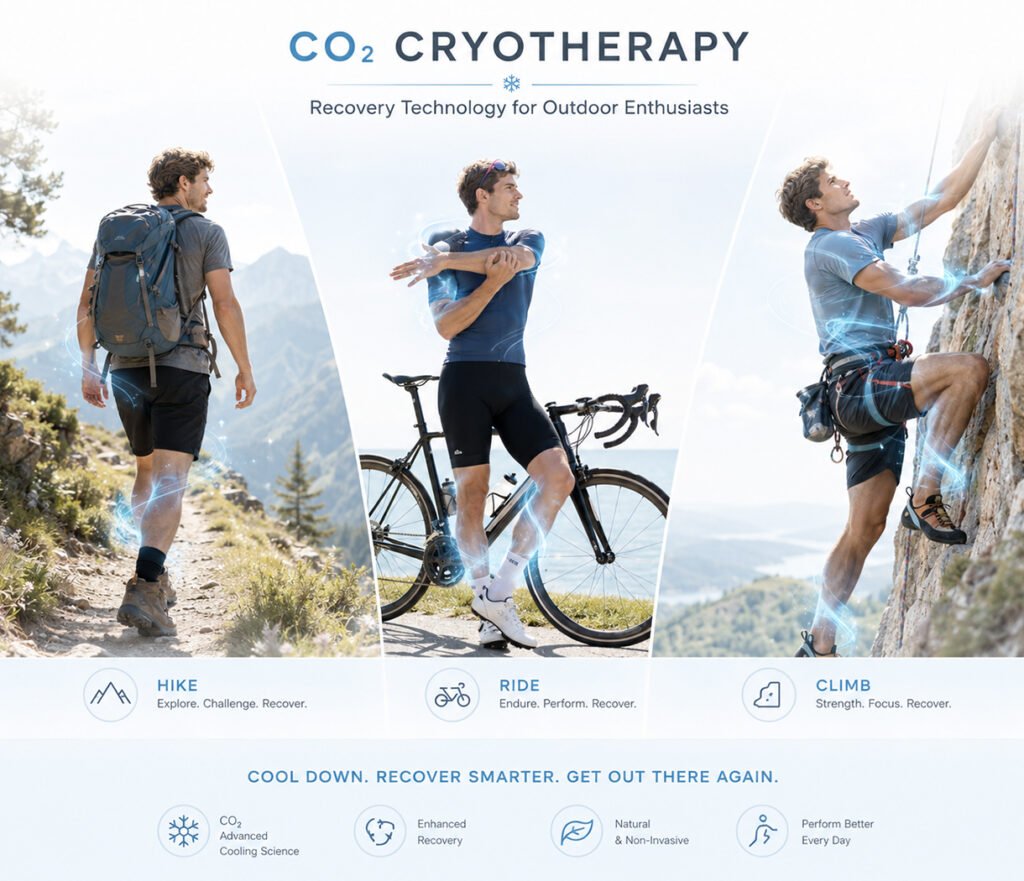
Outdoor enthusiasts often participate in activities that require endurance, balance, and repeated muscle movement. Hiking involves long-distance walking on uneven terrain, cycling requires continuous lower-body movement, and climbing places demands on multiple muscle groups.
After these activities, many individuals experience temporary muscle fatigue and body discomfort. Instead of relying only on traditional recovery habits, active people are exploring advanced technologies such as CO₂ Cryotherapy to support their post-activity routines.
Localized Cryotherapy provides a targeted approach that allows users to focus on specific areas based on their personal recovery needs.
1.3 Common Areas Where Outdoor Enthusiasts Use CO₂ Cryotherapy
Different outdoor activities create stress on different body regions. Understanding common application areas helps users better incorporate this therapy into their recovery plans.
Hikers, common areas of attention include:
- Knees
- Calves
- Ankles
- Lower back
Cyclists, frequently focused areas include:
- Thigh muscles
- Hamstrings
- Knees
- Lower legs
For climbers and adventure athletes, shoulders, arms, and hands may receive more attention because of repeated gripping and upper-body movements.
2. How CO₂ Cryotherapy Supports Post-Activity Recovery
CO₂ Cryotherapy works through controlled cold stimulation that interacts with the body’s natural physiological responses. Understanding these mechanisms helps explain why localized cold therapy has become part of many recovery routines.
2.1 The Science Behind Carbon Dioxide Cooling Technology
Carbon Dioxide Cooling Technology uses CO₂ gas to rapidly decrease skin temperature in a controlled area. The sudden cooling process creates a temporary physiological response known as vasoconstriction, where blood vessels narrow in response to cold exposure.
After the cooling phase, the body naturally works to restore normal temperature balance. This process may support circulation changes and contribute to a refreshed feeling in the targeted area.
For outdoor enthusiasts, this controlled cooling method provides a technology-based option for supporting recovery after demanding physical activities.
2.2 CO₂ Cryotherapy and Muscle Recovery Support
Muscle fatigue is a common experience after long-distance hiking, cycling sessions, or outdoor adventures. Repeated contractions and physical effort can make muscles feel tight or tired.
CO₂ Cryotherapy is often included in recovery routines because targeted cold application may help support muscle comfort after exercise. The cooling effect provides a refreshing sensation and allows users to focus on specific areas that experience greater physical demands.
When combined with proper hydration, stretching, rest, and balanced nutrition, localized cryotherapy can become part of a comprehensive recovery approach.
2.3 Supporting the Body’s Natural Response After Physical Activity
Physical activities create temporary stress on muscles and soft tissues. The body naturally responds through various recovery processes that help restore normal function.
CO₂ Cryotherapy focuses on supporting these natural responses through controlled cold stimulation. The technology does not replace proper recovery habits but provides an additional method for individuals who want to improve their post-activity routine.
For outdoor enthusiasts who regularly participate in challenging activities, having a consistent recovery strategy can help maintain comfort and readiness for future adventures.
3. CO₂ Cryotherapy Applications for Different Outdoor Activities
Outdoor activities vary significantly in movement patterns and physical requirements. Because CO₂ Cryotherapy allows targeted application, it can be adapted to different activity-related recovery needs.
3.1 CO₂ Cryotherapy After Hiking and Trail Activities
Hiking places continuous pressure on the lower body, especially during long-distance routes, uphill climbs, and downhill movements.
The knees, calves, and ankles often experience repeated impact and workload during outdoor trails. After hiking, many enthusiasts focus on recovery methods that help maintain lower-body comfort.
Localized CO₂ Cryotherapy allows users to direct cooling toward specific areas after outdoor exploration. This targeted approach fits well into recovery routines for people who enjoy regular hiking activities.
3.2 CO₂ Cryotherapy for Cycling Recovery
Cycling requires continuous muscle engagement, especially in the thighs, calves, and lower legs. Long-distance cycling can create temporary muscle fatigue due to repeated movement patterns.
Many cyclists pay attention to recovery methods that support muscle relaxation and comfort after training or recreational rides.
CO₂ Cryotherapy provides a localized cooling option that can be incorporated into cycling recovery routines. By focusing on frequently used muscle groups, cyclists can create a more personalized approach to post-ride care.
3.3 CO₂ Cryotherapy for Adventure Sports and Outdoor Challenges
Adventure activities such as climbing, mountain sports, and obstacle events often involve full-body movement. These activities require strength, coordination, and endurance.
Because different muscle groups may experience stress during these activities, targeted recovery methods can be valuable for active individuals.
CO₂ Cryotherapy offers a flexible approach by allowing users to focus on areas that receive more physical demand during outdoor challenges, including shoulders, arms, legs, and joints.
4. Integrating CO₂ Cryotherapy Into an Active Lifestyle
As outdoor activities continue to grow in popularity, more people are looking for recovery methods that fit naturally into their routines. CO₂ Cryotherapy can be combined with traditional recovery habits to create a more complete approach to maintaining physical comfort.
4.1 Combining CO₂ Cryotherapy With Traditional Recovery Methods
Recovery after outdoor activities usually involves multiple elements, including rest, hydration, stretching, and proper nutrition. These basic habits support the body’s natural ability to recover after physical effort.
CO₂ Cryotherapy can work as an additional recovery tool by providing targeted cold stimulation to areas that experience greater activity-related stress. Instead of replacing traditional methods, localized cryotherapy complements existing recovery routines.
For hikers, cyclists, and outdoor enthusiasts, combining advanced technology with healthy lifestyle habits creates a balanced approach to maintaining physical readiness.
4.2 The Convenience of Targeted Cold Therapy for Outdoor Enthusiasts
One advantage of localized CO₂ Cryotherapy is its focus on specific body areas. Full-body cold exposure requires a different approach, while localized cryotherapy allows users to concentrate on particular regions.
Outdoor enthusiasts often have different recovery needs depending on their chosen activities. A cyclist may focus on leg muscles, while a climber may pay more attention to shoulders and arms.
This flexibility makes localized cold therapy suitable for individuals who want a more personalized recovery experience.
4.3 The Role of CO₂ Cryotherapy in Long-Term Fitness Routines
Maintaining an active lifestyle requires more than completing workouts or outdoor challenges. Recovery management is an important part of long-term fitness planning.
Regular outdoor activities can place repeated demands on muscles and joints. Developing a consistent recovery routine helps individuals stay prepared for future activities.
CO₂ Cryotherapy can become part of this routine by providing a technology-based option for supporting muscle comfort and physical relaxation after demanding activities.
5. The Future of CO₂ Cryotherapy in Sports and Wellness
Cold therapy technology continues to develop as more people focus on performance, wellness, and personalized recovery. CO₂ Cryotherapy represents one of the modern approaches combining science and convenience.
5.1 Growing Interest in Personalized Recovery Technology
Personalized wellness has become an important trend among active consumers. People increasingly prefer recovery methods that match their individual activities, body conditions, and lifestyle goals.
Localized CO₂ Cryotherapy supports this trend by allowing targeted application based on specific areas of concern.
As recovery technology continues to advance, future developments may focus on improving precision, convenience, and user experience.
5.2 How CO₂ Cryotherapy Fits Into Modern Wellness Trends
Modern wellness is moving toward preventive care, recovery optimization, and lifestyle-based health management.
Outdoor enthusiasts are not only focused on completing activities but also on maintaining long-term comfort and consistency. Technologies such as CO₂ Cryotherapy provide additional options for individuals who want to support their recovery routines.
By combining advanced cooling technology with healthy lifestyle practices, localized cryotherapy continues to gain attention in sports, fitness, and wellness communities.
ЧАСТО ЗАДАВАЕМЫЕ ВОПРОСЫ
Что такое криотерапия CO₂?
CO₂ Cryotherapy is a localized cold therapy method that uses carbon dioxide cooling technology to provide targeted cold stimulation.
How does CO₂ Cryotherapy support outdoor recovery?
It helps support recovery routines by providing controlled cooling to specific areas that may experience temporary fatigue after physical activities.
Can cyclists and hikers use localized cryotherapy?
Yes. Many active individuals use localized cryotherapy as part of their recovery routines after activities such as cycling, hiking, and outdoor sports.
What body areas are commonly used with CO₂ Cryotherapy?
Common areas include legs, knees, calves, shoulders, arms, and lower back, depending on individual activity needs.
Does CO₂ Cryotherapy replace traditional recovery methods?
No. It is an additional recovery approach that works alongside proper rest, hydration, stretching, and healthy lifestyle habits.
Заключение
Outdoor enthusiasts often challenge their bodies through hiking, cycling, climbing, and other adventure activities that require strength and endurance. CO₂ Cryotherapy provides a modern localized cold therapy approach that supports recovery routines through controlled carbon dioxide cooling technology. By focusing on specific areas such as muscles and joints after physical activities, this non-invasive technology offers a convenient option for individuals who want to maintain physical comfort and support their active lifestyle. Combined with proper recovery habits, localized cryotherapy can become a valuable part of a balanced wellness routine for people who enjoy regular outdoor adventures.
Ссылки
“Cryotherapy in Sports Medicine: A Review of the Effects on Recovery and Performance”
https://www.ncbi.nlm.nih.gov/pmc/articles/PMC4049645
“Cold Application and Its Physiological Effects on Human Tissue”
https://www.ncbi.nlm.nih.gov/pmc/articles/PMC4049640
“Effects of Cryotherapy on Muscle Recovery After Exercise”
https://www.ncbi.nlm.nih.gov/pmc/articles/PMC5628200
“Whole-Body and Local Cryotherapy: Current Perspectives and Applications”
https://www.ncbi.nlm.nih.gov/pmc/articles/PMC8016352
“Cryotherapy and Its Role in Sports Recovery and Physical Wellness”