Introdução
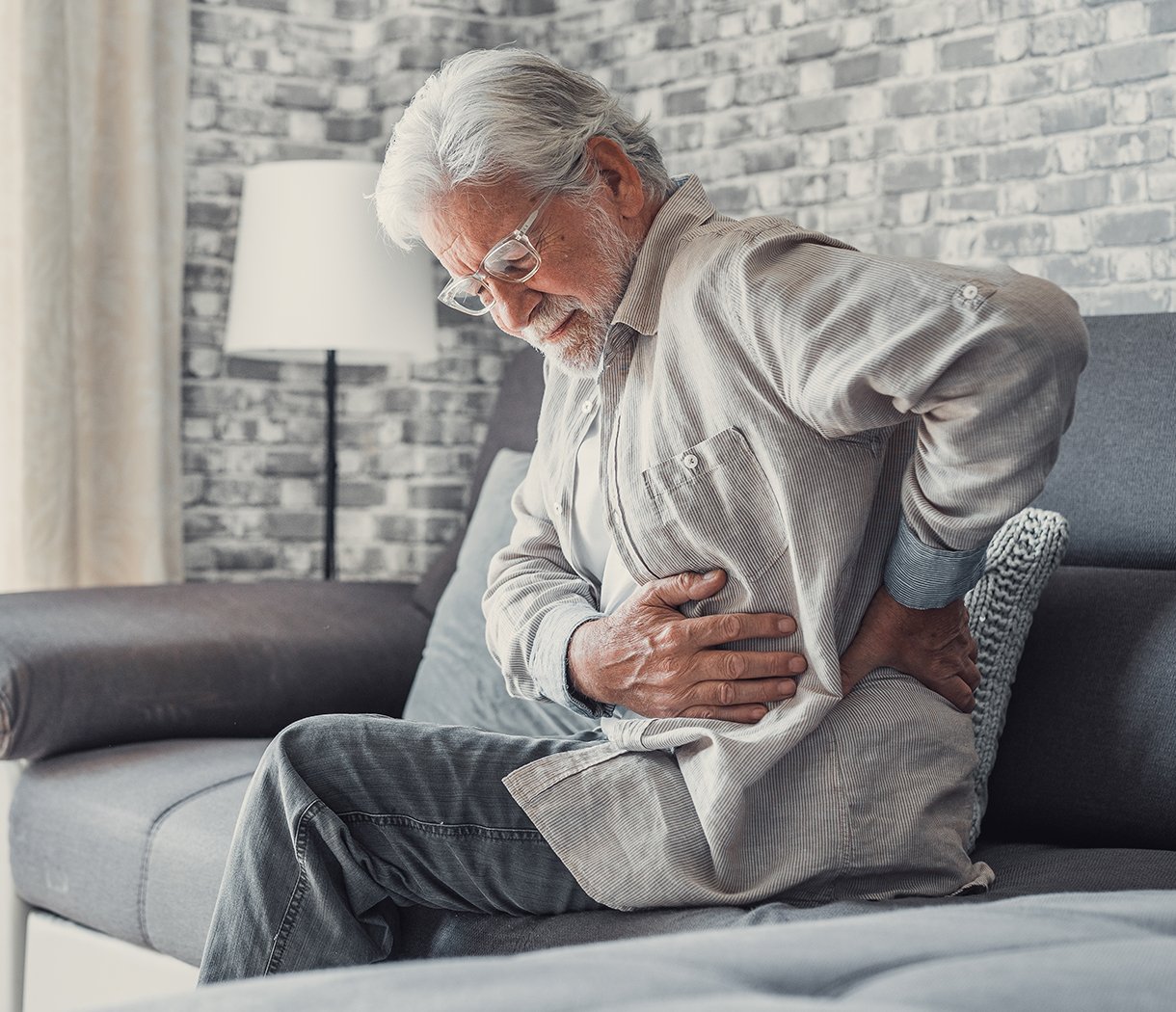
Osteoporosis quietly weakens bones in millions of older adults, and even simple movements can cause tiny cracks called microfractures. These small breaks often go undetected on routine X‑rays, yet they produce persistent bone pain that interferes with standing, walking, or sleeping. Half of all women over 50 will experience an osteoporosis‑related fracture at some point. The accumulation of repeated stress fractures leads to chronic discomfort that standard pain relievers may not adequately address. This article explores what osteoporotic microfractures are, why they cause prolonged pain, and how CO₂ cryotherapy may serve as a gentle, non‑invasive tool to help seniors manage bone‑related discomfort and maintain daily mobility.
1. Understanding Osteoporotic Microfractures and Chronic Bone Pain
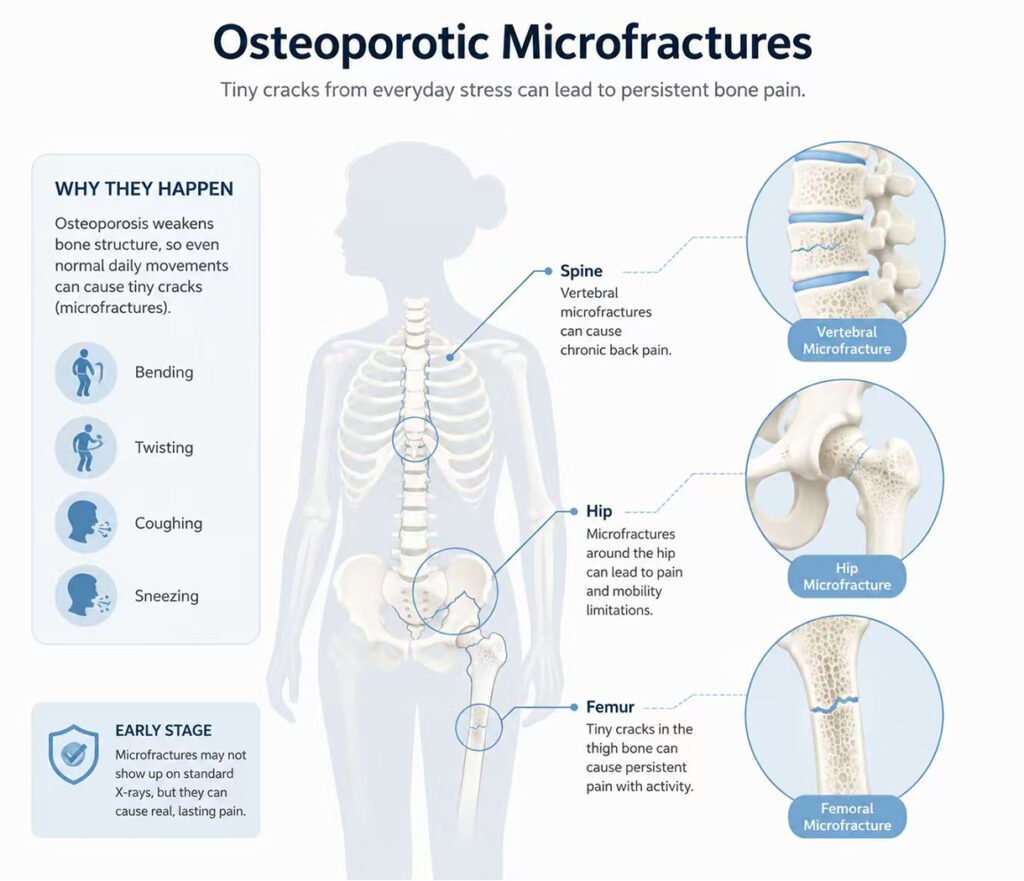
Osteoporosis is the most common metabolic bone disease and a leading cause of fractures in older adults. When bone density declines, even routine movements can generate tiny cracks within the bone.
1.1 What Are Osteoporotic Microfractures?
A fragility fracture occurs with minimal trauma—sometimes just from bending, twisting, coughing, or sneezing. Vertebral compression fractures in the spine happen about 1.5 million times each year in the United States. Microfractures represent the earliest stage of this process: small, incomplete cracks that accumulate from repeated low‑level stress rather than a single traumatic event. These tiny breaks may not appear on standard X‑rays, but they contribute significantly to ongoing bone pain.
1.2 Why Osteoporosis‑Related Pain Persists
Pain from bone fragility is a major contributor to disability and reduced quality of life. Acute fracture pain may eventually subside, but the underlying process can progress into chronic pain that lasts months or years. Several factors drive this chronic pain: ongoing skeletal changes, muscular compensation patterns, alterations in bone nerve supply, and central sensitization within the nervous system. This complexity explains why standard pain medications often provide incomplete relief and why additional supportive measures can be beneficial.
1.3 Impact on Daily Living
For older adults, chronic discomfort from osteoporotic bone changes affects nearly every daily activity. Getting out of a chair, climbing stairs, carrying groceries, or enjoying a short walk becomes a source of apprehension. Many seniors gradually reduce their activity to avoid triggering pain, which accelerates muscle weakness and further bone loss. This downward spiral can lead to decreased independence, diminished social participation, and a higher risk of falls. Finding gentle, non‑drug approaches to help manage bone‑related discomfort is essential for breaking this cycle.
2. How CO₂ Cryotherapy May Support Seniors Managing Bone Discomfort
CO₂ cryotherapy offers a targeted, non‑invasive option for older adults seeking to manage bone‑related pain without relying solely on medications. Understanding how this therapy works helps seniors and caregivers make informed decisions.
2.1 The Science of Targeted Cold Application
CO₂ cryotherapy delivers a pressurized stream of cold gas directly to the skin overlying a painful area. When cold contacts the skin, specialized cold receptors called TRPM8 channels activate within seconds. These receptors send signals that can temporarily influence how the nervous system perceives discomfort. This rapid activation allows for quick symptom management without the wetness, mess, or prolonged skin contact associated with traditional ice packs. A typical session lasts only a few minutes and leaves no residue, making it practical for seniors to use at home or in a clinical setting.
2.2 Neurovascular Effects and Pain Perception
Cold exposure also triggers a biphasic vascular response. Blood vessels in the treated area initially narrow, reducing local blood flow, and then expand beyond their normal diameter as the tissue rewarms. This vascular cycle may support healthy circulation, helping deliver oxygen and remove metabolic waste products that accumulate in painful tissues. Additionally, cold slows nerve conduction velocity, which can reduce the intensity of discomfort signals reaching the brain. These temporary effects work together to help seniors feel more comfortable during daily activities without requiring additional medications.
2.3 Evidence for Cold Therapy in Older Populations
A prospective study involving 51 elderly inpatients with various musculoskeletal pain conditions found that hyperbaric CO₂ cryotherapy significantly reduced pain scores. Among patients with chronic pain, average scores dropped from 45 mm to 13 mm after several sessions. The study concluded that CO₂ cryotherapy is an innovative non‑pharmacological tool for achieving pain relief in older patients. This evidence supports using CO₂ cryotherapy as part of a comprehensive pain management plan for seniors, particularly those who prefer drug‑free approaches.
2.4 A Gentle Approach That Respects Fragile Tissues
For seniors with osteoporosis, the bones themselves are fragile, but the skin and soft tissues covering them remain normal. CO₂ cryotherapy applies cold only to the skin surface, where it can influence deeper tissues through neurovascular mechanisms without placing any mechanical stress on the underlying bone. The treatment is completely non‑invasive, requiring no pressure or manipulation of the painful area. This makes it an especially appealing option for older adults who may be concerned about treatments that require touching or moving already sore body parts.
3. What to Expect During a CO₂ Cryotherapy Session
For seniors considering CO₂ cryotherapy, knowing what happens during a session sets realistic expectations and reduces any anxiety about the process.
3.1 Before the Session
A qualified practitioner first assesses the area of concern to ensure there are no open wounds, active skin infections, or cold hypersensitivity conditions that would make treatment inappropriate. The senior should wear comfortable clothing that allows easy access to the painful area, whether that is the back, hip, or another location. The practitioner reviews any relevant medical history and explains what sensations to expect during the brief treatment.
3.2 During the Session
The practitioner positions the CO₂ cryotherapy device a few inches from the skin over the painful area. They then move the applicator in a slow, circular pattern to distribute the cooling evenly. The senior feels an intense cold sensation on the skin, which some describe as a cold burn that quickly fades as the area becomes numb. The entire application typically lasts between two and five minutes, depending on the size of the area being treated. The practitioner monitors the senior‘s response throughout to ensure comfort and safety.
3.3 After the Session
Once the session ends, the skin gradually returns to its normal temperature. The senior can resume regular activities immediately, as there is no downtime. Some seniors notice a temporary reduction in local discomfort lasting from 30 minutes to a few hours. Others may feel nothing different right away but appreciate the cumulative effect of regular sessions. The practitioner may recommend a series of sessions rather than a single treatment, as consistent use tends to provide more noticeable support.
4. Practical Advice for Seniors and Caregivers
Managing bone discomfort from osteoporotic microfractures works best with a combination of approaches. These practical tips can help seniors stay comfortable and active.
4.1 Using CO₂ Cryotherapy as Part of a Daily Routine
Many seniors find that using CO₂ cryotherapy after activities that typically trigger discomfort—such as walking or standing for extended periods—provides the most benefit. The quick, dry application makes it easy to fit into a daily schedule. Some seniors also use it before bedtime to support overnight comfort. However, cryotherapy should not be used immediately before activities that require full sensation in the area, such as balance exercises. A consistent routine tends to produce better results than occasional use.
4.2 Staying Active Within Comfort Limits
Complete rest is rarely helpful for osteoporotic bone pain. Gentle, weight‑bearing activities such as walking, tai chi, or light resistance exercises help maintain bone density and muscle strength. Seniors should listen to their bodies and avoid movements that cause sharp or worsening pain. Using CO₂ cryotherapy after activity may help manage any post‑activity discomfort, making it easier to stay consistent with an exercise routine. A physical therapist can design a safe, individualized program.
4.3 Working with Healthcare Providers
Seniors should always discuss new supportive therapies with their primary care provider or specialist. A healthcare provider can confirm that CO₂ cryotherapy is appropriate given the individual‘s specific medical conditions. They can also help coordinate care, ensuring that cryotherapy complements rather than interferes with other treatments. For seniors with multiple health issues, a collaborative approach involving doctors, physical therapists, and other practitioners tends to produce the best outcomes.
4.4 Maintaining Bone Health Fundamentals
Supporting overall bone health remains the foundation of managing osteoporotic microfractures. Adequate calcium and vitamin D intake, regular weight‑bearing exercise, fall prevention strategies, and appropriate medications when prescribed all play important roles. CO₂ cryotherapy serves as a supportive tool for managing discomfort, not a replacement for these core bone health measures. Seniors who combine good bone health habits with gentle pain management approaches often maintain better mobility and quality of life.
Frequently Asked Questions
Q1: What are the signs of an osteoporotic microfracture?
Persistent, localized bone pain that worsens with activity and improves with rest, often without a clear injury event. Standard X‑rays may not always show these tiny cracks.
Q2: Is CO₂ cryotherapy safe for seniors with osteoporosis?
Generally yes. The therapy applies cold only to the skin surface and does not put any mechanical stress on fragile bones. A practitioner should screen for cold hypersensitivity first.
Q3: How often can a senior use CO₂ cryotherapy?
Many seniors use it daily or several times per week, especially after activities that trigger discomfort. A qualified practitioner can recommend a personalized schedule.
Q4: Does CO₂ cryotherapy replace pain medications?
No. It is a supportive tool that may help manage discomfort, but any changes to medication should be discussed with a healthcare provider.
Q5: Can CO₂ cryotherapy heal a microfracture?
No. Bone healing depends on rest, nutrition, and the body‘s own repair processes. Cryotherapy may help manage the discomfort associated with the healing period.
Conclusão
Osteoporotic microfractures present a genuine challenge for many seniors, causing persistent bone pain that limits daily activities and reduces quality of life. While bone healing ultimately depends on rest, nutrition, and the body’s own repair processes, CO₂ cryotherapy offers a gentle, non‑invasive supportive tool that may help manage bone‑related discomfort. The therapy delivers targeted cooling through a dry, quick application that respects fragile tissues without placing mechanical stress on weakened bones. Evidence from studies involving elderly patients supports its role as a non‑pharmacological option for pain relief. By combining CO₂ cryotherapy with appropriate medical guidance, gentle activity, and good bone health habits, seniors can work toward maintaining their mobility and independence.
Referências
Lim, J. Y., et al. (2021). The Effect of Hyperbaric Carbon Dioxide Therapy on Pain in the Elderly.
https://synapse.koreamed.org/articles/1153084
International Osteoporosis Foundation. Facts and Statistics About Osteoporosis.
https://www.osteoporosis.foundation/facts-statistics
The Science Behind CO₂ Cryotherapy.
https://www.localcryotherapy.com/the-science-behind-co₂-cryotherapy.html
Circulation in Seconds: The Vascular Effects of CO₂ Cryotherapy.
https://www.localcryotherapy.com/circulation-in-seconds-the-vascular-effects-of-co₂-cryotherapy.html
National Institute on Aging. Osteoporosis: What You Need to Know.
https://www.nia.nih.gov/health/osteoporosis/osteoporosis-what-you-need-know