Introdução
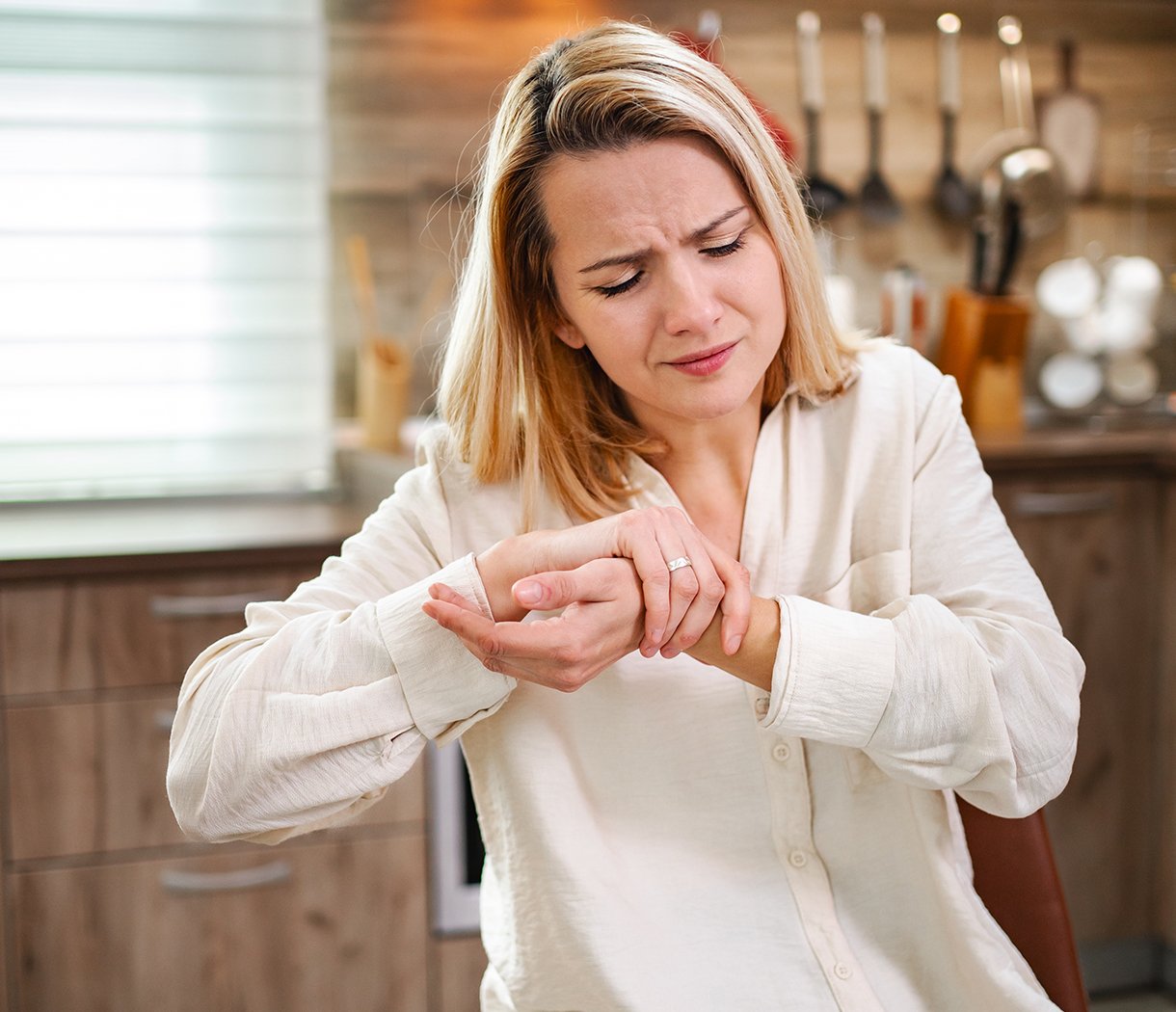
The joy of holding a newborn often comes with an unexpected companion: a persistent ache in the wrist and hand. For many new mothers, the simple act of lifting, feeding, or comforting a baby becomes a source of discomfort. This condition, often called “mommy wrist,” is frequently carpal tunnel syndrome, a common but frequently overlooked challenge in the postpartum period. The combination of hormonal changes, fluid retention, and the repetitive motions of caring for a newborn can compress the median nerve in the wrist, leading to numbness, tingling, and pain that interferes with daily life and the bonding experience of early motherhood. For mothers seeking a non‑invasive, drug‑free approach to manage this discomfort, CO₂ cryotherapy offers a targeted solution that works with the body’s natural healing processes.
1. Understanding Postpartum Carpal Tunnel Syndrome
Carpal tunnel syndrome occurs when the median nerve, which runs through a narrow passage in the wrist called the carpal tunnel, becomes compressed. This nerve controls sensation in the thumb, index, middle, and part of the ring finger, as well as some small hand muscles. When the tissues surrounding the nerve swell, the tunnel narrows, and the nerve becomes irritated, producing the characteristic symptoms.
1.1 Why New Mothers Are at Risk
Several factors make the postpartum period a high‑risk time for developing carpal tunnel syndrome. Fluid retention, or edema, is common during pregnancy and can persist after delivery. This excess fluid can accumulate in the wrist, increasing pressure within the carpal tunnel and compressing the median nerve. Hormonal changes also play a role. The ligaments and connective tissues become more relaxed and pliable, which can affect the stability of the wrist joint and contribute to nerve irritation. Additionally, the physical demands of caring for a newborn involve repetitive motions that can strain the wrist. Holding the baby in a flexed position during feeding, lifting the baby repeatedly, and supporting the baby’s head all require sustained gripping and wrist flexion. These movements, performed many times each day, can place cumulative stress on the median nerve and surrounding structures.
1.2 Recognizing the Symptoms
The hallmark symptoms of carpal tunnel syndrome in postpartum mothers include numbness and tingling in the thumb, index, and middle fingers. Some mothers also describe a burning sensation or a feeling of swelling in the fingers, even when no visible swelling is present. The discomfort often worsens at night, sometimes waking the mother from sleep. As the condition progresses, grip strength may decrease, making it harder to hold the baby securely or perform everyday tasks. The symptoms can be intermittent at first, but without intervention, they may become more persistent and affect daily functioning.
2. How CO₂ Cryotherapy Works for Nerve Compression
CO₂ cryotherapy is a localized cold therapy that uses pressurized carbon dioxide gas to deliver rapid, controlled cooling to the affected area. Unlike traditional ice packs, which require prolonged contact and leave moisture behind, CO₂ cryotherapy provides a dry, precise application that targets the wrist directly.
2.1 Rapid Cooling and Vasoconstriction
When the cold CO₂ gas contacts the skin over the wrist, it rapidly lowers the temperature of the underlying tissues. This triggers vasoconstriction, the narrowing of blood vessels, which reduces blood flow to the area and helps limit the accumulation of inflammatory fluid. By decreasing local edema, the pressure on the median nerve can temporarily lessen, providing relief from numbness, tingling, and aching. The treatment acts quickly, often within seconds, and the cooling effect penetrates the superficial tissues without causing the discomfort or mess associated with ice packs.
2.2 Reducing Inflammation and Nerve Irritation
Carpal tunnel syndrome involves inflammation of the tissues surrounding the median nerve. The cold stimulus from CO₂ cryotherapy decreases the release of pro‑inflammatory mediators, helping to calm the inflammatory environment within the wrist. This modulation of inflammation reduces the swelling that compresses the nerve, allowing it to function more normally. The treatment also influences nerve signaling, providing analgesic effects that help mothers move their wrists more comfortably during daily activities.
2.3 Reactive Hyperemia and Tissue Repair
After the brief cooling period, the blood vessels undergo a phase called reactive hyperemia, where they dilate more widely than before. This rebound effect brings a surge of oxygen‑rich blood and nutrients to the compressed nerve and surrounding tissues. Enhanced circulation supports cellular repair, helps remove metabolic waste products that contribute to stiffness, and promotes the healing of irritated tissues. Unlike prolonged ice application, which can reduce blood flow for extended periods, CO₂ cryotherapy’s short exposure followed by reactive hyperemia may offer advantages for tissue recovery.
3. Benefits for Postpartum Mothers
For new mothers, the demands of caring for a newborn leave little time for lengthy recovery protocols. CO₂ cryotherapy offers several practical advantages that make it particularly suitable for the postpartum period.
3.1 A Drug‑Free Option
Many new mothers are cautious about taking medications, especially if they are breastfeeding. CO₂ cryotherapy provides a drug‑free alternative that does not enter the bloodstream or pass into breast milk. It works through physical mechanisms rather than chemical ones, offering relief without the concerns associated with pharmaceuticals. This makes it an attractive option for mothers who want to manage their symptoms without compromising their baby’s well‑being.
3.2 Brief and Convenient Sessions
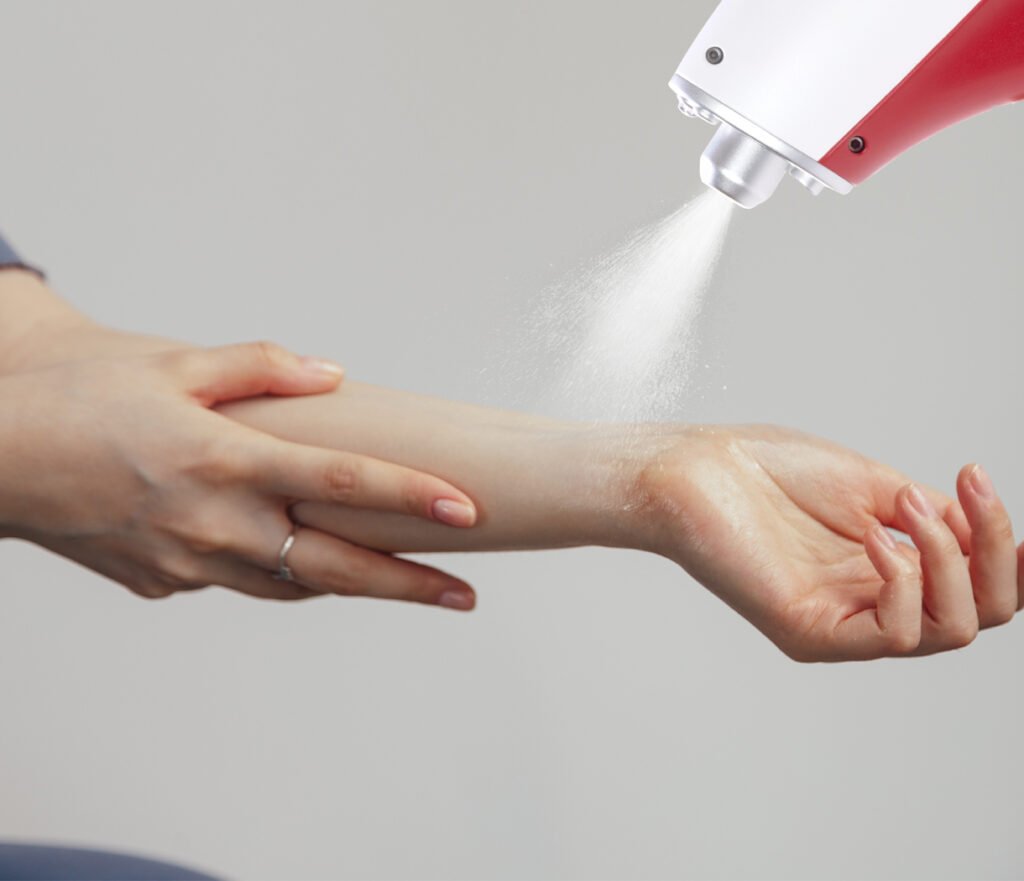
A typical CO₂ cryotherapy session for the wrist lasts only a few minutes. This brief treatment time fits easily into a busy mother’s schedule. The applicator moves in sweeping motions over the wrist, and the entire session is quick and comfortable. There is no need for lengthy preparation or recovery time. Mothers can receive treatment during a short break and return immediately to caring for their baby.
3.3 No Moisture or Mess
Unlike ice packs, which can leave the skin wet and cause dripping, CO₂ cryotherapy uses dry gas. The treatment leaves no moisture behind, so the wrist stays dry throughout and after the session. This convenience is especially valuable for mothers who are already managing diaper changes, feeding schedules, and other messy aspects of newborn care.
4. What to Expect from Treatment
For mothers considering CO₂ cryotherapy, understanding the typical course of treatment helps set realistic expectations.
4.1 The Treatment Experience
A localized CO₂ cryotherapy session targeting the wrist lasts only a minute or two. The practitioner directs the applicator at the bare skin of the wrist and palm, moving it in sweeping motions to ensure even cooling. Most mothers describe the sensation as intensely cold but not painful – a dry, tingling cold that passes quickly as the applicator moves. The treatment leaves no moisture behind, so the wrist stays dry throughout and after the session. No recovery time is needed, and mothers can resume their normal activities immediately.
4.2 Timing and Frequency
Some mothers use cryotherapy at the end of the day to help their wrists recover overnight. Others prefer a session before a busy period of baby care to reduce discomfort during lifting and feeding. A common supportive routine includes two to three sessions per week, though the exact frequency depends on symptom severity and individual needs. The effects are not permanent, so regular use tends to provide more consistent relief than occasional application.
4.3 Combining with Other Self‑Care Measures
CO₂ cryotherapy works most effectively when mothers also address other factors that contribute to wrist strain. Supporting the baby’s head with a pillow during feeding can reduce wrist flexion. Using a breastfeeding pillow or positioning the baby differently can shift the load away from the wrists. Taking frequent breaks from repetitive motions and gently stretching the wrists and hands can also complement the effects of cryotherapy.
5. Long‑Term Strategies for Wrist Health
Preventing carpal tunnel syndrome from recurring requires attention to daily habits and ergonomics.
5.1 Ergonomic Adjustments
Small changes in how a mother holds her baby can make a meaningful difference. Using a nursing pillow to support the baby’s weight reduces the need for sustained gripping. Carrying the baby on the forearm rather than gripping with the hand can reduce wrist strain. Alternating arms while holding the baby distributes the load more evenly. These adjustments help reduce the repetitive stress that aggravates the median nerve.
5.2 Gentle Stretching and Strengthening
Simple exercises can help maintain wrist flexibility and reduce tension. Gentle wrist flexion and extension stretches, performed without pain, can keep the tendons and ligaments supple. Strengthening the muscles that support the wrist, such as the forearm flexors and extensors, can improve stability. Mothers should introduce these exercises gradually and avoid any movement that provokes sharp discomfort.
5.3 Listening to Early Signals
The most useful habit is paying attention to the first signs of wrist discomfort. Numbness or tingling that occurs only occasionally may not require immediate intervention, but persistent or worsening symptoms deserve attention. Mothers who address early signals with rest, supportive measures, and cryotherapy can often prevent a minor irritation from becoming a chronic limitation.
PERGUNTAS FREQUENTES
Q1: Is CO₂ cryotherapy painful for postpartum carpal tunnel syndrome?
Most mothers describe a very cold sensation that is intense but not painful. The applicator moves continuously, so no single spot stays cold for more than a moment.
Q2: How many sessions does a mother typically need?
Some mothers use cryotherapy once a day during the early weeks, while others use it two to three times per week. A typical supportive protocol includes several sessions over a few weeks, adjusted based on symptom relief.
Q3: Can I use CO₂ cryotherapy while breastfeeding?
Yes. The treatment does not involve medications and does not enter the bloodstream or breast milk. It is considered safe for breastfeeding mothers.
Q4: How soon after a session will I feel less wrist discomfort?
Many mothers notice reduced tingling and pain within minutes after the session. The analgesic effects begin quickly, while deeper tissue recovery continues over the following hours.
Q5: Can CO₂ cryotherapy be used alongside wrist splints or exercises?
Yes. Cryotherapy complements splinting, stretching, and ergonomic adjustments. It does not replace these measures but works alongside them.
Conclusão
Carpal tunnel syndrome can add an extra layer of difficulty to the already demanding postpartum period. The combination of fluid retention, hormonal changes, and repetitive baby‑care motions can compress the median nerve, causing numbness, tingling, and pain that interferes with daily life. For mothers seeking a non‑invasive, drug‑free option, CO₂ cryotherapy offers a targeted approach that works through rapid cooling, vasoconstriction, inflammation modulation, and reactive hyperemia. When combined with sensible ergonomic adjustments, gentle stretching, and attention to early warning signs, CO₂ cryotherapy may help mothers manage their wrist discomfort and enjoy the precious early months with their baby more fully.
Referências
Forty-eight postpartum women with CTS: a clinical study on pain and nerve conduction
https://fizjoterapiapolska.pl/?ddownload=10915#4#2
Is CO₂ Cryotherapy Safe for Nerve-Related Pain? – Local Cryotherapy
https://www.localcryotherapy.com/is-co₂-cryotherapy-safe-for-nerve-related-pain.html
CO₂ Cryotherapy’s Bold Cure for Repetitive Strain Syndrome – Local Cryotherapy
https://www.localcryotherapy.com/co₂-cryotherapys-bold-cure-for-repetitive-strain-syndrome.html
The Hidden Benefits of CO₂ Cryotherapy for Inflammation and Injury Repair – Local Cryotherapy
How CO₂ Cryotherapy Affects Your Nervous System: Pain Management and Recovery – Local Cryotherapy