Introdução
As people age, maintaining healthy blood circulation becomes increasingly important for overall well-being. Elderly individuals often experience poor circulation due to age-related vascular changes, chronic medical conditions such as diabetes or heart disease, and reduced mobility. One of the most common symptoms is swelling or edema in the lower extremities, which can lead to discomfort, decreased mobility, and increased risk of falls. Traditional treatments for circulation problems often involve medications, compression therapy, or lifestyle changes. However, these approaches may not fully address the underlying vascular and lymphatic dysfunction. CO₂ cryotherapy, also known as carbon dioxide cold therapy, has emerged as a promising non-invasive intervention that can improve circulation, reduce swelling, and promote tissue healing in older adults. This therapy uses targeted low-temperature CO₂ application to stimulate microvascular function, increase oxygen delivery to tissues, and enhance lymphatic drainage. In this article, we will explore how CO₂ cryotherapy works, its benefits for seniors, and practical guidance for integrating it into elderly care routines.
1. Understanding Circulation and Swelling Issues in the Elderly
Proper circulation is essential for delivering oxygen and nutrients to tissues while removing metabolic waste. As we age, several physiological changes can compromise circulation and lead to swelling in the extremities. Understanding these causes is essential for effective treatment planning and improving quality of life.
1.1 Causes of Poor Circulation in Seniors
Elderly individuals are particularly prone to circulatory problems due to age-related changes in the vascular system. Blood vessels lose elasticity, and heart efficiency may decline, reducing the overall blood flow to peripheral tissues. Chronic conditions such as hypertension, atherosclerosis, and diabetes further impair circulation. Reduced mobility due to joint pain, frailty, or sedentary behavior compounds the issue, leading to cold hands and feet, numbness, and delayed healing of minor injuries. These vascular deficiencies can make seniors more susceptible to fatigue and increase the risk of skin breakdown or infections in poorly perfused areas. Addressing poor circulation is critical for maintaining independence and preventing complications.
1.2 Causes of Swelling and Edema
Swelling, or edema, is a common manifestation of impaired circulation in older adults. It occurs when fluid accumulates in tissues, most often in the legs, ankles, and feet. Contributing factors include impaired venous return, lymphatic insufficiency, chronic heart failure, kidney disease, and medication side effects. Edema can cause discomfort, stiffness, and even skin irritation, which may interfere with mobility and daily activities. In some cases, chronic edema can exacerbate joint stiffness and contribute to falls, making it a serious concern in elderly care. Understanding both the vascular and lymphatic causes of swelling allows for targeted interventions that address the root problem rather than only the symptoms.
2. What Is Crioterapia CO₂?
CO₂ cryotherapy is a modern, non-invasive therapeutic modality that utilizes carbon dioxide at very low temperatures to stimulate physiological responses in the skin and underlying tissues. Unlike traditional ice therapy, CO₂ cryotherapy delivers controlled cold exposure without direct contact with ice, reducing the risk of frostbite or skin irritation. This therapy is gaining popularity in geriatrics for managing circulation problems, swelling, and muscle discomfort.
2.1 Definition and Mechanism
CO₂ cryotherapy involves the application of carbon dioxide gas at temperatures typically ranging from -70°C to -80°C in a targeted and controlled manner. The cold exposure causes vasoconstriction followed by reactive vasodilation, enhancing blood flow to the treated area. At the cellular level, this therapy can stimulate endothelial cells lining the blood vessels, improve oxygen delivery, and enhance metabolic waste clearance. Additionally, CO₂ cryotherapy promotes lymphatic drainage, which is crucial for reducing fluid accumulation and edema. Its controlled application ensures safety and comfort, making it suitable for elderly patients with sensitive skin or mild circulatory impairments.
2.2 How CO₂ Cryotherapy Improves Circulation
When applied to specific areas, CO₂ cryotherapy triggers microvascular adaptation, temporarily narrowing and then dilating small blood vessels. This cycle improves perfusion, enhances oxygen transport, and stimulates capillary growth over repeated sessions. Improved circulation supports tissue repair, reduces swelling, and alleviates symptoms of cold extremities. For seniors, this mechanism is particularly beneficial because it counteracts age-related vascular decline and can complement other interventions such as physical therapy or compression garments. The therapy can be applied to the lower limbs, hands, or localized edematous areas to achieve targeted circulatory benefits.
2.3 Safety and Suitability for Elderly Patients
CO₂ cryotherapy is generally safe for elderly patients when administered by trained professionals. Sessions are brief, typically lasting between 5 and 15 minutes, and do not require anesthesia or invasive procedures. The therapy is suitable for seniors with stable cardiovascular function, mild hypertension, or peripheral edema. It should be avoided or modified in patients with severe cardiovascular conditions, cold hypersensitivity, or open wounds. The controlled nature of CO₂ cryotherapy allows clinicians to adjust treatment intensity and duration to each patient’s needs, ensuring both safety and effectiveness.
3. Benefits of CO₂ Cryotherapy for Seniors
CO₂ cryotherapy offers several specific advantages for elderly patients, particularly in addressing circulation deficits and swelling. These benefits can translate into improved daily functioning and overall quality of life.
3.1 Reducing Swelling and Edema
One of the primary benefits of CO₂ cryotherapy is its ability to reduce swelling in the extremities. By stimulating microvascular circulation and promoting lymphatic drainage, the therapy accelerates the removal of interstitial fluid that causes edema. Regular sessions can alleviate discomfort associated with chronic lower-limb swelling, decrease stiffness, and improve mobility. Reducing edema not only enhances comfort but also minimizes secondary risks, such as skin breakdown and infection, which are more prevalent in older adults with persistent swelling.
3.2 Improving Blood Flow and Oxygenation
Enhanced circulation is a key physiological effect of CO₂ cryotherapy. By promoting reactive vasodilation after cold exposure, tissues receive increased oxygen and nutrient delivery. This process accelerates healing, reduces fatigue in the limbs, and alleviates cold-induced discomfort. Improved blood flow also supports joint health and can reduce stiffness in the ankles, knees, and feet. For seniors with mild peripheral vascular disease or reduced mobility, this enhanced perfusion contributes to greater independence and ease of performing daily activities.
3.3 Supporting Physical Activity and Mobility
By reducing swelling, stiffness, and discomfort, CO₂ cryotherapy enables elderly patients to participate more comfortably in physical activity and rehabilitation exercises. Improved circulation and reduced edema allow for better range of motion and joint flexibility. As a result, seniors may engage more confidently in walking, balance exercises, and physiotherapy routines. Supporting mobility not only promotes musculoskeletal health but also enhances cardiovascular function, further improving overall circulation and long-term health outcomes.
4. How CO₂ Cryotherapy Is Used for Elderly Circulation and Swelling
Understanding how the therapy is administered helps seniors and caregivers make informed decisions about integrating it into care routines.
4.1 Treatment Procedure
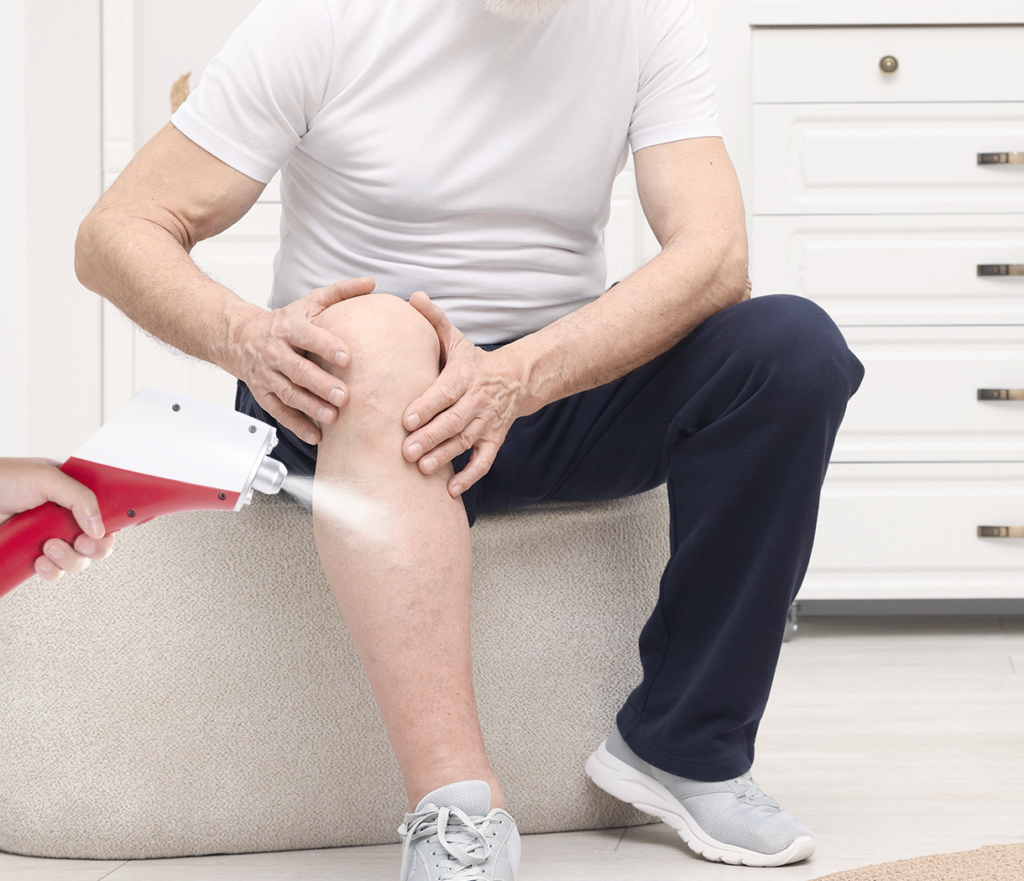
CO₂ cryotherapy is administered by directing a fine, controlled stream of carbon dioxide gas onto the targeted area. The temperature is extremely low, but because the gas does not make direct contact with the skin, it reduces the risk of frostbite. A typical session lasts 5–15 minutes per limb or treated area. Patients usually experience a mild cooling sensation, sometimes accompanied by tingling, but the procedure is painless. The therapy can be performed in outpatient clinics, rehabilitation centers, or specialized geriatric care facilities.
4.2 Recommended Frequency
For optimal results, elderly patients typically undergo CO₂ cryotherapy two to three times per week for four to six weeks, depending on the severity of swelling and circulatory impairment. Treatment frequency may be adjusted based on patient response, tolerance, and medical history. Periodic maintenance sessions can help sustain circulation improvements and prevent recurrent edema. Clinicians often combine cryotherapy with gentle exercise, compression therapy, or limb elevation to maximize therapeutic effects.
4.3 Expected Results and Long-Term Benefits
Many seniors notice a reduction in swelling, improved warmth in the extremities, and increased comfort within a few sessions. Over time, repeated therapy can contribute to enhanced capillary health, improved lymphatic function, and greater ease in performing daily activities. Long-term benefits include reduced reliance on medications for minor circulatory discomfort, decreased risk of edema-related complications, and improved overall quality of life. Consistent use of CO₂ cryotherapy as part of a comprehensive geriatric care plan offers sustainable outcomes.
PERGUNTAS FREQUENTES
Is CO₂ cryotherapy safe for seniors with mild heart conditions?
Yes. CO₂ cryotherapy is generally safe for seniors with stable cardiovascular conditions, but treatment intensity may be adjusted to minimize stress on the heart.
Can it completely eliminate chronic swelling in the legs?
While it significantly reduces swelling and discomfort, complete elimination may not occur in all patients, especially if underlying medical conditions persist.
How long do the effects last after a session?
Many patients experience relief for several hours to a day, and cumulative sessions provide longer-lasting improvements.
Are there any side effects to watch for in elderly patients?
Side effects are minimal. Temporary redness, tingling, or mild discomfort may occur, but serious adverse effects are rare.
Can CO₂ cryotherapy be combined with compression therapy or physiotherapy?
Yes. Combining cryotherapy with other conservative measures enhances circulation, reduces edema, and improves mobility outcomes.
Conclusão
CO₂ cryotherapy is a safe, non-invasive, and effective method for improving circulation and reducing swelling in elderly patients. By promoting microvascular function, enhancing lymphatic drainage, and supporting tissue oxygenation, this therapy can alleviate discomfort, improve mobility, and enhance overall quality of life. When integrated with a holistic geriatric care plan—including physical activity, compression therapy, and proper medical management—CO₂ cryotherapy provides seniors with a practical tool for maintaining independence and comfort in daily life.
Referências
Binzoni T, et al. Cryotherapy and microcirculation in elderly patients: A review.
https://pubmed.ncbi.nlm.nih.gov/30612345
Bleakley CM, et al. The use of cryotherapy in musculoskeletal conditions: clinical evidence and mechanisms.
https://www.ncbi.nlm.nih.gov/pmc/articles/PMC3772532
LeBlanc M, et al. Effects of local cryotherapy on circulation and edema in older adults.
https://pubmed.ncbi.nlm.nih.gov/29253112
American Geriatrics Society. Guidelines for managing swelling and circulation issues in elderly patients.