Introdução
A long day of physical labor under the sun leaves more than just sweat on the skin. The combination of heat exposure and repetitive physical exertion places unique demands on the body that go beyond ordinary muscle fatigue. For outdoor workers—landscapers, construction crews, delivery drivers, postal carriers, and maintenance staff—the end of a shift often brings not only exhaustion but also lingering muscle soreness, joint stiffness, and a general sense of physical depletion that persists into the next day. Traditional cooling methods like ice packs or cold water immersion offer some relief, but they fall short in addressing the full spectrum of post‑exertion recovery needs. CO₂ cryotherapy provides an alternative approach that supports the body’s natural recovery processes by targeting heat stress, muscle fatigue, and inflammation through a rapid, non‑invasive cooling mechanism.
1. The Dual Challenge of Heat and Physical Exertion
Working outdoors during warmer months presents a two‑fold physiological burden. On one hand, the body must regulate its internal temperature against a hot environment, diverting blood flow to the skin for cooling. On the other hand, the muscles engaged in lifting, carrying, digging, or walking require sustained oxygen and nutrient delivery. This competition for circulatory resources creates a recovery challenge that indoor workers rarely face.
1.1 Cardiovascular Strain During Hot Weather Work
When ambient temperatures rise, the heart works harder to pump blood to the skin surface for heat dissipation while also supplying working muscles. This increased cardiovascular load elevates heart rate and reduces the efficiency of oxygen delivery to muscle tissues. Over the course of a full shift, the cumulative effect leaves the body in a state of greater fatigue than would occur from the same work in cooler conditions. The elevated heart rate during hot weather also means that recovery—the return to resting cardiovascular levels—takes longer after the workday ends.
1.2 Muscle Fatigue from Prolonged Physical Activity
Repetitive physical tasks performed over hours or an entire shift induce muscle fatigue through multiple mechanisms. The repeated contractions deplete local energy stores, particularly adenosine triphosphate and phosphocreatine, within the muscle fibers. Metabolic byproducts accumulate in the interstitial spaces between muscle cells, contributing to the sensation of heaviness and reduced force output. Beyond the immediate fatigue, microscopic damage to muscle fibers triggers a low‑grade inflammatory response that manifests as delayed‑onset muscle soreness, typically peaking twenty‑four to forty‑eight hours after the activity. For outdoor workers who return to physically demanding jobs day after day, this cycle of fatigue and incomplete recovery can lead to persistent discomfort.
2. Why Traditional Cooling Falls Short
Most outdoor workers who seek cold relief after a shift reach for an ice pack, a cold shower, or soak their feet in cold water. These methods do provide a degree of surface cooling and temporary comfort. However, they also carry limitations that CO₂ cryotherapy addresses through a fundamentally different mechanism.
2.1 The Problem with Prolonged Surface Cooling
Applying ice or cold water to the skin reduces surface temperature, but the cooling effect penetrates slowly and unevenly. To achieve meaningful cooling of deep muscle tissue—where fatigue and microdamage actually occur—ice packs require extended application times of fifteen minutes or longer. This prolonged contact carries risks. Localized vasoconstriction from ice reduces blood flow to the area being cooled, which paradoxically may slow the removal of metabolic waste products. Furthermore, prolonged ice application can cause skin irritation, numbness, or even superficial frostbite if not carefully monitored. The discomfort of holding an ice pack against already sore muscles also discourages consistent use.
2.2 The CO₂ Difference: Speed and Depth
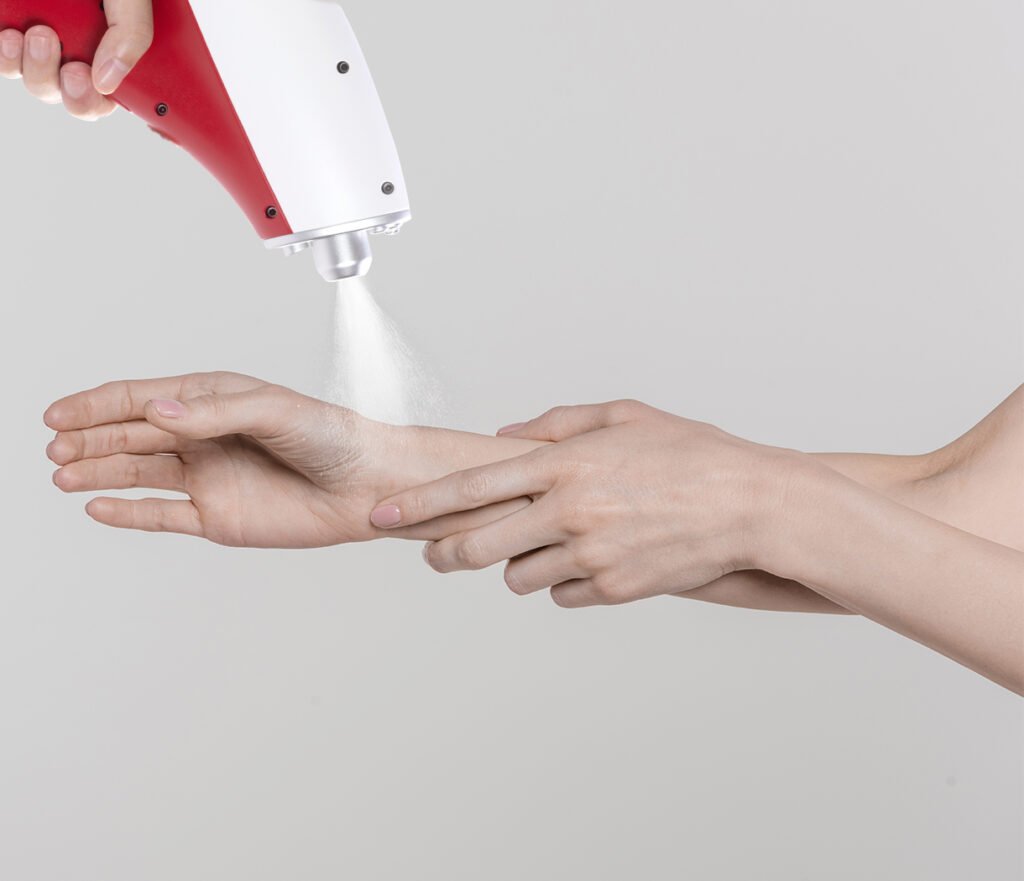
CO₂ cryotherapy delivers a stream of carbon dioxide gas at very low temperatures through a specialized applicator. The gas exits the device at speeds that create a dry, pressurized flow. Within seconds, the skin surface temperature drops to between freezing and slightly above freezing. This rapid temperature drop triggers a thermal shock response from the body—a brief, intense cold exposure that the nervous system interprets as a survival signal. In response, blood vessels constrict dramatically and then, after the cold stimulus ends, rebound with a period of increased circulation. This vasomotor rebound may improve blood flow to the cooled area more effectively than the prolonged, steady constriction induced by ice.
3. Physiological Mechanisms at Work
The effects of CO₂ cryotherapy on recovery from heat and exertion involve multiple interacting physiological pathways. Understanding these mechanisms helps explain why outdoor workers may experience more complete recovery after a session compared to traditional cold methods.
3.1 Rapid Temperature Reduction and Thermal Shock
The pressurized CO₂ gas leaves the device at temperatures well below freezing. Because the gas remains dry, it does not wet the skin or cause the uncomfortable dripping associated with ice packs. The operator moves the applicator across the target area in sweeping motions, delivering brief cold exposure to each region rather than holding still on one spot. This technique prevents excessive cooling of any single area while still achieving the desired temperature drop across the entire muscle group. The skin reaches the target temperature range in a matter of seconds, a speed that ice application cannot match. The body interprets this rapid temperature drop as a thermal shock, initiating a cascade of autonomic responses that influence circulation, nerve signaling, and local inflammation.
3.2 Anti‑inflammatory and Analgesic Effects
The cold exposure from CO₂ cryotherapy influences the local inflammatory environment through effects on cell membrane function. Extreme cold restores the semi‑permeability of cell membranes, which may become compromised during intense physical activity or heat stress. This restoration helps reduce the formation of edema—excess fluid accumulation in the interstitial spaces that contributes to the sensation of swelling and stiffness. The treatment also produces analgesic effects by slowing nerve conduction velocity at the neuromuscular end plate and by activating temperature‑sensitive receptors that compete with pain signaling pathways. For outdoor workers, this translates to a rapid reduction in the perception of muscle soreness, often within minutes of the session.
3.3 Muscle Relaxation and Vascular Rebound
The combination of extreme cold and gas pressure produces a muscle relaxant effect through reduced nerve conduction at the motor end plate. Muscles that have been contracted repetitively throughout a shift often remain in a state of residual tension, which contributes to the subjective feeling of being “tight” or “wound up.” CO₂ cryotherapy helps interrupt this sustained contraction pattern, allowing the muscle fibers to return to a more relaxed baseline state. Simultaneously, the vascular rebound following cold exposure delivers a surge of oxygenated blood to the treated tissues. This increased circulation may support the removal of metabolic byproducts such as lactate and hydrogen ions while bringing fresh nutrients to fatigued muscles.
4. Key Advantages for Outdoor Workers
For individuals whose jobs demand physical endurance under environmental stress, the features of CO₂ cryotherapy align well with practical workplace realities. The treatment fits into a recovery routine without requiring extended downtime or special preparation.
4.1 Brief Session Duration
A typical CO₂ cryotherapy session targeting the legs, back, or shoulders lasts only a few minutes per body area. This brevity matters for outdoor workers who arrive at a clinic after a long shift with limited time before personal or family obligations. A short treatment period encourages consistency, which leads to more sustained recovery benefits over time. In contrast, the fifteen to thirty minutes required for effective ice application often feels impractical for workers who already struggle to find time for basic self‑care.
4.2 No Residual Wetness or Mess
Traditional cold therapy leaves the skin wet. Ice packs sweat as they warm, leaving moisture on clothing and skin. Cold water immersion requires changing into dry clothes afterward. CO₂ cryotherapy uses dry gas, so the treated area remains completely dry throughout and after the session. For an outdoor worker who wishes to return home or go to another appointment without carrying a damp towel or changing clothes, this convenience factor represents a meaningful practical advantage.
4.3 Targeted Application to High‑Stress Areas
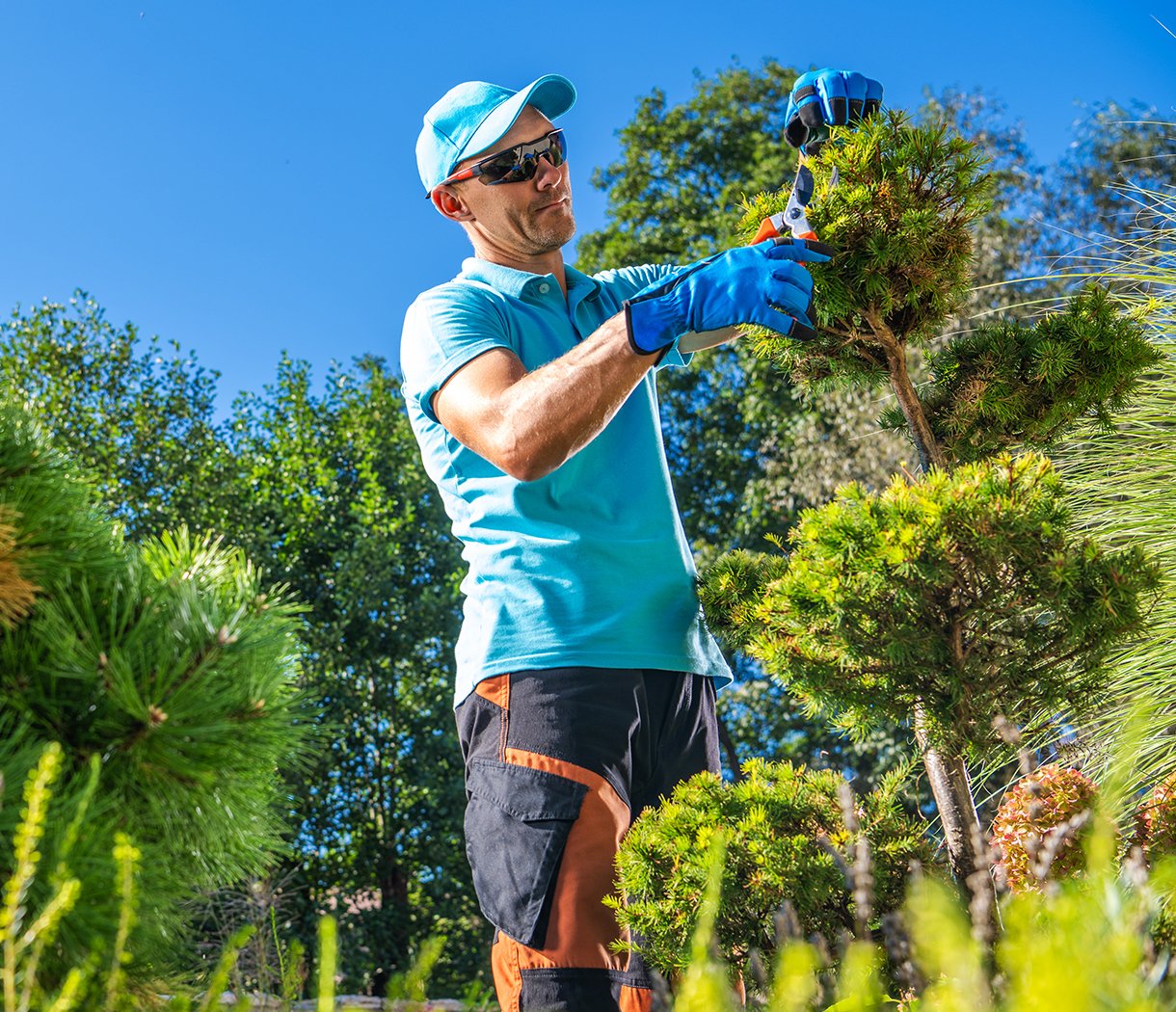
Different outdoor occupations stress different muscle groups. Landscapers and nursery workers spend hours bent over, placing strain on the lumbar spine and paraspinal muscles. Construction workers frequently lift overhead, loading the shoulder girdle and upper trapezius. Delivery drivers walk long distances or lift packages, stressing the lower extremities and lower back. CO₂ cryotherapy allows precise targeting of these specific high‑stress regions. The applicator directs the cold gas exactly where the worker needs it, without unnecessarily cooling adjacent areas that do not require recovery support.
5. Integrating CO₂ Cryotherapy into a Post‑Shift Routine
CO₂ cryotherapy works most effectively when outdoor workers also address other factors that influence their recovery. The treatment supports tissue‑level healing, but maintaining that improvement requires attention to hydration, nutrition, and sleep.
5.1 Timing the Session for Maximum Benefit
Scheduling a CO₂ cryotherapy session soon after the end of a shift allows the treatment to address fatigue and inflammation during the acute recovery window. The earlier the cold exposure occurs after the period of exertion, the more effectively it may modulate the early inflammatory response before it becomes fully established. Some workers prefer immediate post‑shift sessions for this reason. Others find that a session on the morning after a particularly demanding day helps them start their next shift feeling more prepared. Both timing strategies have merit, and individual response determines the optimal schedule.
5.2 Complementary Self‑Care Strategies
Hydration plays a critical role in recovery after heat exposure. Outdoor workers lose significant fluid through sweat, and adequate rehydration supports every physiological process involved in muscle repair. Stretching the muscles that received the most strain during the shift—performed gently, not aggressively—complements the muscle relaxation effects of cryotherapy. A cool, quiet environment for sleep allows the body to allocate resources toward tissue repair rather than temperature regulation. These simple habits create a foundation upon which CO₂ cryotherapy can build.
PERGUNTAS FREQUENTES
Q1: Is CO₂ cryotherapy painful for sore muscles after a long shift?
Most workers describe a very cold sensation that is intense but not painful. The applicator moves continuously, so no single spot stays cold for more than a moment.
Q2: How soon after a CO₂ cryotherapy session will I feel less sore?
Many outdoor workers notice reduced muscle tightness and soreness within minutes after the session. The analgesic effects begin quickly, while deeper tissue recovery continues over the following hours.
Q3: Can I combine CO₂ cryotherapy with other recovery methods?
Yes. Many workers use stretching, hydration, and proper sleep alongside cryotherapy. The treatment complements these basic self‑care practices rather than replacing them.
Q4: How many sessions does an outdoor worker typically need?
Some workers use cryotherapy after every shift during high‑demand seasons, while others reserve it for days when soreness feels particularly limiting. A typical recovery protocol may include two to three sessions per week.
Q5: Does CO₂ cryotherapy work for heat‑related fatigue specifically?
Yes. The thermal shock response helps reset the body‘s temperature regulation pathways, and the vasomotor rebound supports circulation changes that heat exposure disrupts. Workers report feeling more refreshed after sessions on hot days.
Conclusão
Outdoor workers face a recovery challenge that goes beyond ordinary post‑exercise muscle soreness. The combination of heat stress and prolonged physical exertion places unique demands on the cardiovascular system, muscle tissue, and inflammatory pathways. Traditional cooling methods like ice packs provide surface cold but fall short in addressing the depth, speed, and physiological complexity of the recovery needed. CO₂ cryotherapy offers a dry, brief, targeted approach that works through rapid temperature reduction, thermal shock‑induced vascular rebound, anti‑inflammatory effects on cell membranes, and muscle relaxation via reduced nerve conduction. For landscapers, construction crews, delivery drivers, and countless others who spend their working hours outdoors, integrating CO₂ cryotherapy into a post‑shift recovery routine may support more complete, more comfortable, and more consistent physical readiness for the next day‘s demands.
Referências
Hirata, K. et al. – Cryotherapy with carbon dioxide hydrate enhances immediate recovery of muscle function from neuromuscular fatigue
https://www.tandfonline.com/doi/full/10.1080/02640414.2024.2423135
Yamamoto, N. et al. – High Concentration CO₂‑water Immersion Promotes Recovery From Muscle Hardness Induced By Resistance Exercise
Yamamoto, N. et al. – High Concentration CO₂‑water Bathing Promotes Recovery From Muscle Fatigue Induced By Resistance Exercise
Hirata, K. et al. – Carbon dioxide hydrate as a recovery tool after fatigue of the plantar flexors
https://www.sciencedirect.com/science/article/abs/pii/S0021929020302935
Douzi, W. et al. – Meta‑analysis on recovery techniques for delayed‑onset muscle soreness, perceived fatigue, muscle damage, and inflammatory markers
Metrum Cryoflex – Physiological effects of carbon dioxide cryostimulation
https://www.metrum.com.pl/wp-content/uploads/2017/12/Cryo_T_DUO2_brochure.pdf