Introdução
As fitness enthusiasts increasingly embrace home workouts, efficient recovery strategies have become essential. Post-exercise challenges such as delayed onset muscle soreness (DOMS), joint inflammation, and general fatigue can significantly impact performance and consistency. Traditional recovery methods, including stretching, ice baths, and over-the-counter anti-inflammatories, often provide partial relief and can be time-consuming or inconvenient. Crioterapia com CO₂, a form of cold therapy that uses carbon dioxide at sub-zero temperatures, offers a non-invasive, accessible, and scientifically supported approach for post-workout recovery. This therapy stimulates microcirculation, reduces inflammation, accelerates tissue repair, and improves muscle function. In the following sections, we will explore the mechanisms, benefits, usage guidelines, and safety considerations for integrating CO₂ cryotherapy into home recovery routines for athletes of all levels.
1. Understanding Post-Workout Muscle Stress
Before exploring CO₂ cryotherapy, it’s critical to understand the biological and mechanical processes that contribute to post-workout muscle stress and soreness. Recognizing these factors highlights why targeted interventions can enhance recovery.
1.1 What Causes Muscle Soreness and Fatigue
Exercise-induced muscle soreness primarily arises from microscopic damage to muscle fibers. Activities such as high-intensity resistance training or eccentric movements create tiny tears in the myofibrils, triggering inflammation and the accumulation of metabolites like lactic acid. This leads to DOMS, which typically peaks 24–72 hours after exercise. Muscle fatigue during this period reduces strength and coordination, increasing the risk of injury if proper recovery is not prioritized. Understanding these physiological processes underscores the need for strategies that accelerate cellular repair, control inflammation, and restore optimal function.
1.2 The Role of Inflammation in Recovery
Inflammation plays a dual role in exercise recovery. Acute inflammation is beneficial, initiating tissue repair and remodeling. However, excessive or prolonged inflammation can exacerbate muscle soreness, limit range of motion, and delay subsequent workouts. Interventions that modulate inflammation without inhibiting natural repair mechanisms—such as CO₂ cryotherapy—can optimize recovery outcomes. By strategically reducing local inflammatory mediators, the therapy accelerates functional recovery while preserving the necessary biological signals for tissue regeneration.
1.3 Common Post-Workout Injuries at Home
Home-based exercise often increases the risk of minor musculoskeletal injuries due to limited supervision and space constraints. Sprains, strains, tendon overuse, and joint irritation are common, particularly in the lower back, knees, and shoulders. While most are minor, repeated microtrauma can accumulate, leading to chronic discomfort. CO₂ cryotherapy provides a targeted and controlled method to address these issues safely at home, offering localized cold exposure to reduce pain, swelling, and microvascular stress.
2. What Is CO₂ Cryotherapy?
Having established why recovery is essential, it’s important to define CO₂ cryotherapy, describe its mechanisms, and explain its distinct advantages over traditional cold therapy methods.
2.1 Definition and Technology Behind CO₂ Cryotherapy
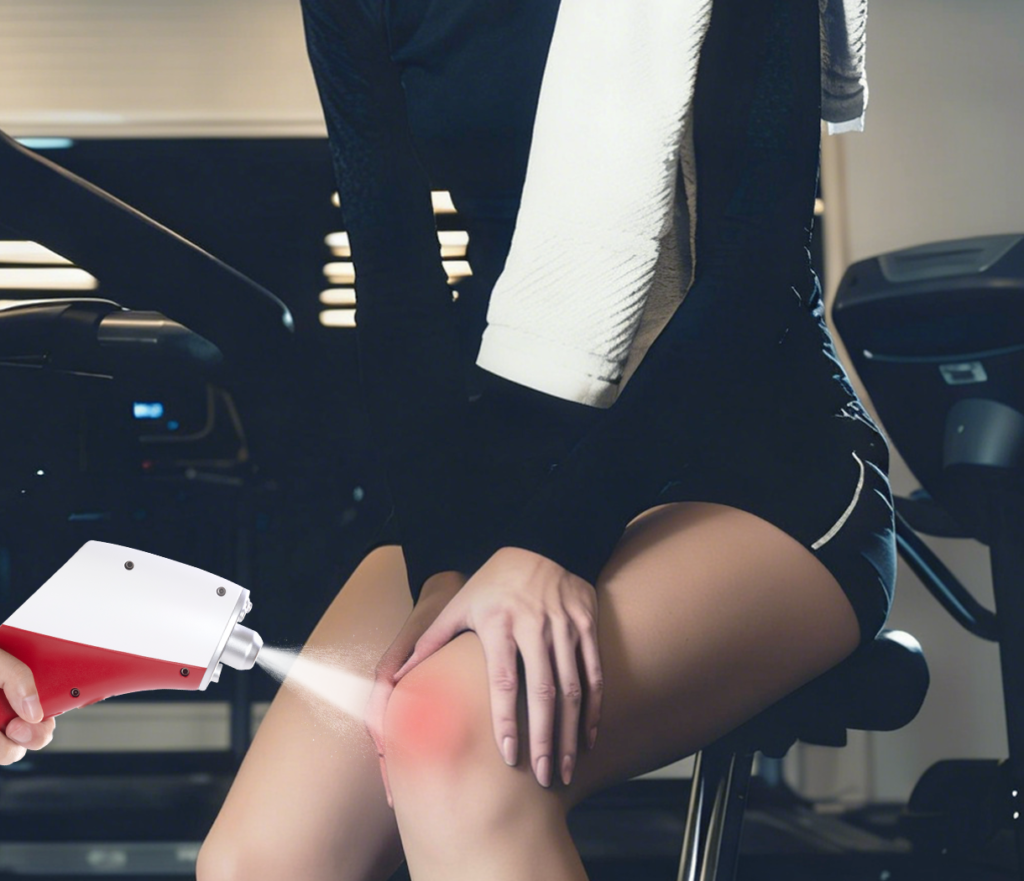
CO₂ cryotherapy involves applying extremely cold carbon dioxide to localized areas or entire limbs, typically using a hand-held applicator or compact chamber. Temperatures can reach as low as -78°C, enabling rapid reduction of tissue temperature without systemic hypothermia. Unlike ice baths or topical cold packs, CO₂ cryotherapy offers precise, controlled cooling that penetrates deeper into tissue, providing consistent therapeutic effects. The technology leverages cryogenically cooled CO₂ gas to induce vasoconstriction, followed by reactive vasodilation, which improves oxygen delivery and metabolite clearance in the muscles.
2.2 How CO₂ Cryotherapy Works on Muscles
The physiological effects of CO₂ cryotherapy are rooted in microcirculatory modulation and anti-inflammatory signaling. Initial vasoconstriction reduces tissue edema, while subsequent vasodilation enhances blood flow, delivering oxygen and nutrients to damaged fibers. Cold exposure also inhibits pro-inflammatory cytokines such as TNF-α and IL-6, which contribute to post-exercise soreness. Additionally, CO₂ cryotherapy stimulates fibroblast activity and collagen synthesis, supporting microstructural repair in connective tissue. Together, these mechanisms accelerate recovery, reduce delayed-onset muscle soreness, and improve readiness for subsequent training sessions.
3. Benefits of CO₂ Cryotherapy for Post-Workout Recovery
With the underlying biology explained, we can explore the tangible benefits CO₂ cryotherapy offers athletes and home exercisers.
3.1 Reducing Muscle Soreness
One of the most immediate benefits is the alleviation of DOMS. By lowering tissue temperature and modulating inflammatory mediators, CO₂ cryotherapy decreases pain perception and muscle stiffness. Athletes report faster restoration of peak performance and reduced reliance on pain medications. The therapy’s rapid onset of action and localized precision make it particularly effective for treating stubborn or high-load muscle groups, such as the quadriceps, hamstrings, and shoulders, which are commonly affected during strength and endurance training.
3.2 Improving Joint Health and Reducing Inflammation
Cold therapy is particularly beneficial for joints subjected to repetitive stress. CO₂ cryotherapy minimizes synovial inflammation, reduces periarticular edema, and enhances joint mobility. By controlling inflammatory responses in tendons and ligaments, it supports functional recovery and prevents minor overuse injuries from escalating. This is especially valuable for home exercisers performing high-repetition movements, resistance band routines, or plyometric exercises that place mechanical stress on connective tissues.
3.3 Enhancing Circulation and Cellular Repair
CO₂ cryotherapy’s vasoconstriction-vasodilation cycle improves microcirculation, promoting nutrient delivery and waste removal at the cellular level. Enhanced blood flow accelerates mitochondrial function and ATP production, essential for tissue repair. The therapy also stimulates fibroblast proliferation, supporting collagen synthesis and connective tissue remodeling. These effects collectively facilitate faster recovery, reduced fatigue, and improved long-term muscular resilience, making CO₂ cryotherapy a scientifically supported adjunct to post-workout routines.
4. How to Use CO₂ Cryotherapy Safely at Home
Safety and proper technique are critical when using CO₂ cryotherapy outside professional clinics.
4.1 Home Equipment Options
Home CO₂ cryotherapy devices vary in design. Hand-held applicators allow localized treatment of specific muscle groups, while mini-chambers or localized cooling pods offer broader coverage. Devices differ in cooling capacity, duration control, and safety features, such as automatic shutoff. Selecting an FDA-cleared device with clear temperature and exposure controls ensures both safety and efficacy.
4.2 Recommended Duration and Frequency
Safe and effective exposure typically ranges from 1–5 minutes per muscle group, depending on tissue thickness and user tolerance. Most home protocols recommend 2–4 sessions per week, with gradual acclimation to avoid frostbite or cold-induced tissue damage. Consistency, rather than excessive duration, drives recovery benefits.
4.3 Safety Precautions and Contraindications
Users must avoid direct skin contact with cryogenic gas, cover sensitive areas appropriately, and refrain from use on broken skin or areas with circulatory disorders. Individuals with cardiovascular conditions, cold hypersensitivity, or neuropathies should consult healthcare professionals before initiating therapy. Following manufacturer instructions and monitoring skin response are critical to prevent adverse events.
5. Comparing CO₂ Cryotherapy to Other Recovery Methods
Understanding alternatives helps contextualize CO₂ cryotherapy within a broader recovery strategy.
5.1 Ice Baths vs CO₂ Cryotherapy
Ice baths immerse entire limbs or the body in water at ~10–15°C, which can be uncomfortable and time-consuming. CO₂ cryotherapy provides targeted cooling, superior temperature control, and deeper tissue penetration without immersion, offering convenience and precision for home users.
5.2 Heat Therapy vs CO₂ Cryotherapy
Heat therapy promotes blood flow and relaxes muscles but is less effective at immediately reducing post-exercise inflammation. CO₂ cryotherapy’s cold stimulus inhibits excessive inflammatory responses, making it more suitable for acute recovery periods.
5.3 Compression, Massage, and CO₂ Cryotherapy
Combining compression garments, foam rolling, or massage with CO₂ therapy enhances lymphatic drainage, reduces edema, and further improves tissue repair. The synergistic effect accelerates recovery compared to using a single modality in isolation.
6. Integrating CO₂ Cryotherapy into a Post-Workout Routine
For maximum benefits, CO₂ therapy should be part of a holistic recovery plan.
6.1 Timing and Placement for Maximum Effect
Immediate post-exercise treatment is optimal. Target major muscle groups most affected during the workout, such as quadriceps, hamstrings, glutes, and deltoids. Short, controlled exposures promote rapid pain relief and enhanced functional recovery.
6.2 Combining Cryotherapy with Nutrition and Stretching
Recovery is multifactorial. Adequate hydration, protein intake, and gentle stretching complement CO₂ therapy, supporting cellular repair and reducing stiffness. Cold therapy alone is effective but achieves the best results when integrated into a structured recovery routine.
6.3 Tracking Recovery Progress
Monitoring soreness, flexibility, and strength gains allows athletes to adjust therapy frequency and intensity. Journals, wearable trackers, or simple self-assessments help evaluate the efficacy of CO₂ cryotherapy, ensuring a personalized and adaptive recovery strategy.
PERGUNTAS FREQUENTES
Is CO₂ cryotherapy safe for beginners at home?
Yes, when using approved devices, following exposure guidelines, and avoiding direct contact with extremely cold gas.
How soon after exercise should I use CO₂ cryotherapy?
Ideally within 30–60 minutes post-workout to maximize reduction in DOMS and inflammation.
Can it replace ice baths or stretching?
No, it is complementary; combining therapies yields the best recovery outcomes.
How frequently should I use it per week?
2–4 sessions are generally recommended; adjust based on workout intensity and personal tolerance.
Are there any contraindications?
Cold hypersensitivity, cardiovascular disease, and open skin lesions require professional consultation before use.
Conclusão
CO₂ cryotherapy is a scientifically supported, non-invasive, home-friendly recovery modality. By reducing muscle soreness, mitigating inflammation, and enhancing circulation, it accelerates post-workout recovery, improves performance consistency, and complements nutrition and stretching routines. When safely integrated into a home fitness regimen, it provides athletes and enthusiasts with a practical and effective solution to optimize recovery and maintain long-term musculoskeletal health.
Referências
PubMed – Cryotherapy for Muscle Recovery:
https://pubmed.ncbi.nlm.nih.gov/31208796
NCBI – CO₂ Cryotherapy Mechanisms:
https://www.ncbi.nlm.nih.gov/pmc/articles/PMC7081773
Harvard Health – Cold Therapy and Athletic Recovery:
https://www.health.harvard.edu/pain/cold-therapy-for-sports-injuries
American College of Sports Medicine – Recovery Methods for Athletes: