
Introdução
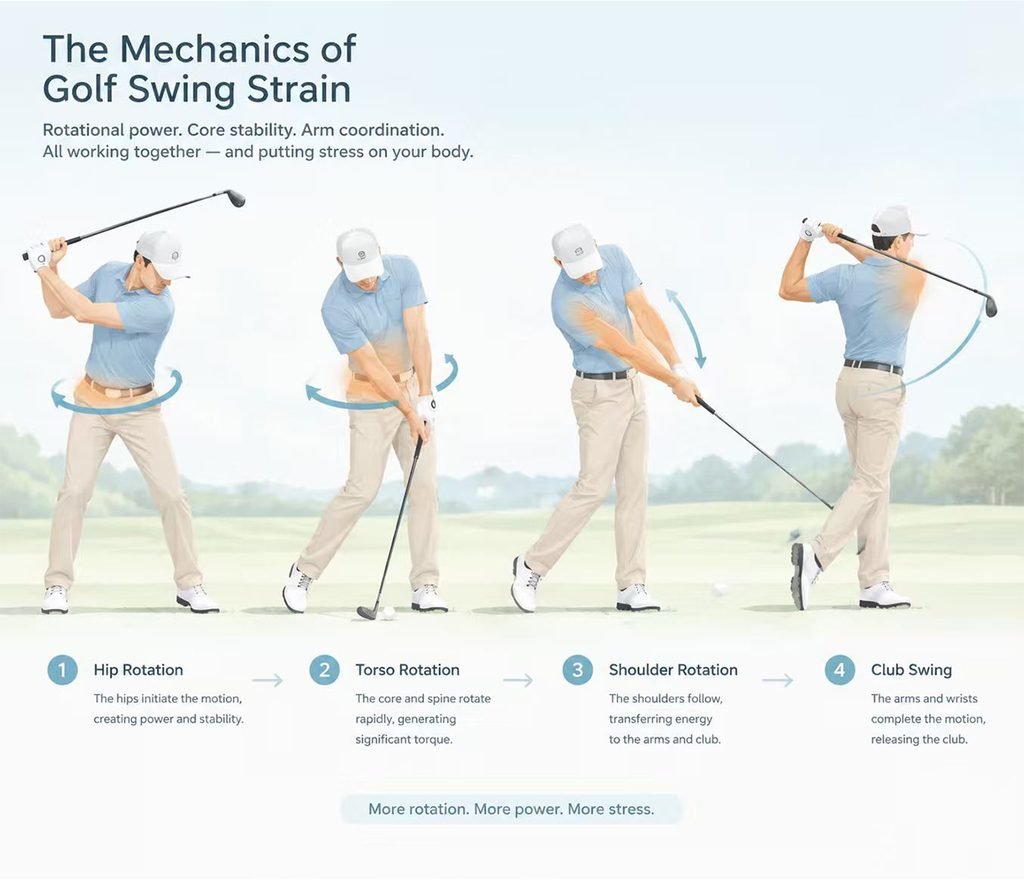
The golf swing is a complex athletic movement that requires a delicate synchronization of rotational power, core stability, and precise arm coordination. While players often focus heavily on their technique and equipment, the repetitive torque and physical demands placed on the body can lead to cumulative tissue stress over time. Managing this local fatigue is essential for maintaining a smooth motion and enjoying the game without persistent physical hindrances. Advanced non-invasive recovery methods-CO₂ cryotherapy, particularly localized carbon dioxide cooling technologies, offer a refreshing approach to supporting muscular comfort and tissue vitality right at the course or at home.
1 Understanding the Mechanics of Golf Swing Strain
1.1 Rotational Torque and Spinal Dynamics
The foundational power of a golf swing originates from rapid spinal rotation and hip displacement. This high-velocity twisting motion generates significant shear forces across the lower back and thoracic region. When repeated over dozens of swings during a standard round, these forces challenge the resilience of supporting spinal muscles and connective tissues.
1.2 The Impact of Forearm and Wrist Repetition
Beyond core rotation, the arms and wrists absorb substantial impact upon ball strike. The lead arm maintains a firm structure while the wrists whip through the release phase, creating concentrated tension along the forearm tendons. Over time, this repetitive gripping and snapping action can result in local micro-traumas and persistent joint stiffness.
1.3 Cumulative Fatigue in the Upper Extremities
As a round progresses into the back nine, cumulative fatigue begins to degrade swing consistency. Muscles that lack adequate recovery support experience reduced contraction efficiency and slower relaxation rates. Recognizing how this physical debt accumulates helps players adopt proactive maintenance habits before minor discomfort turns into lingering restrictions.
2 The Scientific Principles of CO₂ Cryotherapy
2.1 The Biological Mechanism of CO₂ Cryotherapy
CO₂ cryotherapy operates by exposing specific areas of the body to intensely cold temperatures for brief durations. When targeted cold reaches the skin and underlying tissues, it prompts an immediate constriction of local blood vessels, known as vasoconstriction. This physiological reaction temporarily slows down metabolic activity and reduces nerve conduction velocity, providing an effective method to soothe localized areas that have undergone heavy physical exertion.
2.2 Thermal Shock and Microcirculation Dynamics About CO₂ Cryotherapy
Following the initial cooling phase, the body initiates a natural rewarming process that triggers vasodilation, where local blood vessels expand and encourage a robust influx of oxygenated blood. This dynamic cycle of rapid temperature shifts helps clear metabolic byproducts from overworked muscle fibers. By supporting efficient microcirculation, the tissue environment receives renewed nourishment essential for natural recovery.
2.3 Precision Targeting in Modern Recovery
Unlike whole-body chambers that cool the entire system uniformly, CO₂ cryotherapy devices allow practitioners to direct the cooling stream precisely onto specific muscle groups or joint lines. This targeted capability ensures that high-stress regions—such as rotational axes used during athletic movements—receive concentrated support without exposing unaffected parts of the body to unnecessary thermal stress.
3 The Physiological Response to CO₂ Cryotherapy
3.1 Managing Localized Tissue Stress
Intensive physical activities impose significant biochemical demands on active tissues, often triggering localized inflammatory responses as part of the adaptation cycle. Controlled thermal application assists in modulating this natural process by moderating local enzymatic activity and soothing nerve endings. Consequently, individuals experience a balanced tissue response that keeps minor post-exertion stiffness manageable.
3.2 Supporting Range of Motion and Flexibility
Stiffness following repetitive movement can restrict joint fluidity and alter proper alignment during subsequent activities. By helping to relax hypertonic muscle fibers around key pivot points, targeted cold therapy encourages smoother articulation. Maintaining this baseline flexibility allows athletes to move through their routines with greater ease and lower mechanical resistance.
3.3 Optimizing Post-Activity Comfort Pathways
The sensation of physical ease following demanding exertion is vital for sustaining long-term training consistency. Rapid cooling applications interact gently with sensory receptors in the skin and underlying soft tissues, effectively interrupting pain signaling pathways. This immediate comfort allows for a more relaxed transition from active exertion to complete physical rest.
4 Advanced CO₂ Cryotherapy for Modern Athletes
4.1 Tailoring Recovery Protocols to Athletic Demands
Modern athletic training requires structured, efficient recovery methods that fit seamlessly into busy schedules. Rather than dedicating hours to passive resting, targeted interventions allow individuals to address specific fatigue zones in a matter of minutes. Tailoring these sessions to focus on high-impact areas ensures that recovery time is maximized with minimal disruption.
4.2 Synergy with Complementary Physical Care
Optimal physical maintenance relies on a multi-faceted approach rather than a single intervention. Combining localized cold applications with appropriate hydration, dynamic mobility work, and balanced nutrition creates a comprehensive framework for tissue health. This synergy ensures that the body receives both external comfort and the foundational building blocks required for structural repair.
4.3 The Evolution of Non-Invasive Wellness Tools
The landscape of personal physical care has shifted toward accessible, non-pharmacological solutions that empower individuals to manage their daily well-being. As advanced cooling technology becomes more refined, active enthusiasts gain reliable ways to support their physical longevity. CO₂ cryotherapy redefines how everyday strain is addressed, promoting sustained vitality across all levels of activity.
5 Integrating CO₂ Cryotherapy into Regular Athletic Routines
5.1 Establishing Consistent Maintenance Habits
Consistency remains the driving force behind any effective physical maintenance strategy. Incorporating short, targeted recovery sessions into a weekly schedule ensures that accumulated tension is addressed before it develops into persistent discomfort. Building this rhythm transforms recovery from a reactive measure into a proactive lifestyle habit.
5.2 Listening to the Body and Adapting Intensity After CO₂ Cryotherapy
Every physical routine places unique demands on the musculoskeletal system, requiring a flexible approach to self-care. Monitoring how tissues respond to different activity levels allows individuals to adjust their recovery protocols accordingly. Tuning into these physical cues ensures that support is applied precisely when and where it is needed most.
5.3 Embracing Long-Term Physical Longevity
Sustaining a high level of physical engagement over the years demands a commitment to smart, sustainable recovery habits. By embracing innovative, non-invasive methods that support cellular and tissue vitality, active individuals can continue pursuing their passions with confidence. This forward-looking mindset ensures lasting freedom of movement and enduring physical enjoyment.
Frequently Asked Questions About CO₂ Cryotherapy
What makes localized CO₂ cryotherapy different from traditional ice packs?
Localized carbon dioxide cryotherapy delivers much colder temperatures at a controlled, rapid rate directly to a specific target zone, producing immediate thermal shifts that conventional ice packs cannot match.
How long does a typical targeted session last?
Most localized cold applications require only a few minutes per treatment area, making them exceptionally efficient for pre- or post-activity routines.
Can targeted cryotherapy be applied to multiple muscle groups in one session?
Yes, the precision handheld delivery allows users to address various high-stress areas sequentially during a single recovery session.
Does the application cause any skin irritation or discomfort?
When operated according to standard guidelines, the dry carbon dioxide vapor creates a comfortable, intensely refreshing sensation without moisture-related skin freezing.
How soon after physical activity should the cooling session take place?
Applying the localized therapy shortly after completing physical exertion helps address acute warmth and tension before stiffness fully sets in.
Conclusão
Maintaining optimal physical fluidity and managing repetitive strain are essential elements for anyone dedicated to an active lifestyle. By integrating advanced targeted cooling technologies into regular self-care routines, individuals can effectively support their tissue health and enhance daily comfort. Ultimately, embracing these innovative, non-invasive methods paves the way for sustained mobility, greater physical confidence, and long-term enjoyment of athletic pursuits.
Referências
The Physiological Effects of Localized Cryotherapy on Muscle Tissue Recovery
https://www.ncbi.nlm.nih.gov/pmc/articles/PMC3956409/
Mechanisms of Cold-Induced Vasoconstriction and Vasodilation in Human Tissue
https://www.ncbi.nlm.nih.gov/pmc/articles/PMC4049052/
Evaluating the Efficacy of Target-Specific Cryotherapy in Athletic Populations
https://pubmed.ncbi.nlm.nih.gov/25201157/
Thermal Regulation and Tissue Metabolism Following Localized Cold Exposure
https://www.ncbi.nlm.nih.gov/pmc/articles/PMC5118491/
The Role of Non-Invasive Modalities in Managing Repetitive Strain and Muscle Fatigue