Introdução
Yoga has become a popular practice for improving flexibility, balance, body awareness, and overall wellness. However, regular yoga sessions, especially those involving deep stretching, advanced poses, and long-duration holds, can create physical stress on muscles, joints, and connective tissues. CO₂ cryotherapy, also known as carbon dioxide cryotherapy or localized cryotherapy, provides a targeted cooling approach that many active individuals explore as part of their recovery routines. By using controlled carbon dioxide cooling technology, this method offers a different experience from traditional ice packs and general cold applications, making it an interesting option for yoga practitioners who want to support their post-training wellness habits.
1. Understanding CO₂ Cryotherapy and Its Role in Yoga Recovery
Before exploring how CO₂ cryotherapy fits into yoga routines, it is important to understand the technology behind localized cold therapy. Unlike traditional cooling methods, CO₂ cryotherapy uses controlled carbon dioxide gas to create rapid cooling on specific body areas.
1.1 What Is CO₂ Cryotherapy?
CO₂ cryotherapy is a localized cold therapy method that uses carbon dioxide to produce a controlled cooling effect on targeted areas of the body. The process involves applying cold carbon dioxide gas to the skin surface, creating a rapid temperature change without directly placing ice or frozen materials on the body.
This technology is often associated with localized cryotherapy because it allows users to focus on specific areas rather than cooling the entire body. Common application areas include muscles, joints, and regions that experience temporary discomfort after physical activity.
Compared with traditional ice therapy, CO₂ cryotherapy provides a more precise approach. The cooling process can be directed toward selected areas, which makes it suitable for active individuals who want to incorporate targeted recovery methods into their wellness routines.
1.2 Why Yoga Practitioners Explore Targeted Cold Therapy
Yoga involves controlled movements, stretching positions, and sustained muscle engagement. Although many people practice yoga for relaxation and mobility, certain styles such as power yoga, hot yoga, and advanced flexibility training can place additional demands on specific muscle groups.
Yoga practitioners may explore targeted cold therapy because it provides a different recovery experience after physical activity. Instead of applying general cooling methods, localized cryotherapy allows attention to areas that experience repeated movement or tension.
Common areas where yoga practitioners may consider CO₂ cryotherapy include:
- Lower back after extended stretching sessions
- Shoulders after weight-bearing poses
- Hips after flexibility-focused routines
- Knees during mobility training
- Calves and legs after longer practice sessions
The purpose is not to replace professional guidance but to support a balanced recovery approach alongside proper stretching, hydration, rest, and healthy movement habits.
2. How CO₂ Cryotherapy Works With Flexibility Training
Understanding the relationship between cooling technology and flexibility training helps explain why some active individuals include CO₂ cryotherapy in their wellness routines.
2.1 The Science Behind Carbon Dioxide Cooling Technology
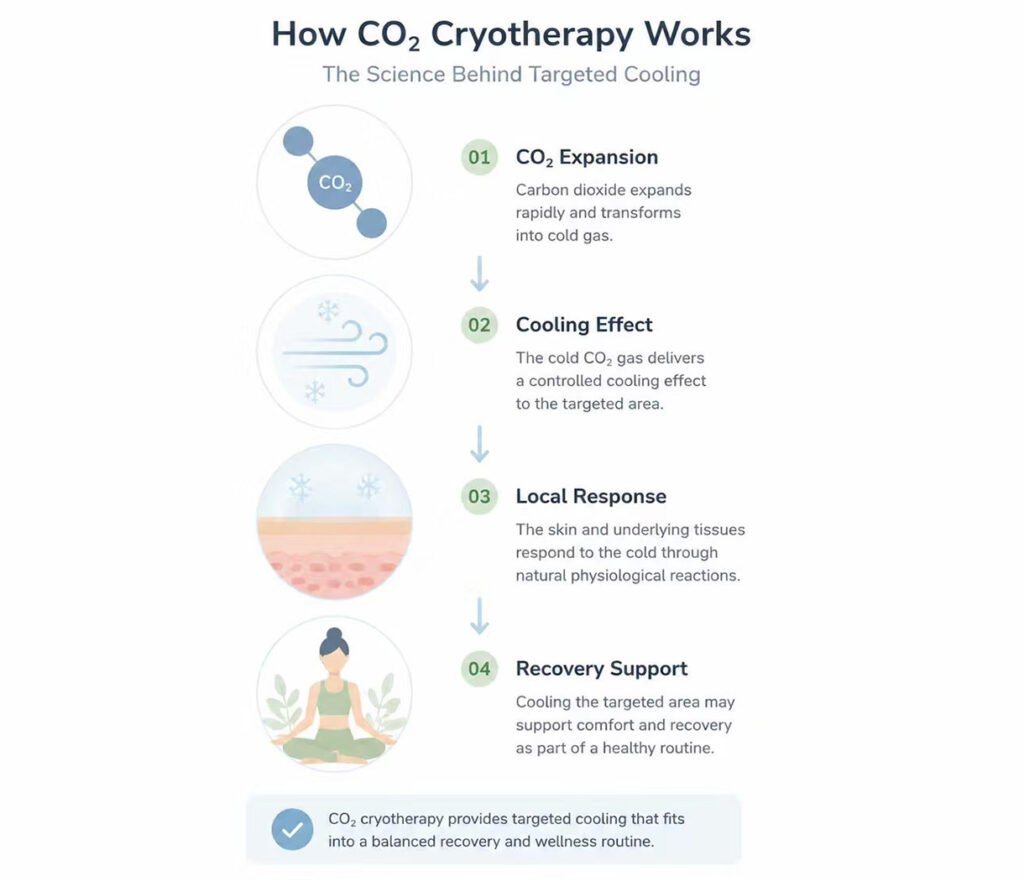
CO₂ cryotherapy works through the rapid expansion of carbon dioxide gas, which creates a cooling effect when applied to targeted skin areas. This controlled temperature change interacts with the body’s natural responses to cold exposure.
Modern cryotherapy technology focuses on delivering consistent cooling while allowing users to target specific locations. Unlike traditional cold methods that rely on frozen objects, carbon dioxide cooling provides a contact-free approach.
From a scientific perspective, cold exposure can influence local circulation patterns and sensory responses. The body naturally reacts to temperature changes through physiological mechanisms that help maintain balance. Because of this, localized cooling has become an area of interest within sports recovery and wellness environments.
2.2 Supporting Recovery After Stretching and Mobility Exercises
Flexibility training often involves repeated stretching, controlled movements, and extended positions that challenge muscles and connective tissues. After these activities, some people experience temporary stiffness or physical fatigue.
CO₂ cryotherapy can be incorporated into recovery routines by providing targeted cooling to areas that feel stressed after training. Many yoga practitioners combine recovery methods such as gentle movement, breathing exercises, hydration, and localized cold therapy.
For example, individuals practicing deep hip-opening sequences may focus on the hip area, while those performing shoulder-intensive poses may choose targeted cooling around the shoulder region.
The goal of incorporating CO₂ cryotherapy is to support comfort and recovery habits rather than replace essential yoga techniques or professional health advice.
3. CO₂ Cryotherapy Application Areas for Yoga Practitioners
Different yoga styles create different physical demands. Understanding common application areas can help practitioners better understand where localized cryotherapy may fit into their routines.
3.1 Hip and Lower Body Recovery After Flexibility Practice
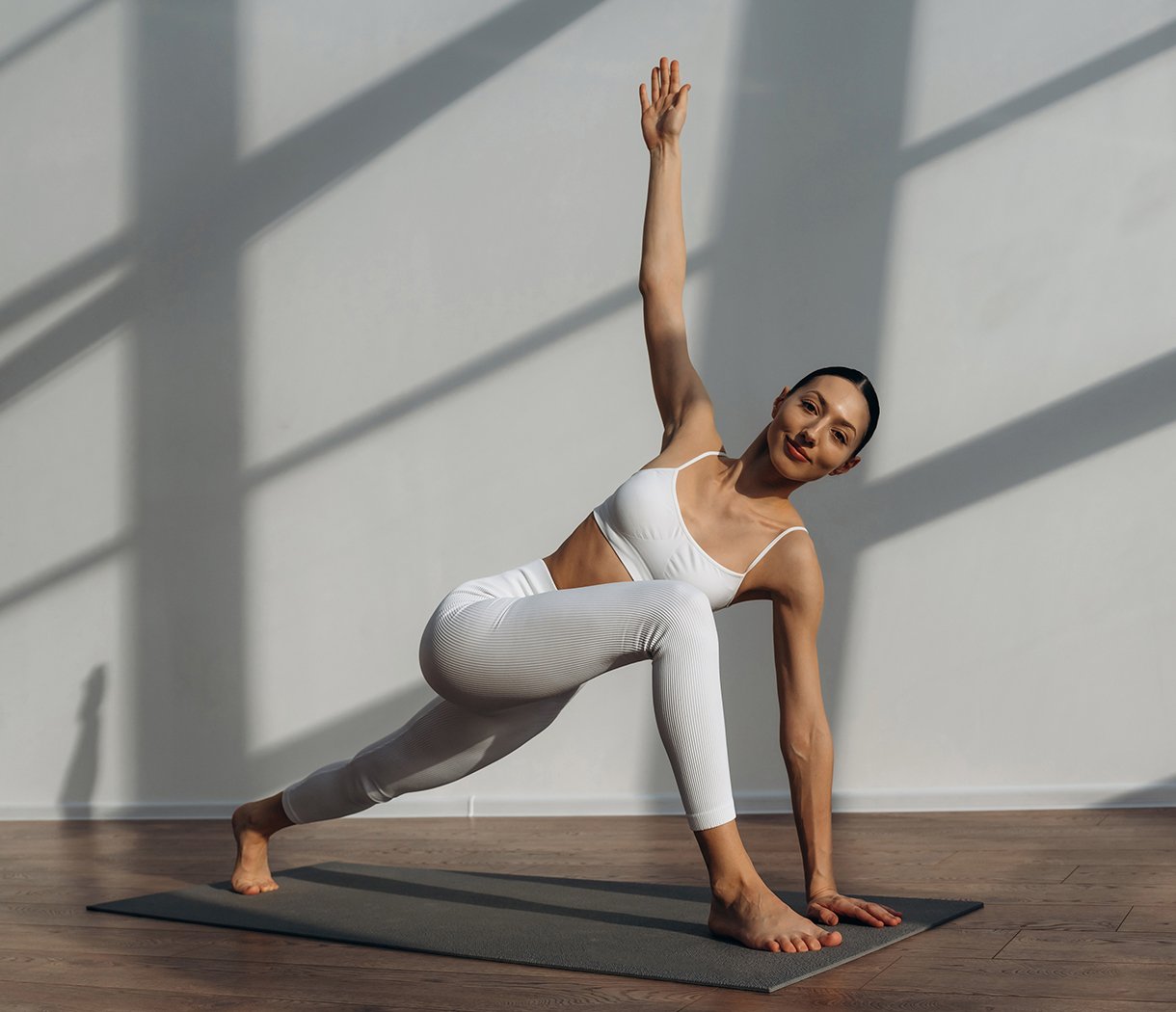
Hip mobility is an important component of many yoga practices. Poses involving hip opening, deep lunges, and extended stretching often require significant engagement from muscles around the hips, glutes, and thighs.
After flexibility-focused sessions, some practitioners may experience temporary tightness or fatigue in these areas. Localized CO₂ cryotherapy provides a targeted cooling approach that can be directed toward specific muscle groups involved in movement.
For yoga practitioners who frequently practice mobility exercises, targeted recovery methods may help create a more comfortable transition between training sessions.
3.2 Shoulder and Upper Body Support During Weight-Bearing Poses
Many yoga styles include poses that require upper-body strength and stability, such as downward-facing dog, plank variations, arm balances, and inversion preparation movements.
These movements can place repeated demands on the shoulders, arms, and upper back. CO₂ cryotherapy allows users to focus cooling on specific areas involved in these movements.
By including localized cold therapy as part of a broader wellness routine, yoga practitioners can explore additional ways to support their bodies during consistent training.
4. Comparing CO₂ Cryotherapy With Traditional Recovery Methods
Yoga practitioners often use multiple recovery approaches, including stretching, massage, heat therapy, and cold applications. Understanding how CO₂ cryotherapy differs from traditional methods provides more context.
4.1 CO₂ Cryotherapy vs Ice Packs for Yoga Recovery
Ice packs are one of the most familiar cold therapy methods. They are simple and widely available, but they usually provide cooling through direct contact with a frozen object.
CO₂ cryotherapy uses carbon dioxide gas instead of frozen materials, creating a different cooling experience. The treatment area can be targeted more precisely, and users do not need to manage melting ice or bulky cold packs.
Both approaches focus on cooling, but CO₂ cryotherapy offers a technology-based option for people interested in controlled localized applications.
4.2 CO₂ Cryotherapy vs Heat Therapy After Yoga Sessions
Heat therapy and cold therapy provide different experiences. Heat-based methods are commonly associated with relaxation and warmth, while CO₂ cryotherapy focuses on controlled cooling.
Some yoga practitioners prefer warmth after gentle stretching sessions because it creates a relaxing sensation. Others may explore localized cooling after more intensive flexibility training or physically demanding routines.
The choice between heat and cold depends on personal preference, activity type, and individual recovery goals.
5. Integrating CO₂ Cryotherapy Into a Balanced Yoga Wellness Routine
A consistent yoga practice involves more than flexibility training. Recovery habits, movement awareness, and proper body care all contribute to maintaining a sustainable routine. It can be considered as one supportive option within a broader wellness approach.
5.1 When Yoga Practitioners May Consider Localized Cold Therapy
Yoga practitioners may explore CO₂ cryotherapy after sessions that involve intense stretching, advanced poses, or repeated movement patterns. For example, people participating in longer yoga classes or mobility-focused training may look for additional ways to support areas that experience temporary physical stress.
Localized cold therapy may fit into different schedules, including after yoga practice, between training sessions, or as part of a general recovery routine. The ideal timing depends on personal preferences, training intensity, and individual wellness habits.
It is important to view CO₂ cryotherapy as a complementary approach. Maintaining proper yoga techniques, balanced training, sufficient rest, and professional guidance when needed remain essential parts of a healthy practice.
5.2 Choosing a Suitable CO₂ Cryotherapy Approach for Yoga Training
When considering CO₂ cryotherapy, yoga practitioners should pay attention to factors such as application area, cooling technology, device design, and personal comfort preferences.
A suitable localized cryotherapy method should provide controlled cooling, convenient operation, and the ability to focus on specific body regions. This targeted approach is different from general cooling methods because it allows users to address individual areas involved in their movement routines.
For yoga enthusiasts, combining modern recovery technology with traditional practices such as stretching, breathing, and mindfulness can create a more complete wellness strategy.
PERGUNTAS FREQUENTES
What is CO₂ cryotherapy for yoga practitioners?
It is a localized cold therapy method that uses carbon dioxide cooling technology to provide targeted cooling after physical activity.
Can yoga practitioners use CO₂ cryotherapy after stretching?
Many people explore localized cryotherapy after stretching or mobility sessions as part of their recovery routine.
Which body areas are commonly considered for CO₂ cryotherapy after yoga?
Common areas include shoulders, hips, lower back, knees, calves, and other regions involved in yoga movements.
Is CO₂ cryotherapy the same as using an ice pack?
No. It uses controlled carbon dioxide cooling, while ice packs rely on direct contact with frozen materials.
Does CO₂ cryotherapy replace yoga recovery methods?
No. It can be used as a supportive option alongside proper stretching, hydration, rest, and healthy movement habits.
How long does a CO₂ cryotherapy session usually take?
Session duration depends on the equipment and application area. Many localized cryotherapy sessions are designed to be completed within a short period.
Conclusão
CO₂ cryotherapy provides yoga practitioners with another option for supporting recovery after flexibility training and mobility exercises. Through localized carbon dioxide cooling technology, this method offers a targeted approach that differs from traditional ice or heat-based recovery methods. Whether practicing gentle yoga, power yoga, or advanced flexibility training, individuals can explore CO₂ cryotherapy as part of a balanced wellness routine that includes proper movement, rest, and body awareness.
Referências
Photobiomodulation and Cryotherapy: Emerging Approaches in Sports Recovery and Physical Wellness
https://www.ncbi.nlm.nih.gov/pmc/articles/PMC7551347
Cryotherapy in Sports Medicine: A Review of Physiological Effects and Applications
https://www.ncbi.nlm.nih.gov/pmc/articles/PMC4049645
The Effects of Local Cooling on Human Physiology and Recovery
https://www.ncbi.nlm.nih.gov/pmc/articles/PMC5021473
Cold Therapy and Its Role in Exercise Recovery: Current Perspectives
https://www.ncbi.nlm.nih.gov/pmc/articles/PMC8618665
Cryotherapy: Mechanisms, Applications, and Future Directions