Introdução
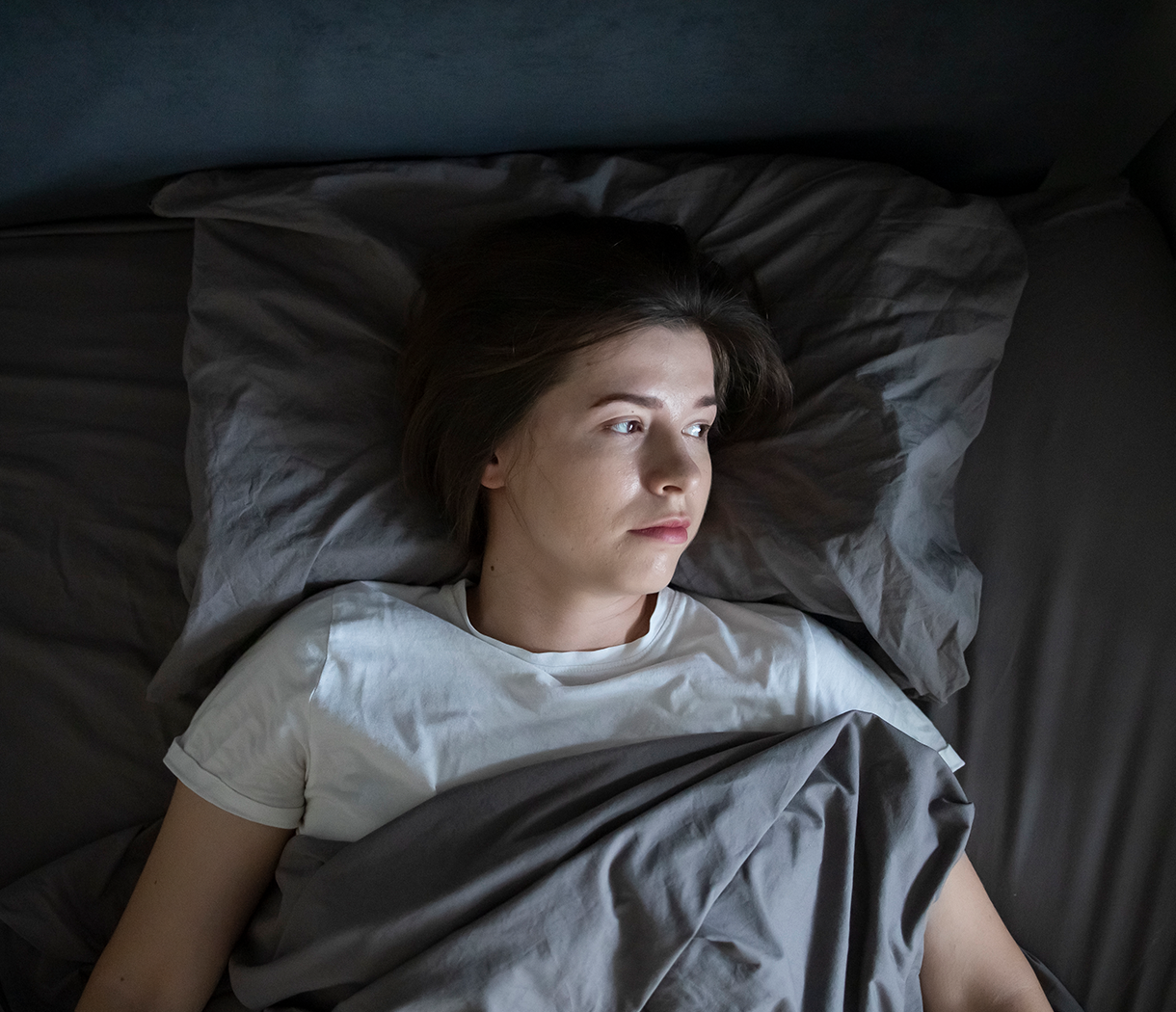
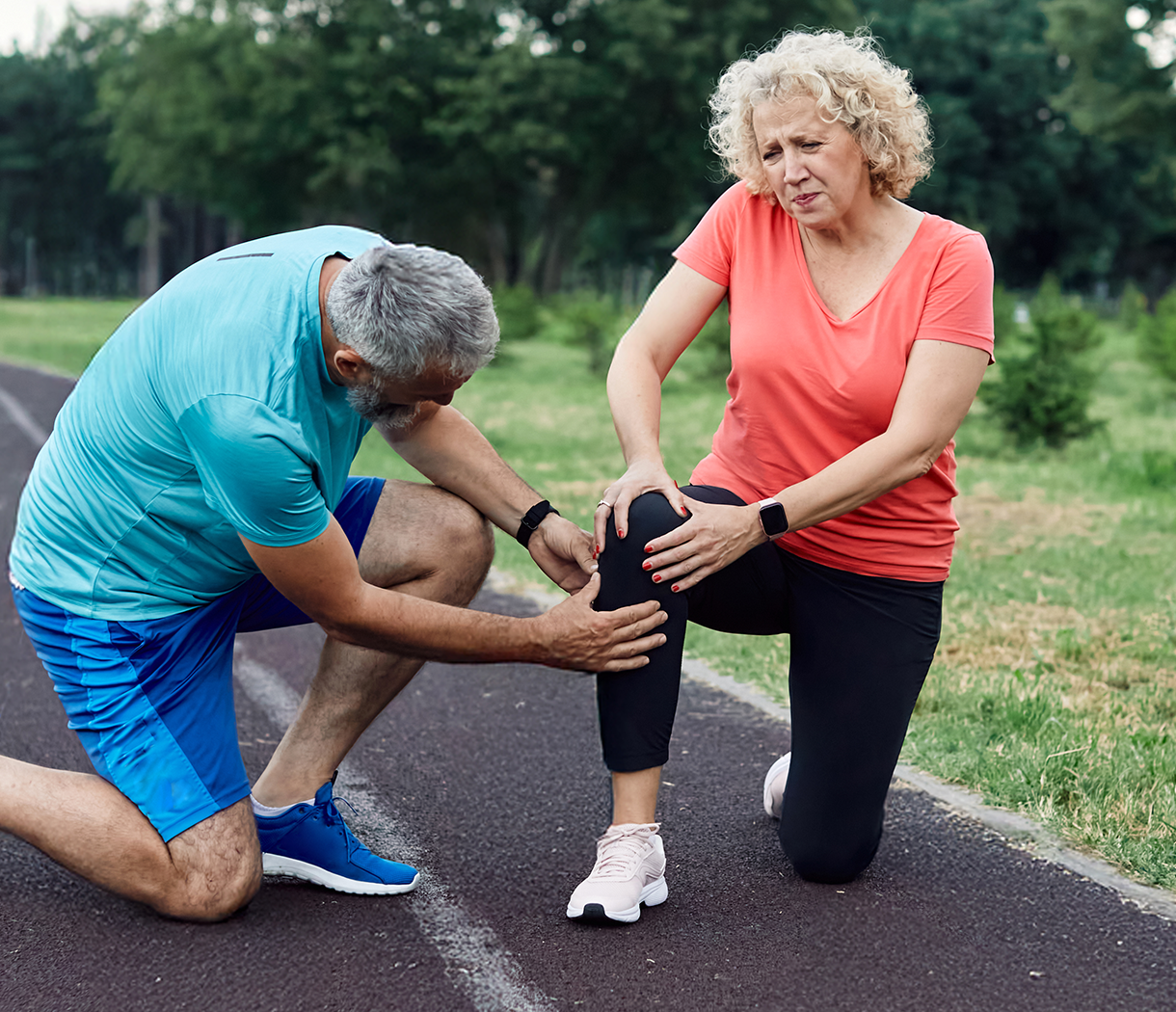
Menopause is often linked to hot flashes, sleep changes, and mood changes. But physical discomfort deserves equal attention. Muscle aches, joint stiffness, and back discomfort can become more noticeable during and after menopause. Research shows muscle and joint pain is common during this transition. Causes vary: hormonal changes, aging, activity changes, sleep disruption, body composition, and existing conditions. For women seeking non-invasive comfort support, localized cryotherapy is gaining interest. CO₂ Cryotherapy delivers targeted cooling to specific areas, not the whole body. It is not a treatment for menopause itself. But it may complement a broader wellness routine for temporary discomfort, soreness, and stiffness.
1. Why Muscle and Joint Discomfort Can Become More Noticeable During Menopause
The menopausal transition involves substantial physiological changes, and musculoskeletal symptoms can become an important part of that experience. Understanding the relationship between menopause and physical discomfort provides useful context for considering supportive approaches such as localized cryotherapy.
1.1 The Connection Between Menopause and Musculoskeletal Comfort
Muscle and joint discomfort is increasingly recognized as a common concern during perimenopause and postmenopause. Research has reported higher rates of muscle or joint pain among women transitioning through menopause compared with premenopausal women. The reasons are complex, and estrogen changes may be one contributing factor rather than the only explanation. Women may also experience changes in muscle mass, physical activity, sleep quality, body composition, and joint health during midlife. These factors can interact, making ordinary activities such as walking, exercising, working at a desk, climbing stairs, or maintaining certain postures feel less comfortable than before. Because menopause-related musculoskeletal symptoms can have multiple causes, an appropriate healthcare professional should evaluate persistent or unexplained pain rather than automatically attribute it to hormonal changes.
1.2 Common Areas of Physical Discomfort
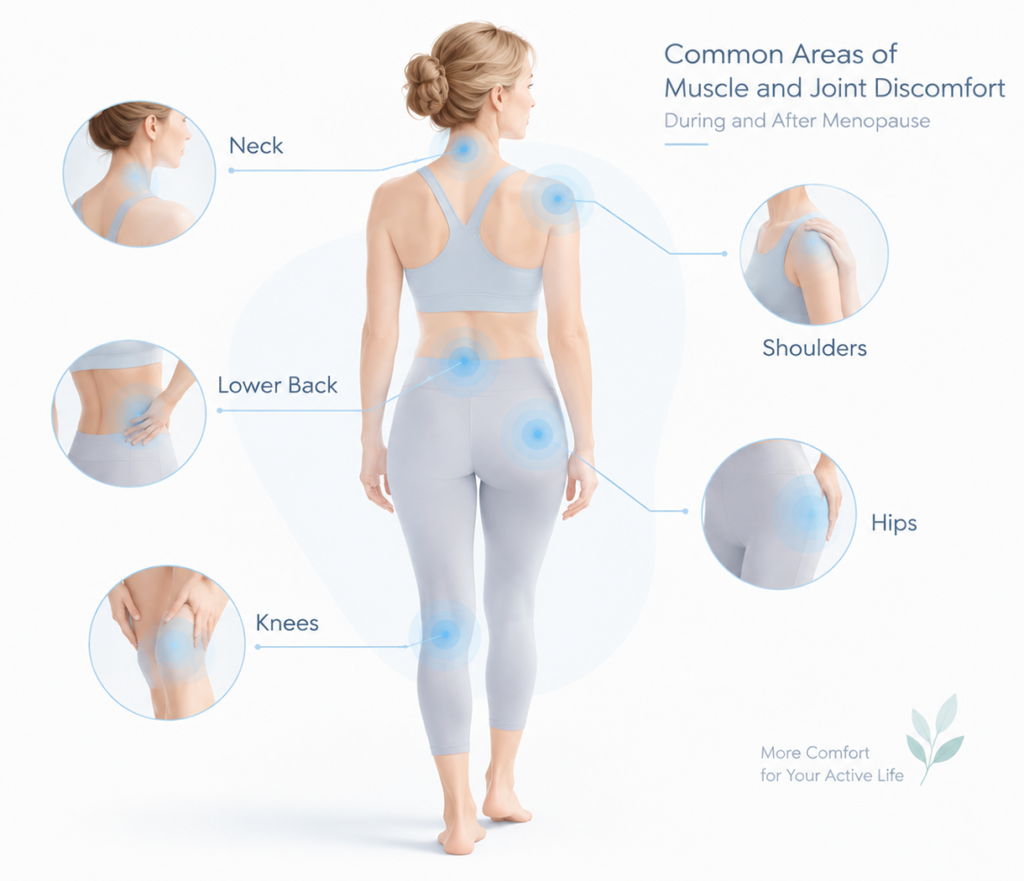
Menopause-related musculoskeletal complaints can involve different parts of the body, depending on a person’s activity level, posture, existing conditions, and overall physical health. The lower back, neck, shoulders, hips, knees, hands, and other joints may become areas where stiffness or soreness is noticed. Some women may primarily experience generalized muscle discomfort, while others may notice symptoms in a specific joint or muscle group. This variation is important because localized discomfort can make a targeted recovery approach more practical than a generalized cold exposure method. Rather than treating menopause as a single condition with one physical symptom pattern, it is more useful to identify the specific areas affecting everyday comfort and then consider appropriate supportive strategies.
2. How Localized CO₂ Cryotherapy Works on Targeted Areas
Unlike whole-body cryotherapy, localized CO₂ Cryotherapy focuses cooling on a selected body region. This makes it particularly relevant when a person wants to address a specific area of temporary soreness or stiffness without applying cold to the entire body.
2.1 Rapid Cooling and the Body’s Sensory Response
CO₂ Cryotherapy uses pressurized carbon dioxide to create rapid localized cooling. LocalCryotherapy describes its system as delivering high-pressure CO₂ gas at approximately -78°C to a targeted area. Research on gaseous cryotherapy has shown that CO₂ cooling can produce a rapid decrease in skin temperature and a pronounced thermal response. Cold exposure can also influence sensory nerve activity, including nerve conduction and the perception of pain. These physiological responses help explain why cold therapy is commonly incorporated into musculoskeletal recovery strategies. However, the response to cold differs between individuals, and more intense cooling is not necessarily better. Professional application and appropriate control of the treatment area are important when using a localized cryotherapy device.
2.2 Why Localized Cooling Can Be Useful for Midlife Recovery
One advantage of localized cryotherapy is that it targets a specific area, not the whole body. For example, someone with shoulder discomfort after exercise can focus on the shoulder. Someone with temporary knee soreness can target the knee. This fits easily into a broader recovery routine with movement, stretching, strength training, rest, and professional care when needed. It does not reverse hormonal changes from menopause. It provides localized cooling that may support short-term comfort.
3. Potential Benefits of CO₂ Cryotherapy for Menopause-Related Discomfort
The potential value of localized CO₂ Cryotherapy lies primarily in its ability to provide targeted cold exposure. For women experiencing occasional muscle soreness or joint discomfort during midlife, this may complement other approaches used to maintain mobility and physical comfort.
3.1 Supporting Temporary Pain Relief
Cold therapy has long been used to support musculoskeletal pain. One proposed mechanism is reduced nerve conduction and altered sensory signaling. This can temporarily reduce pain in a treated area. Reviews describe analgesic effects from localized cooling, though evidence strength varies by condition and cryotherapy type. For temporary soreness in a specific muscle or joint, localized CO₂ cooling may be one part of a comfort-focused routine, not a stand-alone treatment.
3.2 Helping Manage the Feeling of Stiffness After Activity
Stiffness can become especially noticeable when physical activity, sleep disruption, and age-related changes occur at the same time. A localized cooling session may temporarily change sensory input around a sore or overworked area. This may help it feel more comfortable afterward. It can be useful after walking, resistance training, recreational exercise, gardening, or other physical activity. But cold therapy should complement, not replace, regular movement, mobility exercises, strengthening, and recovery habits. Maintaining physical function is key to long-term musculoskeletal health.
3.3 Supporting a More Targeted Recovery Routine
Midlife recovery does not have to rely on one single method. A balanced routine can include regular movement, resistance exercise, flexibility work, sufficient sleep, hydration, and appropriate medical care. Localized CO₂ Cryotherapy can potentially fit into this framework when temporary discomfort affects a particular body area. Its targeted application may make it easier to incorporate into a recovery routine without requiring whole-body cold exposure. This distinction is particularly useful for individuals who are interested in localized symptom support rather than a full-body wellness experience.
4. When CO₂ Cryotherapy May Fit Into a Menopause Wellness Routine
The timing and purpose of localized cooling can vary according to the individual’s activity level and the type of discomfort being experienced. Thinking about cryotherapy as part of an overall routine can help create more realistic expectations.
4.1 After Exercise or Increased Physical Activity
Regular exercise plays an important role in maintaining strength, mobility, balance, and overall health during and after menopause. However, returning to exercise after a period of inactivity or increasing training volume can sometimes produce temporary muscle soreness. In this situation, localized CO₂ Cryotherapy may be considered as a complementary recovery option for a specific area that feels uncomfortable after activity. It should not be used as a reason to ignore persistent pain or continue exercising through an injury. If discomfort repeatedly limits movement or worsens with activity, identifying the underlying cause is more important than simply managing the sensation of soreness.
4.2 During Periods of Increased Muscular Tension
Changes in sleep, stress, activity patterns, and daily posture may all influence how the body feels during the menopausal transition. Some people notice increased tension in areas such as the neck, shoulders, or lower back after long periods of sitting or repetitive activity. Localized cooling may offer temporary sensory relief in these areas, while mobility exercises and ergonomic adjustments address some of the contributing factors. This combination illustrates an important principle: CO₂ Cryotherapy can be viewed as a supportive modality within a broader physical comfort strategy rather than as a replacement for movement or clinical assessment.
4.3 As Part of a Professional Recovery Setting
Localized CO₂ Cryotherapy can also fit into professional environments where targeted recovery services are already offered. Physiotherapy clinics, chiropractic practices, sports recovery facilities, and wellness centers may use localized cooling as one modality within a broader service program. For women in midlife, the most appropriate application should depend on the specific area being treated, the individual’s health history, and the purpose of the session. Professional guidance is particularly important when pain is persistent, severe, associated with swelling or weakness, or accompanied by other unexplained symptoms.
5. What Makes CO₂ Cryotherapy Different From Traditional Cold Therapy?
People often associate cryotherapy with ice packs or cold compresses, but localized CO₂ systems use a different delivery method. Understanding this difference helps explain why CO₂ Cryotherapy can be considered when targeted cooling is the primary goal.
5.1 Targeted Application Instead of General Cold Exposure
Traditional ice packs usually rely on direct contact between a cold material and the skin, while localized CO₂ systems deliver cooling through a specialized device. This allows the practitioner to direct the cooling stimulus toward a selected area. LocalCryotherapy describes its technology as a targeted CO₂ system designed for localized application, making it different from whole-body cryotherapy chambers. The distinction matters because the goal of localized treatment is to focus on a specific region rather than create a generalized cold experience.
5.2 Short, Controlled Cooling Applications
Localized CO₂ Cryotherapy is designed around brief, controlled applications rather than prolonged exposure. LocalCryotherapy materials describe treatment applications lasting only seconds in specific areas, although the appropriate duration and technique should depend on the equipment, treatment site, and professional protocol. This short application model may make localized cryotherapy convenient for professional recovery environments. It also reinforces why treatment parameters should not be copied from generic online instructions: localized cold therapy requires appropriate technique, distance, movement, and exposure control.
6. Safety and Realistic Expectations During Menopause
Although practitioners widely use cryotherapy as a physical modality, cold exposure is not appropriate for every individual or every situation. Menopause itself should not automatically serve as an indication for CO₂ Cryotherapy, and users should maintain realistic expectations about what localized cooling can accomplish.
6.1 CO₂ Cryotherapy Is Not a Treatment for Menopause
CO₂ Cryotherapy does not address the hormonal changes that occur during perimenopause or postmenopause, and it should not be presented as a treatment for menopause itself. Current research suggests that musculoskeletal symptoms during menopause can have multiple contributing factors, and the relationship between estrogen changes and pain is complex. A localized cooling modality may help support comfort in a specific area, but it cannot replace appropriate evaluation or evidence-based management of underlying conditions. This distinction is especially important for health-focused content because treating a symptom and addressing its underlying cause are not the same thing.
6.2 When Professional Assessment Matters
Patients should not simply manage persistent joint pain, significant swelling, weakness, reduced range of motion, numbness, unexplained weight loss, fever, or pain that interferes with normal daily activities with cold therapy. Midlife joint and muscle symptoms can have many possible causes, including osteoarthritis, inflammatory conditions, injuries, and other health issues that require appropriate assessment. Patients can consider cryotherapy as a complementary modality when appropriate, but a healthcare professional should determine whether additional evaluation or treatment is needed. Cold therapy also requires appropriate precautions because excessive or unsuitable exposure can cause complications such as cold injury or nerve irritation.
PERGUNTAS FREQUENTES
Is CO₂ Cryotherapy a treatment for menopause?
No. CO₂ Cryotherapy does not treat the hormonal changes associated with menopause. It may be considered as a complementary localized cooling option for temporary muscle or joint discomfort.
Can CO₂ Cryotherapy help with menopause-related joint discomfort?
It may provide temporary comfort in a targeted area, but direct evidence specifically studying CO₂ Cryotherapy for menopause-related joint pain remains limited. It should be viewed as a supportive modality rather than a proven menopause treatment.
Which areas can be targeted with localized CO₂ Cryotherapy?
Depending on the individual’s needs and professional assessment, practitioners may direct localized cooling toward areas such as the shoulders, lower back, knees, hips, arms, or other musculoskeletal regions.
Can women exercise while using CO₂ Cryotherapy?
Localized cryotherapy can complement an active lifestyle, but patients should not use it to mask significant pain or allow someone to continue exercising through a possible injury. Persistent or worsening symptoms should receive professional assessment.
How is CO₂ Cryotherapy different from an ice pack?
CO₂ Cryotherapy uses a specialized device to deliver controlled, targeted cooling, while an ice pack provides cold through direct contact. The two approaches may produce different physiological and practical responses, and neither should automatically be considered appropriate for every condition.
Is CO₂ Cryotherapy suitable for everyone during menopause?
Not necessarily. Individual health conditions, circulation, skin sensitivity, neurological conditions, medications, and the specific reason for treatment should be considered before using localized cold therapy. Professional guidance is appropriate when there are health concerns.
Conclusão
Muscle and joint discomfort can become an important part of the physical experience of perimenopause and postmenopause, making recovery and daily comfort increasingly relevant for many women. CO₂ Cryotherapy offers a targeted approach to localized cooling that may complement broader strategies for managing temporary soreness and stiffness. Its value should be understood in realistic terms: localized CO₂ cooling does not correct hormonal changes or treat menopause itself, but it may provide a convenient supportive option when a particular muscle or joint area feels uncomfortable. When combined with regular movement, strength training, mobility work, healthy recovery habits, and appropriate medical guidance, localized cryotherapy can become one component of a more comprehensive approach to midlife physical wellness.
Referências
Musculoskeletal Manifestations of Perimenopause: A Systematic Review and Meta-Analysis of 93,021 Women
https://pubmed.ncbi.nlm.nih.gov/41523660
The Musculoskeletal Syndrome of Menopause
https://pubmed.ncbi.nlm.nih.gov/39077777
Musculoskeletal Pain and Menopause
https://pubmed.ncbi.nlm.nih.gov/29412042
Musculoskeletal Pain during the Menopausal Transition: A Systematic Review and Meta-Analysis
https://pubmed.ncbi.nlm.nih.gov/33299396
The Effect of Hormone Replacement Therapy on Musculoskeletal Pain in Menopausal Women: A Systematic Review and Meta-Analysis
https://pubmed.ncbi.nlm.nih.gov/41344380
Physiological Assessment of a Gaseous Cryotherapy Device: Thermal Effects and Changes in Cardiovascular Autonomic Control
https://pubmed.ncbi.nlm.nih.gov/17300850
Orthopaedic Application of Cryotherapy: A Comprehensive Review of the History, Basic Science, Methods, and Clinical Effectiveness
https://pubmed.ncbi.nlm.nih.gov/33512971
The Physiologic Basis and Clinical Applications of Cryotherapy and Thermotherapy for the Pain Practitioner
https://pubmed.ncbi.nlm.nih.gov/16858479
How CO₂ Cryotherapy Quickly Reduces Localized Pain and Swelling
Crioterapia localizada com CO₂ para dor no ombro
https://www.localcryotherapy.com/localized-co%E2%82%82-cryotherapy-for-shoulder-pain.html