
はじめに
Working in high-temperature environments can place significant stress on the body. During hot weather or prolonged outdoor activity, many individuals experience fatigue, muscle heaviness, dehydration-related discomfort, and prolonged body heat retention. Construction workers, delivery personnel, outdoor maintenance crews, and other physically active professionals often face these conditions daily. As body temperature rises and physical strain accumulates, recovery becomes increasingly important for maintaining comfort and physical performance. In recent years, CO₂ Cryotherapy has gained attention as a non-invasive recovery technology designed to support cooling, circulation, and muscle relaxation. By delivering controlled carbon dioxide-based cold therapy to targeted areas, this technology helps the body recover more efficiently after heat exposure and physical workload. Unlike general cooling methods, CO₂ Cryotherapy focuses on rapid heat recovery and stimulation of recovery-related physiological responses.
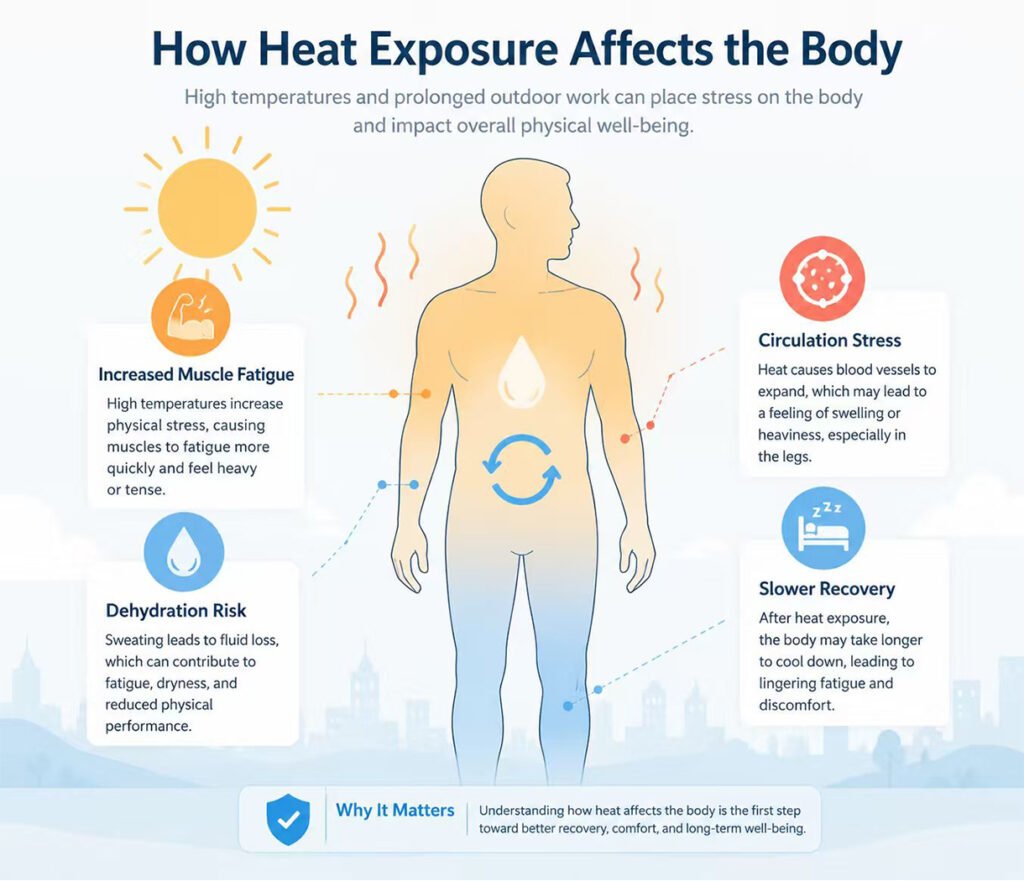
1. How Heat Exposure Affects the Body
1.1 Increased Muscle Fatigue in High Temperatures
When the body works in hot environments for extended periods, muscles often fatigue more quickly. High temperatures increase physical stress and may contribute to muscular heaviness, tension, and reduced endurance. Individuals performing repetitive movements outdoors may especially notice lingering discomfort after work.
1.2 Circulation Stress and Swelling Sensation
Heat exposure may also affect circulation efficiency. Blood vessels expand in response to heat, and prolonged standing or physical activity can increase feelings of swelling or heaviness in the legs and lower body. This sensation often becomes more noticeable after long shifts in direct sunlight.
1.3 Slower Recovery After Outdoor Work
After extended heat exposure, the body may take longer to cool down naturally. Muscle tightness, overall fatigue, and lingering body heat can continue even after physical activity ends. As recovery slows, physical discomfort may carry over into the following day.
2. How CO₂ Cryotherapy Works
2.1 Rapid Cooling Through CO₂ Technology
CO₂ Cryotherapy uses controlled carbon dioxide cooling to rapidly lower skin surface temperature. This cooling effect creates a refreshing recovery response while avoiding prolonged exposure to ice or water immersion. The short application time also makes the therapy practical for individuals with physically demanding schedules.
2.2 Stimulating Circulation and Recovery Response
One of the key functions of CO₂ Cryotherapy is circulation stimulation. After the cooling phase, the body naturally increases blood flow to treated areas. This response helps support oxygen and nutrient delivery to muscles and soft tissues involved in physical activity and heat-related fatigue.
2.3 Supporting Muscle Relaxation and Physical Comfort
Muscle tension commonly develops after working in hot conditions. CO₂ Cryotherapy helps support muscular relaxation by reducing heat buildup and creating a cooling sensation that promotes overall physical comfort. This can be especially beneficial for individuals with repetitive outdoor workloads.
3. Benefits of CO₂ Cryotherapy After Heat Exposure
3.1 Cooling the Body More Efficiently
After prolonged outdoor work, many individuals struggle with lingering body heat and discomfort. CO₂ Cryotherapy provides targeted cooling support that helps the body feel refreshed more quickly than passive cooling alone.
3.2 Reducing Feelings of Muscle Heaviness
Outdoor physical activity often leads to tightness and heaviness in the muscles, especially in the legs, shoulders, and lower back. CO₂ Cryotherapy supports post-activity recovery by helping muscles feel lighter and more relaxed.
3.3 Supporting Faster Daily Recovery
Consistent recovery becomes increasingly important for individuals exposed to heat regularly. By supporting circulation and muscle relaxation, CO₂ Cryotherapy may help improve recovery efficiency between physically demanding workdays.
4. Why Outdoor Workers Increasingly Focus on Recovery Technologies
4.1 Physical Demands Continue Beyond Working Hours
Heat-related fatigue does not always end when the workday finishes. Many individuals continue to experience physical tension, body heaviness, and reduced comfort at home. Recovery-focused technologies are increasingly used to help manage these lingering effects.
4.2 Non-Invasive Recovery Solutions Are Becoming More Popular
Many people seek recovery options that do not require medication or extended downtime. CO₂ Cryotherapy aligns with this trend because it provides fast, non-invasive support for muscle recovery and cooling.
4.3 Recovery Is Becoming Part of Performance Maintenance
Modern recovery strategies are no longer limited to athletes. Outdoor workers and physically active professionals increasingly view recovery as part of maintaining long-term physical performance and comfort.
5. Why CO₂ Cryotherapy Fits Modern Recovery and Wellness Trends
5.1 Fast Sessions for Busy Work Schedules
Individuals working outdoors often have limited recovery time. CO₂ Cryotherapy sessions are typically short, making them easier to integrate into demanding routines without disrupting schedules.
5.2 Supporting Long-Term Physical Comfort
Repeated exposure to heat and physical strain may gradually increase muscular discomfort over time. Recovery-focused cooling therapies help support ongoing physical maintenance and body comfort.
5.3 Combining Cooling and Circulation Support
Unlike traditional cooling methods that only reduce temperature temporarily, CO₂ Cryotherapy combines rapid cooling with circulation stimulation. This dual response helps support both immediate comfort and longer-term recovery processes.
よくあるご質問
CO₂凍結療法とは?
CO₂ Cryotherapy is a non-invasive cooling therapy that uses carbon dioxide-based technology to support muscle recovery, circulation, and physical comfort.
Why does heat exposure increase muscle fatigue?
High temperatures place additional stress on the body, which can contribute to muscle heaviness, tension, and slower recovery.
How does CO₂ Cryotherapy support recovery?
It rapidly cools targeted areas while supporting circulation and muscle relaxation after physical activity or heat exposure.
Can outdoor workers benefit from cooling recovery therapies?
Yes, individuals exposed to prolonged heat and physical workload may use cooling therapies to support daily recovery and comfort.
Why is circulation important after heat exposure?
Healthy circulation helps deliver oxygen and nutrients to muscles and soft tissues involved in recovery processes.
結論
Prolonged heat exposure and outdoor physical activity can place continuous stress on muscles, circulation, and overall body recovery. Over time, lingering heat, muscle heaviness, and physical fatigue may reduce comfort and recovery efficiency. CO₂ Cryotherapy offers a non-invasive recovery approach that combines rapid cooling, circulation support, and muscle relaxation to help the body recover after demanding outdoor conditions. By supporting cooling and recovery processes simultaneously, this technology is increasingly becoming part of modern wellness and physical recovery routines for individuals exposed to high-temperature environments.
参考文献
CO₂ Cryotherapy Recovery Technology
https://www.localcryotherapy.com/
Heat Exposure and Occupational Fatigue Research
https://pubmed.ncbi.nlm.nih.gov
Muscle Recovery and Cooling Therapy Studies
Circulation and Physical Recovery Overview
https://www.ncbi.nlm.nih.gov/pmc
Cold Therapy and Recovery Support Research