Einführung
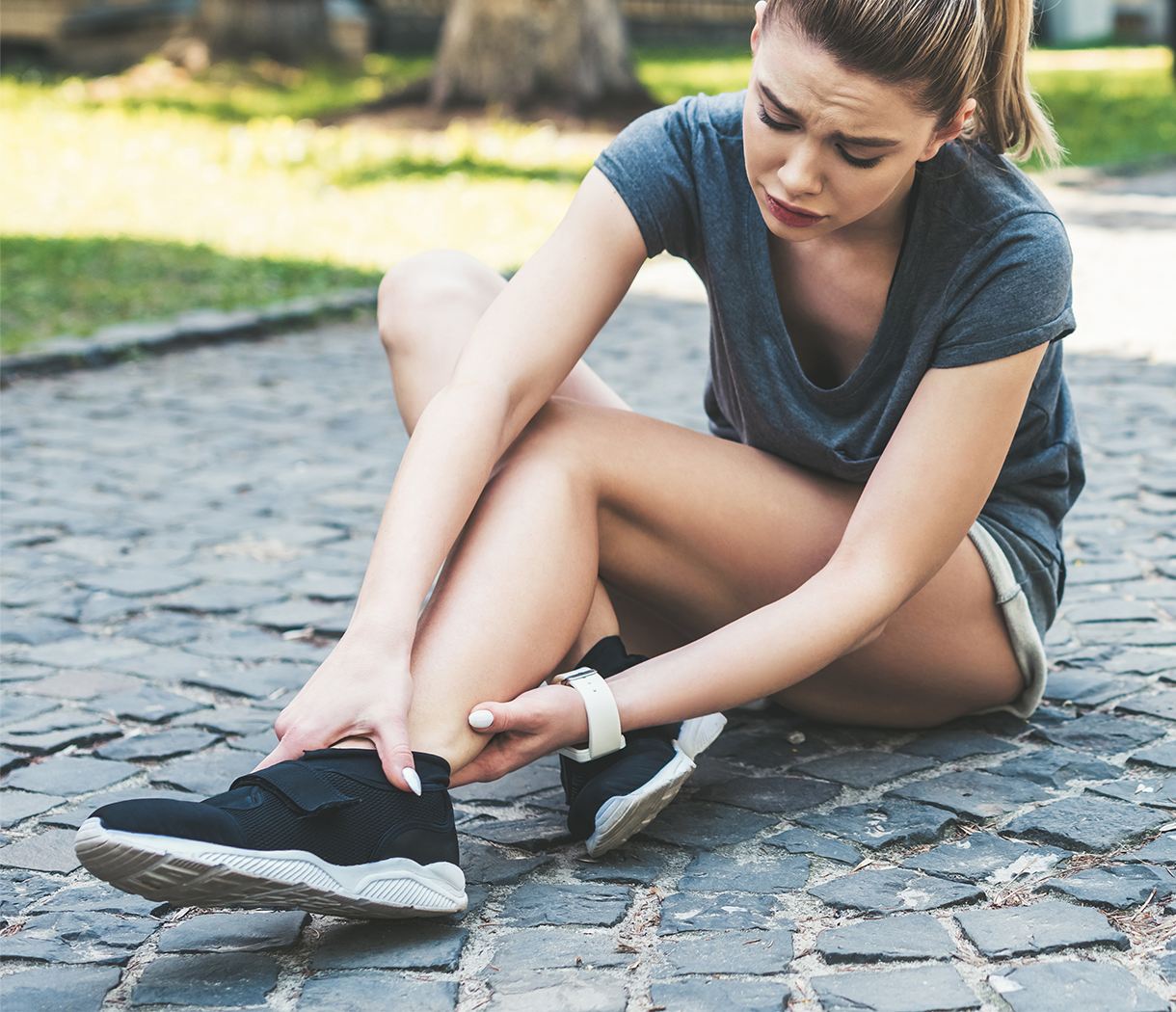
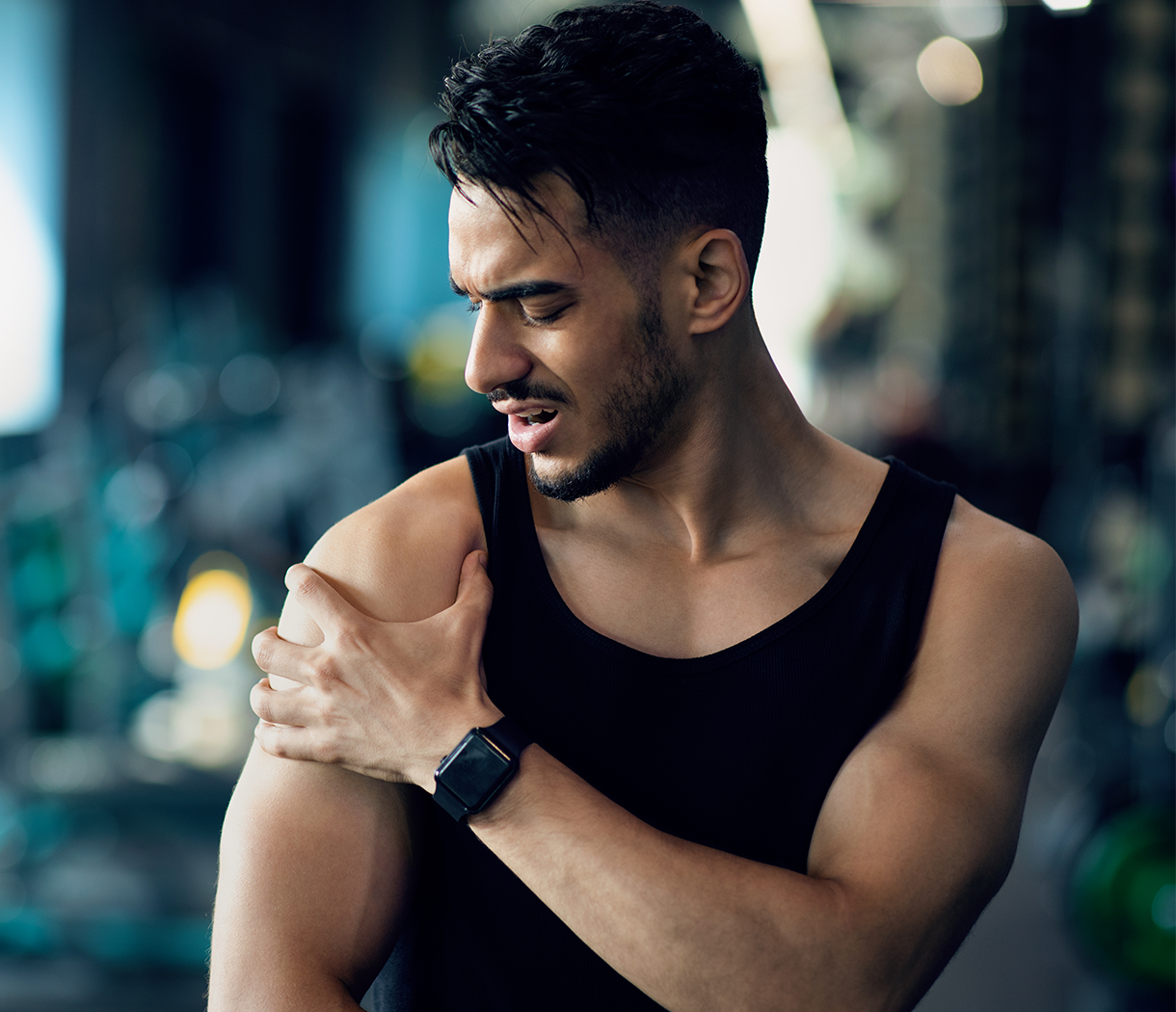
Strength training imposes significant mechanical stress on skeletal muscle fibers, often resulting in delayed onset muscle soreness (DOMS), microstructural damage, and temporary reductions in force production. Although this response is part of normal physiological adaptation, excessive soreness can interfere with training consistency and performance progression. CO₂ cryotherapy has gained attention in muscle recovery research as a localized cold application that may influence vascular response, inflammatory activity, and neuromuscular signaling. Current rehabilitation science continues to explore how temperature-based interventions contribute to recovery by regulating circulation, pain perception, and tissue repair processes.
1. Understanding Muscle Soreness After Strength Training
To evaluate the potential role of CO₂ cryotherapy, it is essential to first understand the biological mechanisms behind post-exercise muscle soreness. DOMS reflects a complex interaction between mechanical stress, inflammatory signaling, and neural adaptation rather than simple fatigue.
1.1 Microtrauma and muscle fiber stress response
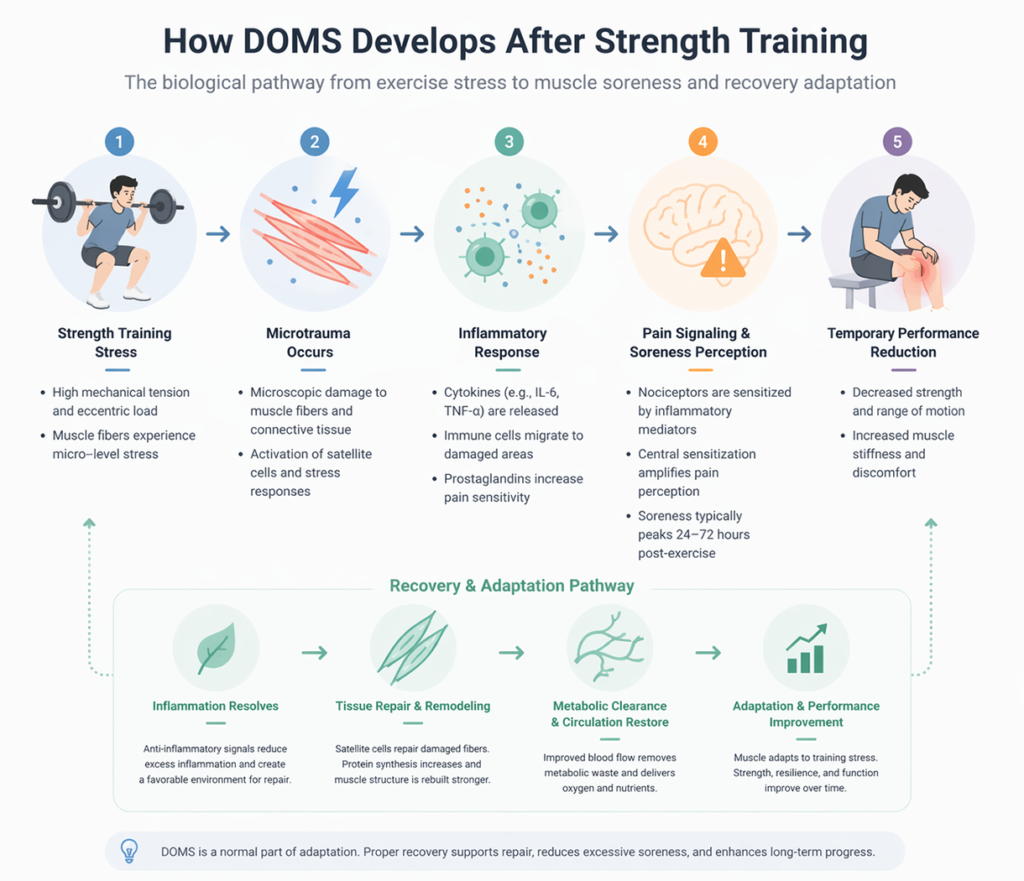
Resistance training creates microscopic disruptions within muscle fibers, particularly in sarcomeres and surrounding connective tissue structures. These microtears activate satellite cells, which initiate tissue repair processes. However, when training intensity exceeds the muscle’s recovery capacity, inflammatory activity increases significantly. Calcium imbalance and oxidative stress further amplify cellular signaling pathways associated with soreness, which typically peaks between 24 and 72 hours after exercise.
1.2 Inflammatory cascade and pain signaling
Following mechanical stress, the body activates a controlled inflammatory response involving cytokines such as interleukin-6 (IL-6) and tumor necrosis factor-alpha (TNF-α). These molecules recruit immune cells to damaged tissue to support repair. At the same time, prostaglandin production increases nociceptor sensitivity, intensifying pain perception. While inflammation plays a necessary role in muscle remodeling, excessive or prolonged activation may delay recovery and extend soreness duration.
1.3 Neuromuscular fatigue and central sensitization
Muscle soreness is not solely a local tissue phenomenon. After intense training, motor unit recruitment efficiency decreases, leading to neuromuscular fatigue. In addition, the central nervous system may amplify pain signals through a process known as central sensitization. This creates a mismatch between actual tissue damage and perceived discomfort, which explains why soreness intensity varies widely between individuals.
2. Biological Basis of Recovery After Resistance Training
Recovery from strength training depends on coordinated physiological processes that restore both structural integrity and functional capacity of muscle tissue.
2.1 Muscle protein synthesis and tissue remodeling
Muscle repair relies on the balance between protein synthesis and degradation. Resistance exercise activates the mTOR signaling pathway, which regulates anabolic processes responsible for muscle hypertrophy. Growth factors such as IGF-1 also contribute to tissue regeneration. However, excessive inflammation or metabolic stress can disrupt this balance, slowing recovery and delaying adaptation.
2.2 Blood flow regulation and metabolic clearance
Efficient recovery requires adequate microcirculation to remove metabolic byproducts such as lactate, hydrogen ions, and reactive oxygen species. After exercise, vasodilation increases nutrient delivery to damaged tissue. If inflammatory processes persist, microvascular function may become impaired, reducing clearance efficiency and prolonging soreness symptoms.
2.3 Role of connective tissue and fascia in recovery
Muscle recovery extends beyond contractile fibers and includes surrounding connective tissue structures such as fascia and tendons. These structures also experience mechanical stress during resistance training. When fascial stiffness develops, it can restrict mobility and contribute to compensatory movement patterns, which may further increase injury risk and delay full recovery.
3. CO₂ Cryotherapy and Its Mechanisms in Recovery Science
CO₂ cryotherapy uses pressurized carbon dioxide gas to deliver rapid, localized cooling to targeted tissue areas. Unlike systemic cold exposure, it focuses on specific muscle regions, making it particularly relevant for post-exercise recovery applications.
3.1 Principle of CO₂-based localized cooling
CO₂ cryotherapy generates rapid temperature reduction through gas expansion, producing an immediate thermal effect on superficial tissues. This causes vasoconstriction during application, followed by reactive vasodilation once exposure ends. The rapid thermal shift influences local metabolic activity without invasive intervention, allowing precise targeting of exercised muscle groups.
3.2 Vascular response and microcirculation effects
Initial vasoconstriction helps limit excessive inflammatory fluid accumulation in early recovery stages. After treatment, reactive hyperemia increases blood flow, which may enhance oxygen delivery and accelerate metabolic waste removal. This alternating vascular response may contribute to reduced stiffness and improved subjective recovery experience following intense exercise.
3.3 Interaction with inflammatory signaling pathways
Cold exposure influences inflammatory signaling by modulating cytokine activity and prostaglandin expression. CO₂ cryotherapy does not eliminate inflammation entirely; instead, it appears to regulate its intensity. This controlled modulation may support the transition from acute inflammatory response to tissue repair phase, which is essential for proper muscle adaptation.
4. Modern Multimodal Recovery Approaches in Sports Science
Modern sports recovery increasingly focuses on integrating multiple physiological interventions rather than relying on a single modality. This approach targets different biological systems involved in post-exercise recovery.
4.1 Cold-based physiological regulation in recovery
Cold exposure plays a significant role in early recovery by influencing vascular tone and nerve conduction velocity. Rapid cooling causes immediate vasoconstriction, reducing local fluid accumulation and limiting inflammatory spread. After the cooling phase, reactive vasodilation improves circulation and may enhance metabolic clearance. In addition, reduced nerve conduction speed temporarily decreases pain signaling, which can improve subjective recovery comfort after intense training.
4.2 Integrated physiological recovery models
Contemporary recovery science emphasizes multi-system approaches that address vascular, neural, and metabolic pathways simultaneously. Cold-based interventions primarily target vascular and inflammatory responses, while other recovery strategies focus on metabolic restoration and neuromuscular function. When applied strategically within training cycles, these combined approaches may support both short-term symptom relief and long-term adaptation processes.
4.3 Evidence-based considerations in recovery planning
Research in exercise physiology indicates that cold-based recovery methods can reduce perceived soreness and improve subjective recovery ratings. However, scientific literature also emphasizes the importance of balancing inflammation control with adaptation signaling. Excessive suppression of inflammatory processes may interfere with long-term training adaptations, highlighting the need for individualized recovery strategies based on training load and physiological response.
5. Practical Implications for Strength Training Recovery
Understanding the underlying biological mechanisms of soreness and recovery provides a clearer framework for evaluating the role of CO₂ cryotherapy in training systems.
5.1 Balancing recovery and adaptation
Effective recovery strategies must maintain a balance between reducing excessive inflammation and preserving adaptive signaling pathways. While inflammation contributes to muscle repair and growth, uncontrolled or prolonged inflammation can delay recovery. CO₂ cryotherapy may help regulate this balance by modulating inflammatory intensity without fully inhibiting physiological adaptation.
5.2 Integration into structured training programs
In periodized training systems, recovery interventions play a critical role in maintaining performance consistency. Localized cryotherapy may be applied during high-intensity training phases to reduce perceived soreness and improve readiness for subsequent sessions. This allows athletes to sustain training volume while managing physiological stress more effectively.
5.3 Individual variability in recovery response
Recovery responses vary significantly among individuals due to differences in genetics, training history, metabolic efficiency, and muscle fiber composition. Some individuals may experience noticeable reductions in soreness following cryotherapy, while others may show minimal response. This variability highlights the importance of personalized recovery strategies rather than standardized protocols.
FAQ
Does CO₂ cryotherapy immediately reduce muscle soreness?
It may reduce perceived soreness, but results vary between individuals.
Is muscle soreness necessary for muscle growth?
No. Muscle growth depends more on training stimulus and recovery balance than soreness intensity.
Can cryotherapy replace rest days?
No. Recovery interventions support rest but cannot replace physiological adaptation time.
How does CO₂ cryotherapy differ from traditional ice application?
It provides rapid, targeted cooling with controlled gas delivery rather than passive surface cooling.
Schlussfolgerung
Muscle soreness following strength training results from a complex interaction between microtrauma, inflammatory signaling, and neuromuscular adaptation. While this process is essential for long-term muscle development, excessive soreness can negatively impact training consistency and performance progression. CO₂ cryotherapy offers a localized cold-based intervention that influences vascular response and inflammatory regulation. When integrated into a broader recovery framework, it may contribute to improved recovery perception and training sustainability. As sports science continues to evolve, recovery strategies increasingly emphasize individualized, mechanism-based approaches that support both performance and long-term tissue resilience.
Referenzen
Cheung K, Hume P, Maxwell L. “Delayed Onset Muscle Soreness: Treatment Strategies and Performance Factors.” Sports Medicine
https://pubmed.ncbi.nlm.nih.gov/12617692
Peake JM et al. “Inflammation and Muscle Recovery After Exercise.” Frontiers in Physiology
https://pubmed.ncbi.nlm.nih.gov/28567054
Dupuy O et al. “Effect of Cold Water Immersion on Recovery After Exercise.” British Journal of Sports Medicine
https://pubmed.ncbi.nlm.nih.gov/24343588
Wilcock IM et al. “Cryotherapy in Sport: A Review of Evidence.” Journal of Sports Sciences
https://pubmed.ncbi.nlm.nih.gov/16611573
Bishop D. “Fatigue During Intermittent Sprint Exercise.” Sports Medicine