Einführung
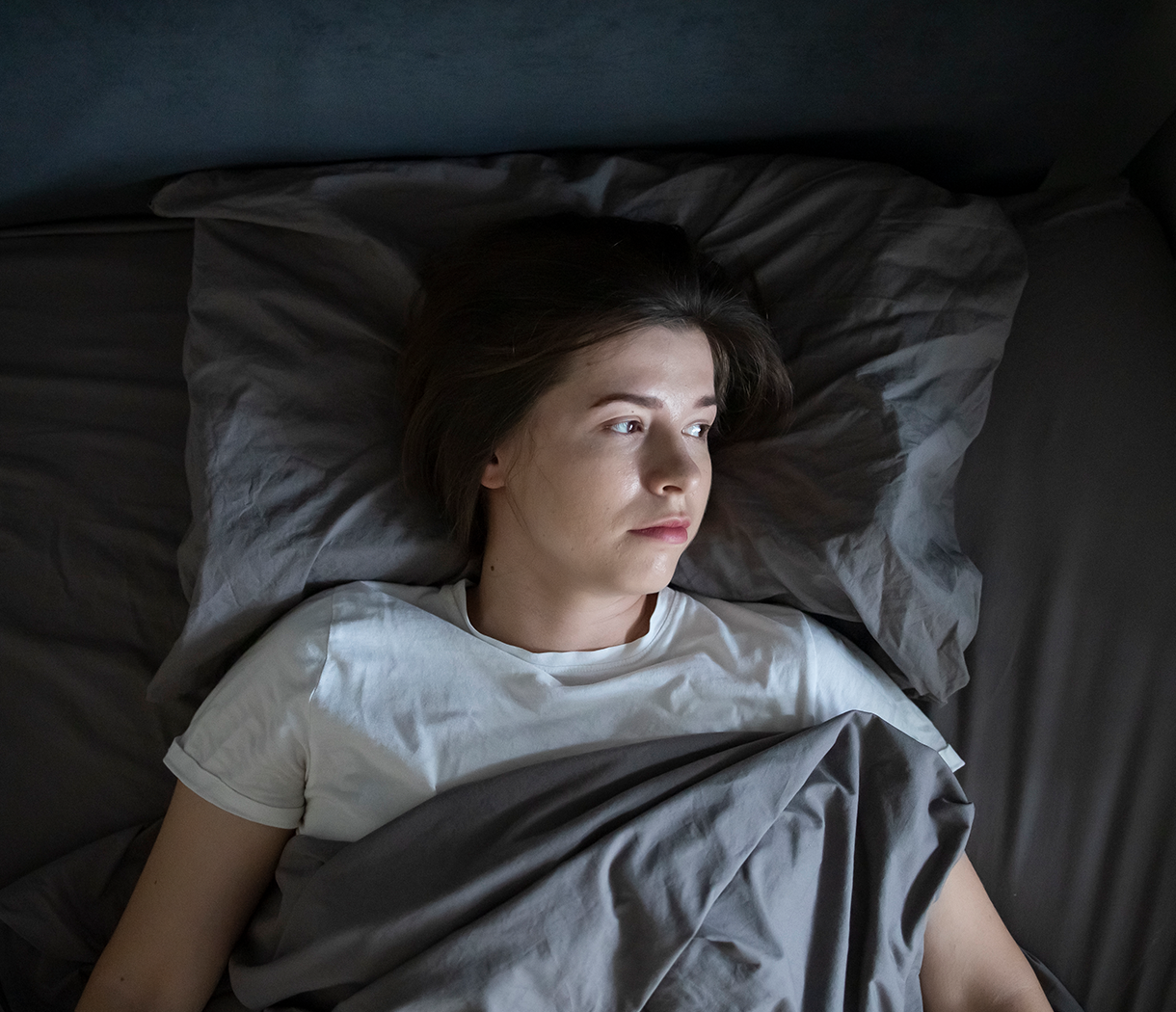
Evening is often when muscle and joint discomfort becomes more noticeable. After a long day of work, exercise, or repetitive movement, the body may still feel tired. Lower back soreness, tight shoulders, aching knees, and stiff hips can make it hard to relax at night. Sleep and body discomfort affect each other. So managing evening discomfort can be a key part of recovery. Practitioners can incorporate CO₂ cryotherapy, a localized cold therapy approach, into an evening recovery routine. By directing pressurized CO₂ at a targeted area, this technology cools quickly. No full-body cold plunge or long ice sessions are needed. For everyday muscle or joint discomfort, localized CO₂ cryotherapy may be worth considering. Use it alongside movement, rest, and healthy habits. It is not a treatment for insomnia. It does not replace medical evaluation for persistent, severe, or unusual pain.
1. Why Muscle and Joint Discomfort Can Feel Worse at Night
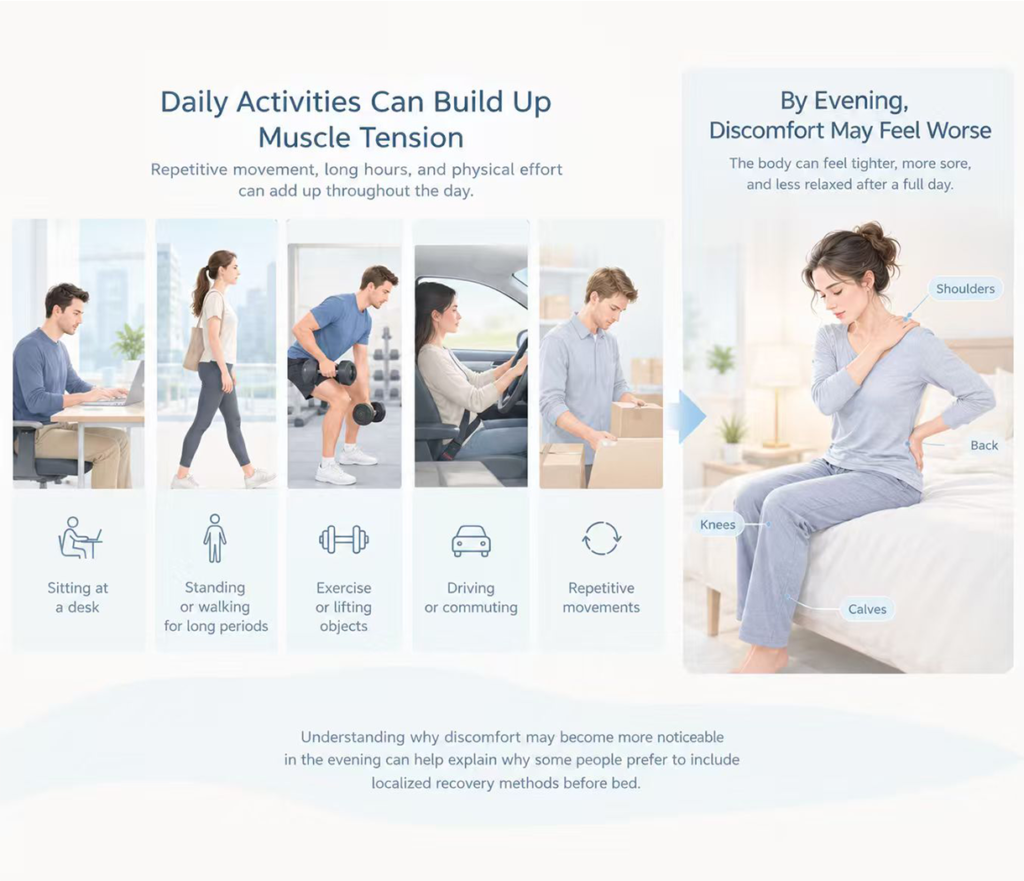
By the end of the day, the body has often accumulated the effects of hours of physical activity. Understanding why discomfort may become more noticeable in the evening can help explain why some people prefer to include localized recovery methods before bed.
1.1 Daily Activity Can Build Up Muscle Tension
Standing for long periods, sitting at a desk, exercising, lifting objects, commuting, or performing repetitive movements can place repeated demands on muscles and joints. Even when no specific injury occurs, the accumulated workload may leave certain areas feeling tight or sore by nighttime.
For example, someone who spends most of the day at a computer may notice neck and shoulder tension in the evening, while someone who works on their feet may experience discomfort in the calves, knees, feet, or lower back. Exercise can create another pattern, with muscle soreness becoming more noticeable several hours after physical activity.
Cold therapy is commonly used as one approach for temporary pain relief and management of soreness. Evidence from a systematic review and meta-analysis indicates that cold therapy can reduce pain associated with delayed-onset muscle soreness during the first 24 hours after exercise, although the effects depend on the context and type of intervention.
1.2 Pain and Sleep Can Influence Each Other
Evening discomfort matters because nighttime is when the body transitions from daily activity toward rest. A sore back, uncomfortable knee, or tight shoulder may make it harder to find a comfortable position, while repeated sleep disruption can make daytime discomfort feel more difficult to manage.
Research examining the relationship between sleep problems and chronic musculoskeletal pain has found associations in both directions. This does not mean that every episode of nighttime soreness causes a sleep disorder, but it does highlight why managing physical comfort can be a useful part of an overall nighttime routine.
The goal of an evening recovery routine should therefore be practical: reduce unnecessary discomfort, allow the body to relax, and create better conditions for rest without treating temporary soreness as a medical condition.
2. Understanding CO₂ Cryotherapy Before Bed
Once the reason for evening recovery is clear, the next question is how localized CO₂ cryotherapy differs from more familiar cold therapy methods.
2.1 What Is Localized CO₂ Cryotherapy?
CO₂ cryotherapy uses pressurized carbon dioxide gas to rapidly cool a targeted area of the body. Unlike an ice bath, the approach does not require the user to immerse the entire body in cold water. Instead, the cooling is directed toward a specific region such as a shoulder, knee, lower back, calf, or other area according to the treatment protocol.
Local Cryotherapy describes its system as using high-pressure CO₂ gas at approximately -78°C to create rapid thermal cooling at the targeted area. The company’s product information also emphasizes short, localized application rather than prolonged whole-body exposure.
This targeted format can be relevant to evening recovery because nighttime discomfort is often localized. Someone may not need whole-body cooling after a long day; the main concern may simply be a tight shoulder, sore knee, tired calf, or uncomfortable lower back.
2.2 How Cold Therapy Can Affect Pain Perception
Cold exposure can temporarily reduce pain perception by affecting sensory nerve activity and local blood vessel responses. Practitioners commonly use traditional cold therapy for minor injuries and musculoskeletal discomfort, although the appropriate application depends on the condition and type of cold therapy they use.
CO₂ cryotherapy takes a different technological approach from a conventional ice pack. Instead of placing a frozen object directly against the skin for an extended period, the system delivers rapidly expanding CO₂ gas through an applicator to cool a targeted area.
This distinction is important because the term “cold therapy” covers many different techniques. Patients should not automatically treat ice packs, cold-water immersion, whole-body cryotherapy, and localized CO₂ cryotherapy as identical interventions.
3. Where Evening CO₂ Cryotherapy May Fit Into Recovery
The usefulness of an evening routine often depends on identifying the specific areas that feel uncomfortable rather than treating the entire body without a clear purpose.
3.1 Lower Back and Hip Discomfort
The lower back and hips can become uncomfortable after prolonged sitting, driving, standing, lifting, or physical work. By the end of the day, this discomfort may become more noticeable when the person finally stops moving and begins preparing for bed.
Localized cold therapy may be considered as one component of a recovery routine for temporary musculoskeletal discomfort. The goal is not to eliminate every sensation of soreness but to support comfort after a physically demanding day.
For people experiencing occasional lower back discomfort, other strategies can remain equally important. Gentle movement, appropriate sleep positioning, regular activity, and avoiding prolonged static postures may all contribute to better overall back management.
3.2 Knees and Other Joints
Knees can experience daily stress from walking, stairs, squatting, running, strength training, and physically demanding work. Evening is often when a person notices that a particular joint feels tired or uncomfortable after repeated use.
Practitioners commonly use cold therapy to temporarily reduce pain and swelling in certain situations. They may therefore consider localized CO₂ cryotherapy as part of a targeted recovery strategy when the goal is to address a specific area.
However, joint pain has many possible causes, and patients should not assume recurring or worsening symptoms to be ordinary soreness.
3.3 Shoulders, Neck, and Upper Back
Shoulder and neck discomfort can develop after computer work, driving, manual tasks, repetitive arm movements, or long periods of maintaining one position. The upper back may also feel tense after a demanding day.
For some people, an evening recovery routine can focus on reducing the feeling of localized tightness before moving into normal nighttime activities. Cold therapy is one possible option, although some people may find gentle movement or heat more comfortable depending on the nature of their symptoms.
4. Creating a Practical Evening Recovery Routine
CO₂ cryotherapy does not need to stand alone. A more practical approach is to place localized cooling within a simple sequence that prepares the body for rest without making the routine unnecessarily complicated.
4.1 Start by Identifying the Main Area of Discomfort
Before using any recovery method, it helps to identify where the discomfort is coming from and what happened during the day. A long work shift may leave the feet and lower back tired, while a strength-training session may create soreness around specific muscle groups.
This simple assessment helps prevent unnecessary treatment of areas that do not actually feel uncomfortable. It also makes the recovery routine more targeted. Manufacturers design localized CO₂ cryotherapy around this concept of directing cooling toward a selected body area rather than applying the same treatment to the entire body.
If pain is sharp, severe, associated with significant swelling, accompanied by weakness or numbness, or clearly different from ordinary muscle soreness, the priority should be appropriate medical assessment rather than simply adding another recovery method.
4.2 Use Cooling as Part of a Broader Nighttime Routine
A useful evening routine can include several simple steps: finishing demanding physical activity, allowing the body to settle, performing gentle movement if appropriate, using a targeted recovery method, and then transitioning into normal bedtime activities.
CO₂ cryotherapy can fit into this routine as a localized cooling option. The exact application time and technique should follow the device’s instructions and the protocol provided by a qualified professional rather than assuming that longer exposure is automatically better.
This point is especially important with very cold therapies. Cold exposure can damage skin when used improperly or for too long, which is why treatment parameters and safe application practices matter.
4.3 Allow Time Between Treatment and Sleep
Using a recovery method before bed does not mean the treatment should continue while a person is sleeping. The purpose is to complete the targeted recovery session and then allow the body to return to a comfortable resting state.
People should never fall asleep with an ice pack or other cold device left on the body. Prolonged cold exposure can increase the risk of skin or nerve injury. For CO₂ cryotherapy, users should follow the specific operating instructions for the equipment and complete the treatment before going to sleep.
5. When Evening Cold Therapy May and May Not Be Appropriate
The decision to use localized cold therapy before bed depends on the type of discomfort, the treatment method, and the individual’s overall situation. It should be viewed as one recovery option rather than a universal nighttime solution.
5.1 Everyday Muscle Soreness and Physical Fatigue
For people who experience temporary soreness after exercise, standing, walking, driving, or physical work, practitioners may consider localized cold therapy as part of a broader recovery routine. Research on cryotherapy and musculoskeletal conditions suggests that cold-based interventions can influence pain and other short-term outcomes, although the strength of evidence varies across conditions and treatment protocols.
The practical objective is therefore modest: support comfort and recovery after daily physical demands. It is not necessary to interpret every sore muscle as an injury, nor is it necessary to use an aggressive treatment whenever the body feels tired.
5.2 Persistent or Unusual Nighttime Pain
Nighttime pain that repeatedly interrupts sleep deserves more attention than ordinary end-of-day soreness. Pain that continues for a long period, becomes progressively worse, follows a significant injury, or occurs together with weakness, numbness, fever, unexplained swelling, or other unusual symptoms may require professional evaluation.
Cold therapy can sometimes make discomfort feel more manageable, but temporary symptom relief does not explain why the pain is occurring. Using CO₂ cryotherapy should therefore not delay appropriate diagnosis when symptoms persist or change.
5.3 Keep Expectations Realistic
One of the most important points about CO₂ cryotherapy before bed is that practitioners should not market it as a sleep treatment. The connection between pain and sleep is real, but reducing evening discomfort does not guarantee better sleep.
Likewise, evidence from one form of cryotherapy should not automatically apply to every CO₂ treatment protocol. Research varies in terms of temperature, exposure time, treatment area, frequency, and patient population. For this reason, practitioners best present localized CO₂ cryotherapy as a targeted recovery option that may support comfort, rather than as a guaranteed solution for nighttime pain or sleep problems.
Frequently Asked Questions
Can I use CO₂ cryotherapy before bed?
Practitioners may incorporate CO₂ cryotherapy into an evening recovery routine when appropriate for the targeted area and when used according to the device’s instructions. Patients should complete the treatment before sleep rather than use it continuously overnight.
Can CO₂ cryotherapy help with nighttime muscle soreness?
It may help manage temporary muscle discomfort for some people. However, individual responses vary, and cold therapy should be considered one part of a broader recovery routine.
Can CO₂ cryotherapy improve sleep?
CO₂ cryotherapy should not be presented as a direct treatment for insomnia. If evening discomfort is interfering with sleep, addressing the underlying discomfort may be useful, but persistent sleep problems should receive appropriate attention.
How long before bed should CO₂ cryotherapy be used?
There is no universal timing rule for every person or device. The appropriate treatment duration and timing should follow the equipment’s instructions and the protocol used by the treating professional.
Can I sleep with a cold therapy device on?
No. A cold pack or cold therapy device should not be left on the body while sleeping. Prolonged cold exposure can increase the risk of skin or nerve injury.
Which areas can be targeted with localized CO₂ cryotherapy?
Depending on the device and treatment protocol, practitioners may direct localized cooling toward areas such as the lower back, shoulders, knees, hips, calves, and other regions experiencing temporary discomfort.
Is CO₂ cryotherapy the same as an ice pack?
No. Both use cooling, but they use different delivery methods. An ice pack provides sustained contact cooling, while localized CO₂ cryotherapy uses pressurized carbon dioxide gas to rapidly cool a targeted area.
When should nighttime pain be evaluated by a professional?
Persistent, severe, worsening, or unexplained pain should not be managed only with home or recovery therapies. Symptoms such as significant weakness, numbness, major swelling, or other unusual changes also warrant appropriate medical evaluation.
Schlussfolgerung
Evening muscle and joint discomfort can develop after a long day of exercise, work, standing, sitting, driving, or repetitive movement. Because persistent pain and sleep problems can influence each other, creating a practical nighttime recovery routine may help people manage ordinary physical discomfort while transitioning from daily activity to rest.
CO₂ cryotherapy provides a localized cold therapy approach that uses pressurized carbon dioxide to rapidly cool a targeted area. For people considering CO₂ cryotherapy before bed, the most practical approach is to view it as one potential recovery option rather than a sleep treatment. When used according to an appropriate protocol, it may support comfort while remaining part of a broader routine that includes movement, rest, comfortable positioning, and attention to persistent or unusual symptoms.
Referenzen
The bidirectional relationship between sleep problems and chronic musculoskeletal pain: a systematic review with meta-analysis
https://pubmed.ncbi.nlm.nih.gov/38809241
Heat and cold therapy reduce pain in patients with delayed onset muscle soreness: A systematic review and meta-analysis of 32 randomized controlled trials
https://pubmed.ncbi.nlm.nih.gov/33493991
Effectiveness of cryotherapy on pain intensity, range of motion, swelling and function in the postoperative care of musculoskeletal disorders
https://pubmed.ncbi.nlm.nih.gov/41047148
Neck pain or spasms – self care
https://www.medlineplus.gov/ency/patientinstructions/000802.htm
Local Cryotherapy – CO₂ Cryotherapy Technology